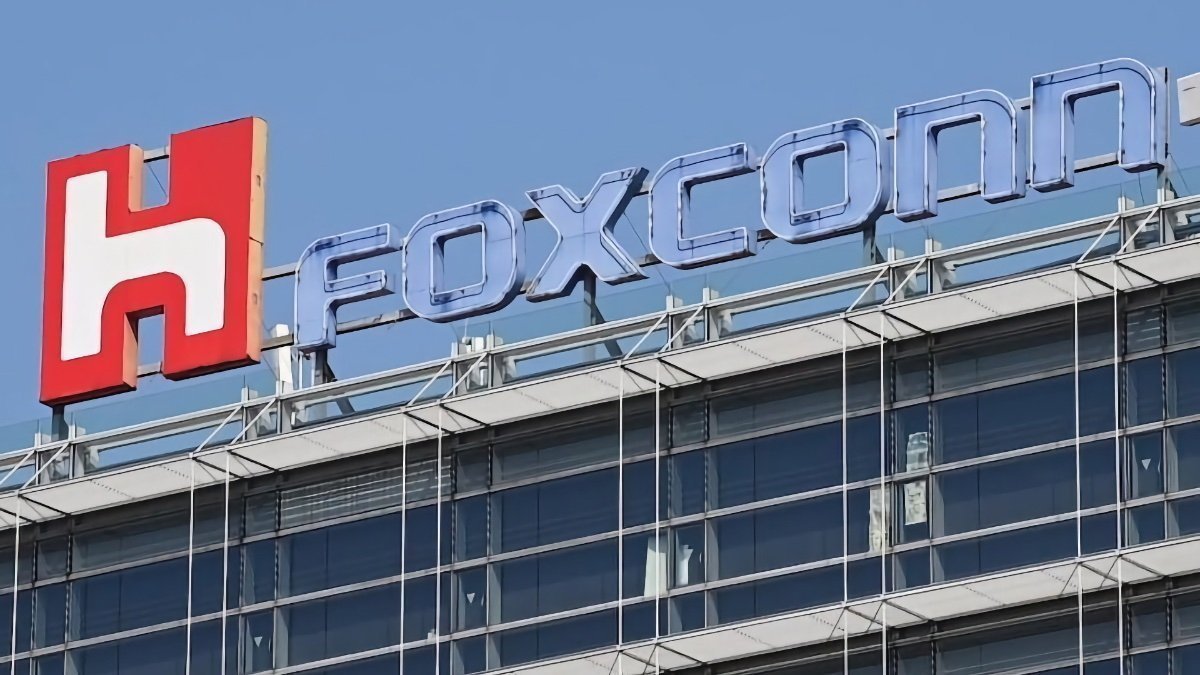
Foxconn is investing $174 million into a new facility in Louisville, Kentucky, but nothing points to it becoming part of Apple's supply chain.
Apple supply chain partner Foxconn is making moves to expand its footprint in the United States again. This time, it's building up its operations in Kentucky.
Announcements from Louisville Mayor Craig Greenberg and Kentucky Governor Andy Beshear confirmed that Foxconn will be opening "it's first U.S. manufacturing operation" in Louisville. The investment, which is claimed to be worth about $174 million, will potentially create 180 new jobs in the region.
It will involve a 350,000-square-foot warehouse, located on Randy Coe Lane, as part of a 23-acre property. The existing warehouse will be refitted to serve as a factory, with permits uncovered by Louisville Business First revealing that the upgrades will cost Foxconn $62.5 million in two phases.
The first phase, which will cost $10 million, will deal with the installation of new concrete foundations to handle heavy manufacturing equipment and interior-only changes, the permits state. Phase 2 will cost a further $52.5 million and will involve the final build-out and installation of equipment.
Foxconn's upgrades also seemingly have a quick turnaround time. The facility is expected to start operations in the third quarter of 2026.
While Foxconn will be footing most of the bill, there are some incentives in place from the state to assist with its creation. This includes a 10-year incentive agreement from the Kentucky Economic Development Finance Authority valued at up to $3.4 million, as well as a further $600,000 in tax incentives.
In announcing the facility, Mayor Greenberg said the investment will bring "good-paying jobs, new opportunities, and lasting economic growth to our community." Governor Beshear expressed he expects there to be "years of success" for the facility.
Foxconn USA CEO Ben Liaw declared, "This is more than a new factory - it's a new chapter in American manufacturing."
Unlikely Apple production
While important for Louisville, the announcement does still leave out some details about what the factory will be used for. There are mentions of it manufacturing electronics, but not what kind will be made.
Of course, given Foxconn's general sense of discretion for its clients, as well as Apple's historic secrecy, it would decline to say who the factory is intended for.
Apple is a long-time partner of Foxconn, so immediate thoughts would turn to its product catalog. But, the relatively small scale and size of investment doesn't really point to it being for some of Apple's major products.
At Apple's scale of production, there's no way it can be for something like an iPhone or iPad. Add in that Apple would have to secure multiple sizable suppliers in the area, and that rules out most of the biggest items in Apple's catalog.
It could be used for lines with lower sales volumes, but again, there would be a need to establish a supply chain that meets Apple's exacting standards.
The chance of this being an Apple-centric facility is very slim, based on its size and Apple's existing supply chain sprawl.
Since Foxconn is a contract manufacturer for many big names in tech, there are a lot of potential clients that could take advantage of such an operation. There's every chance it will be used for one of Foxconn's other partners.
A further clue that this may not be Apple are claims that the facility will use AI and robotics in "all phases of production," including design and assembly.
Apple certainly has expressed a need for manufacturers to invest in automation, and the use of robotics would certainly help meet this goal. There have also been claims from U.S. Commerce Secretary Howard Lutnick that Apple was waiting on the right "robotic arms" to bring manufacturing to the United States.
However, the description that AI will be used in design at the facility rubs against Apple's typical manufacturing processes. With it keen to work on its own designs and bring elements in-house, it's extremely unlikely for Apple to then allow Foxconn to make designs for its products using different AI.
Apple may want to get U.S. manufacturing up and running, but it will be a monumental effort. This doesn't seem like it.
A smaller facility than expected
The creation of a new factory in Kentucky for Foxconn's to-be-determined use is always important. But this is a considerable step down compared to one previous effort by the company.
Long-time Apple observers will remember the 2018 plan to build a manufacturing plant in Wisconsin. The facility in Mount Pleasant, Racine County was intended to create 13,000 jobs in a 20 million-square-foot facility, with a pledge from Foxconn to spend $10 billion on the project.
It was also one that tempted Foxconn thanks to a massive benefits package. That initial deal included a total of $3 billion in state income tax credits and a sales tax exemption, and $764 million from the town and county.
By contrast, the Kentucky facility is a mere fraction of the expense for Foxconn, and proportionately less expensive for the state to incentivize.
Years later, it was determined that the plant was going to be smaller in scale than initially promised, and was also hit by construction delays and tax subsidy rejections due to missed targets.
Ultimately, the Wisconsin project failed to live up to the expectations that it would be a major part of Apple's turn to U.S. manufacturing.
While not as large as the spectacle in Wisconsin, the Kentucky project at least stands a better chance of actually achieving its goals, thanks to its considerably smaller scale.