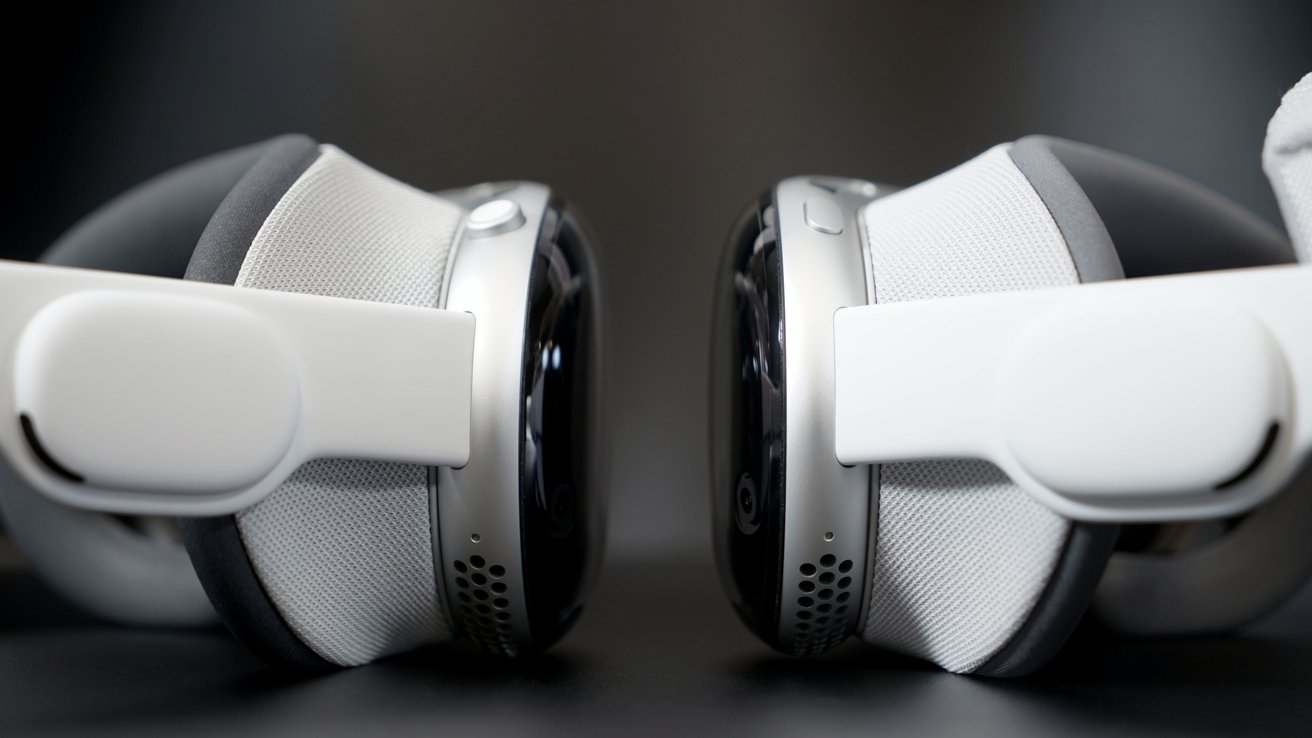
A new report on Apple Vision Pro filled with old data suggests the headset is a "rare failure" for Apple, that is, if you consider more than $157 million in revenue in a single quarter a failure.
Apple Vision Pro launched in February 2024 with a flashy, if heavy, exterior and exorbitant price. After a year of slow updates, minimal software support, and few native experiences, Apple managed to ship around 500,000 units in the first year.
According to a report from The Financial Times, Apple is struggling to make Apple Vision Pro take off, and cuts in production and marketing help signify that. It sources multiple reports, like production cuts in 2024 and an IDC estimate on holiday sales to reach its conclusion.
The report lambasts Apple for allegedly only selling 45,000 Apple Vision Pro units in the crucial Christmas quarter of 2025. That's one way to look at more than $157,500,000 in revenue, which would require Meta to sell an average of 425,675 Quest units to make up.
That's about a quarter of the estimated Q4 Meta Quest revenue. Meta owns the VR headset market, even as it declines, yet Apple's "too-expensive, too-heavy, under-featured" headset generated an estimated quarter of Meta's revenue in the same timeframe.
The entirety of Meta Reality Labs generated $1.08 billion in revenue in Q4 2025. Apple's "failure" generated more than 1/10 that with a single unit priced at 10x the competition, with less than two years on the market.
This math is considering the base price Apple Vision Pro with no upgrades. Users purchasing this device tend to add more storage more often than they would with an iPhone purchase, which would push the total much higher.
Also note that Meta's entire Meta Reality Labs income considers other things like software, while our math for Apple Vision Pro revenue does not. So, in total, Apple Vision Pro could come close to 20% of the total revenue for a single quarter of Meta Reality Labs — yet that's still deemed a failure.
Even if we disregard this napkin math performed with various industry estimates, it doesn't change one simple fact — no one except Apple knows its success metrics for Apple Vision Pro. Regardless of how much people report it as a failure, there's no way of knowing how Apple has classified the product.
Sure, when you're used to discussing sales in millions of units across a given quarter, tens of thousands will sound abysmal. However, framing can make anything look bad if you give it the right angle.
Making sense of Apple Vision Pro numbers
The report paints Apple Vision Pro as a failure for multiple reasons, one of which being a gambit to diversify revenue away from iPhone.
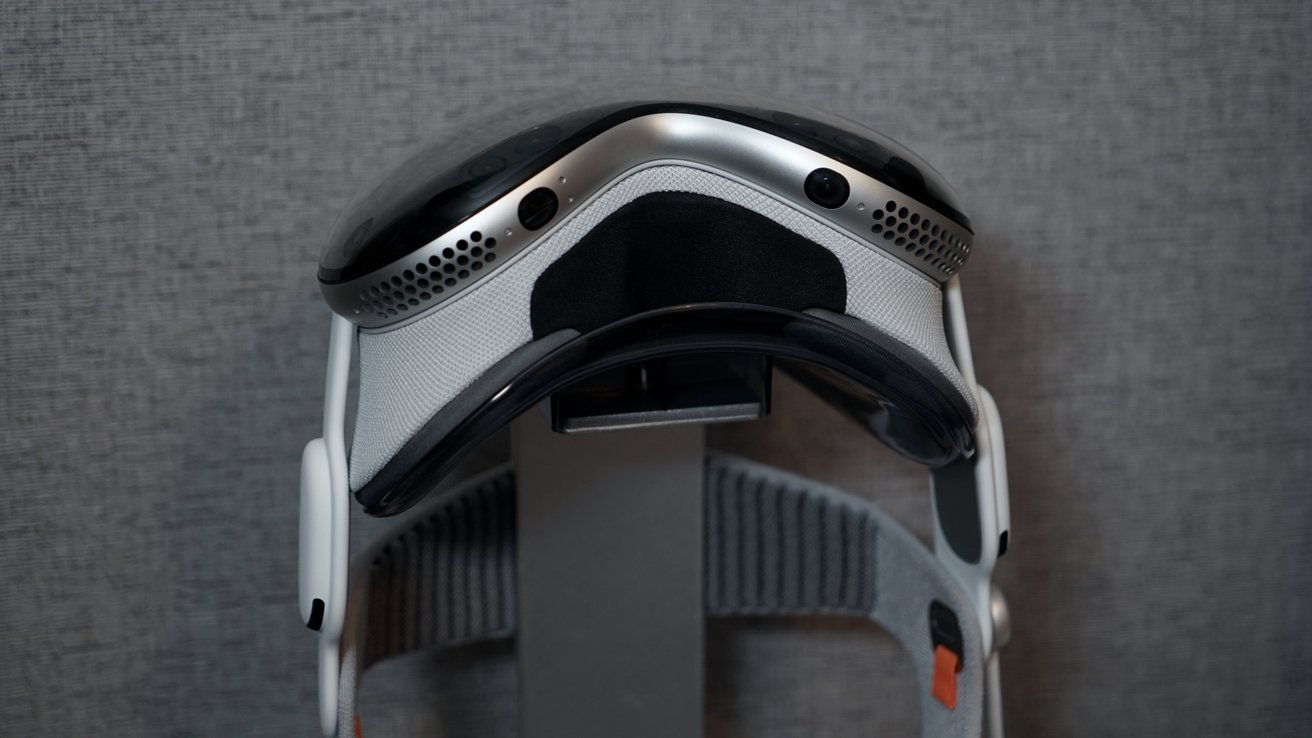
Apple Vision Pro is only the beginning
We've all heard this analyst bit before, "Apple is too reliant on iPhone," but I thought that refrain had died out in the past decade. Apple is no longer so reliant on iPhone that it is seen as a weakness, especially with constantly growing services revenue, so Apple Vision Pro has little to do with diversifying income.
If there was ever a point to Apple Vision Pro, the company itself painted a very clear picture — it is a vision of the future of computing. Apple's first entry into spatial computing was meant to be an "early adopter" product, and its price reflects that.
Apple Vision Pro was never meant to be mass market, at least not in this first iteration. That sentiment was made clearer by the M5 release in 2025.
Sure, share a report about Luxshare stopping Apple Vision Pro production by the start of 2025, but maybe mention that Apple has shifted Apple Vision Pro production to Vietnam while you're at it. Apple knew from the get go that it would be tough to manufacture, let alone sell, the pricey headset — even Sony had difficulty promising enough display glass to make 400,000 units a year.
By the October 2025 M5 refresh, Apple might have reached around 1 million units sold total, with many going to enterprise customers. Apple likely reached a set inventory goal in early 2025 that made it ramp down production, knowing it was only going to sell so many of the expensive headset.
Add that to the fact that production of the M5 model was going to occur in Vietnam, and it makes sense why Luxshare was told to shut down production entirely in early 2025. While we'll never know exactly how much Apple Vision Pro with M2 inventory is still out there, it seems Apple sold most of what it made for the first iteration.
There is also only so much addressable market, especially for such an expensive headset. However, in spite of that, Apple managed to move an additional 45,000 units after the M5 launch.
As I said in my review, most people didn't need to upgrade, so there is a good chance many of these units are new buyers alongside enterprise upgrades. There is no way of knowing how many sales Apple expected for this updated model, so assigning a pass/fail grade seems arbitrary and useless.
Apple's Vision platform is only just beginning to take shape
Regardless of how you might feel about Apple Vision Pro, it needed to ship. The VR headset market has always been a niche one, but the future of the technology as an AR overlay on the world is clear.
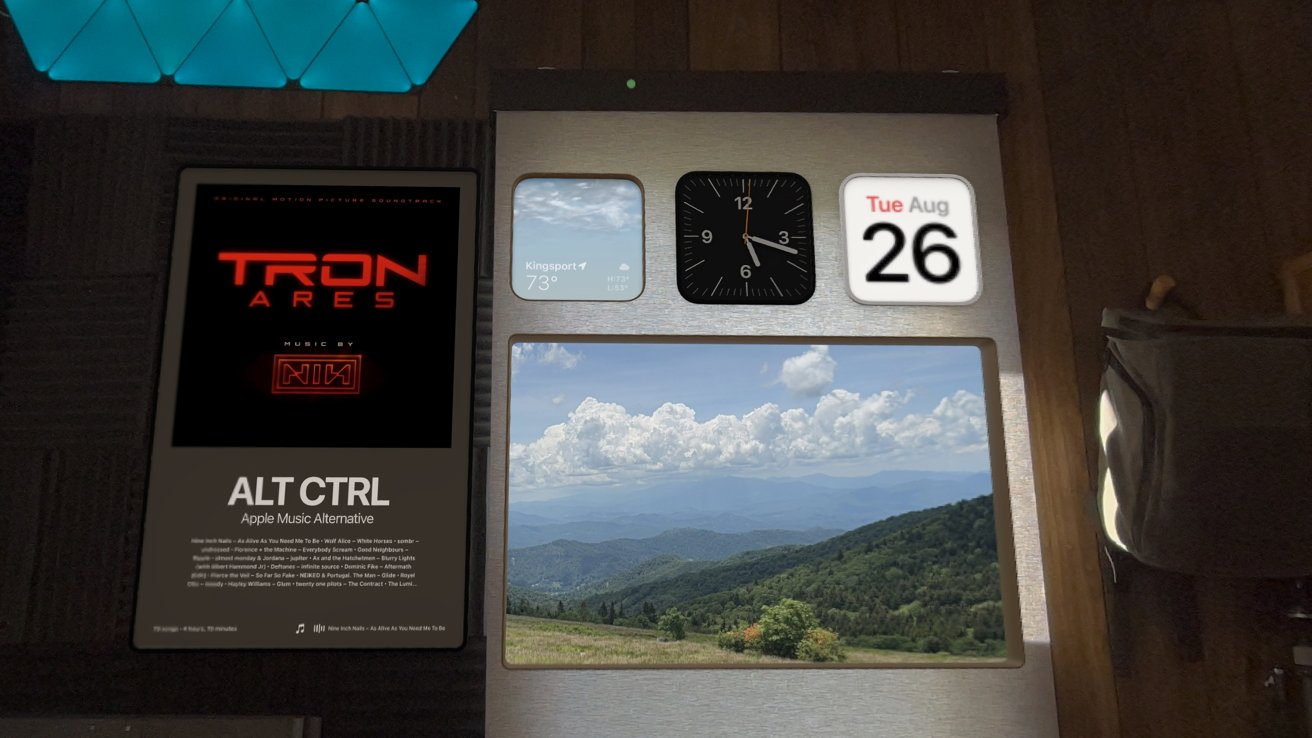
Spatial computing has a future, and Apple Vision Pro is the foundation
Apple could only develop so much behind closed doors. Also, Apple's influence on the market has already shown up with Android XR and Meta software taking on visionOS styles, interaction paradigms, and features.
The Apple Vision Pro was never going to revolutionize the market. It acts as a starting point, targeted at a niche consumer base with deep pockets.
The work done with Apple Vision Pro and visionOS has no doubt informed Apple on how it will handle future projects. The entire concept of Liquid Glass, which is now part of every OS 26 release, started with visionOS.
The ultimate future where true AR glasses running visionOS is achieved can only be reached by starting somewhere. In the meantime, expect Apple Vision Pro to help inform other projects, like the upcoming Apple AI glasses (the Meta Ray-Ban competitor).
Just like when Apple called the iPad the future of computing more than a decade ago, Apple Vision Pro represents a similar starting point. If Apple's goal was to simply get the hardware and operating system out in the wild, then it has done so.
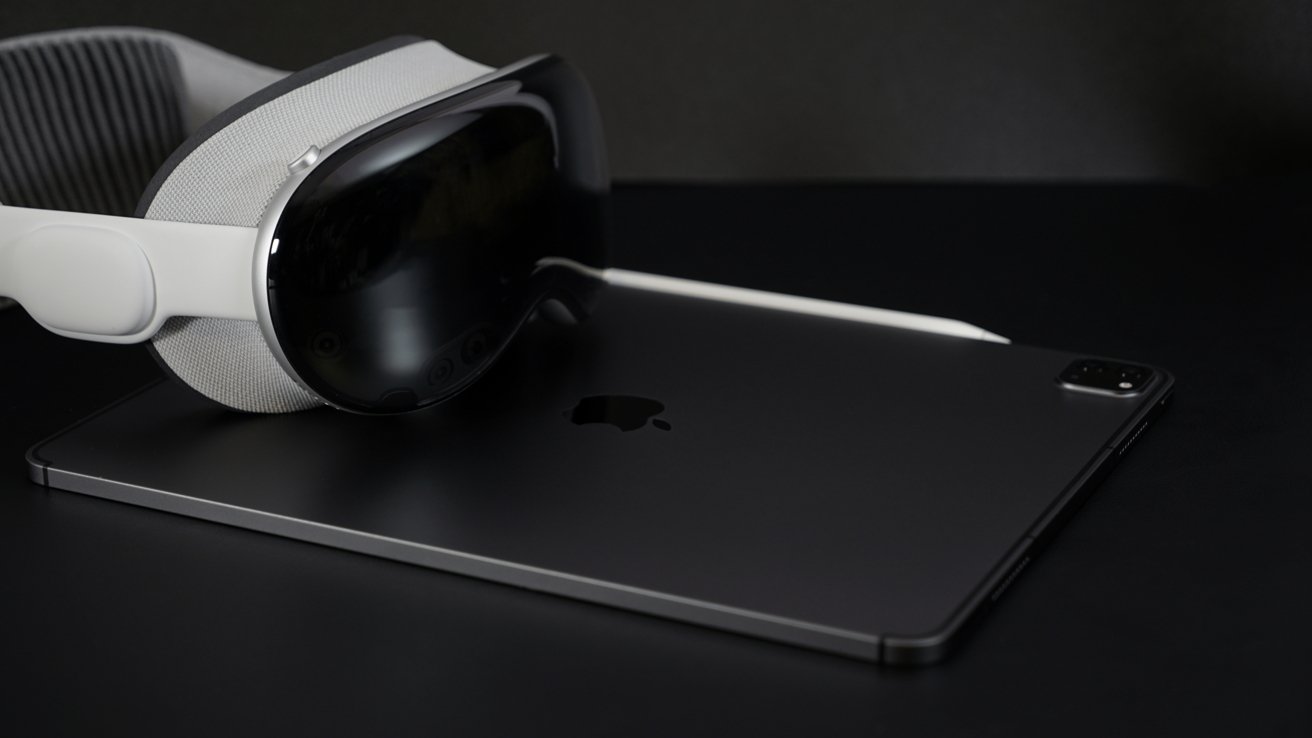
Apple Vision Pro represents the future of computing similar to iPad
With around 1 million active users of Apple's nascent Vision platform, it's tough to call it a failure. Trying to ascertain how Apple Vision Pro is doing from a pure sales numbers standpoint misses the entire point of the product.
Sure, Apple's goals couldn't be met if they didn't sell any units. But they're clearly selling more than zero, and the device is penetrating an otherwise siloed market owned by Meta.
Apple has plenty of money, and Apple Vision Pro is making profits either way, so high or low sales numbers likely play little to no part in determining the product's success. That said, the future of the platform is in Apple's hands, and while it is clearly still in its early days, it can't survive without developer support.
So, instead of wasting everyone's time reporting about "failure" without knowing Apple's success metrics, let's push for a better platform. Apple Vision Pro and the future of visionOS depend on one thing, and it isn't revenue — it's developer support.