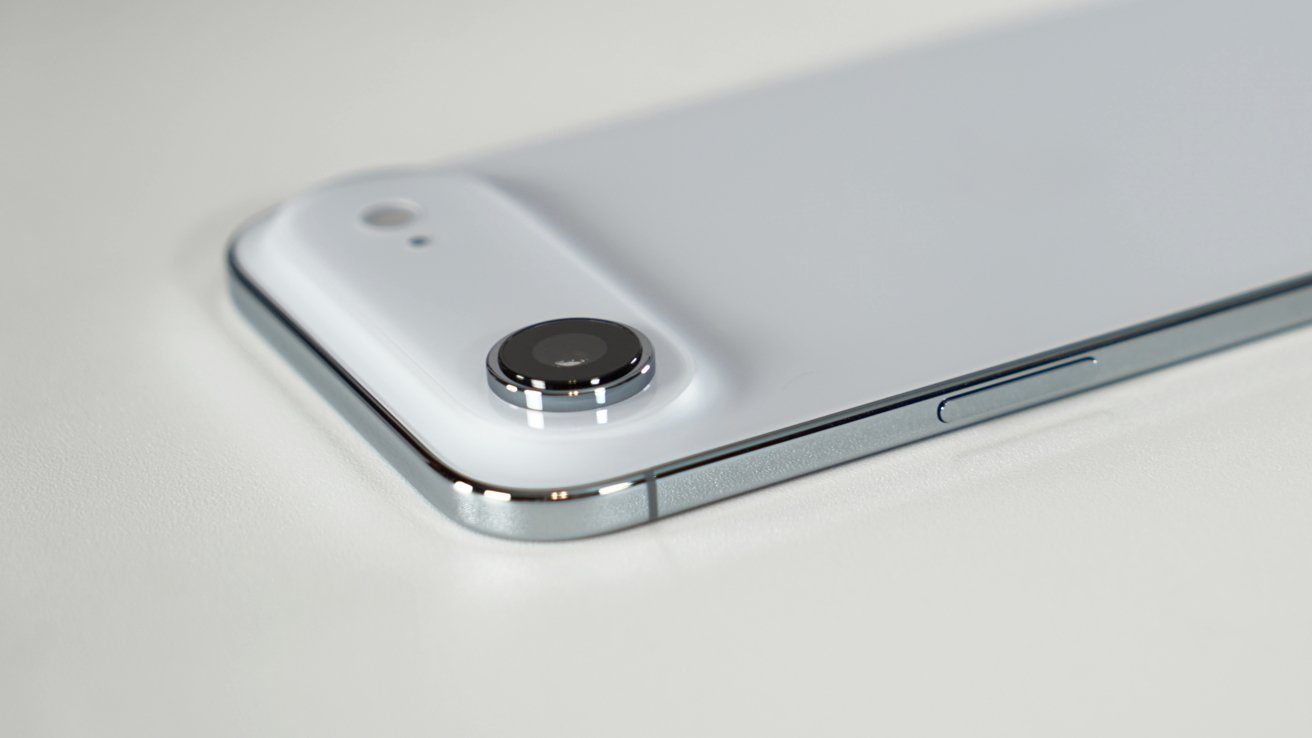
A report relying on supply chain data suggests the iPhone Air was a low share of all iPhones shipped in China in Q4, joining the narrative about poor demand.
The iPhone Air is a controversial release from Apple for being somewhat compromised in some features to achieve an ultra-thin design. In spite of that, like those that loved the iPhone mini, there is a lot of hype among the niche that loves iPhone Air.
However, according to research from Counterpoint, the iPhone Air makes up a small single-digit percentage of shipments in China. This matches earlier reports from analysts that suggested the iPhone Air was not selling well compared to Apple's other new models.
The report says that China smartphone shipments fell 1.6 YoY in Q4 2025 while Apple shipments grew 28% to a 22% share. This growth is driven by demand for the iPhone 17 lineup, and apparently, mostly the iPhone 17 Pro and iPhone 17 Pro Max.
"The late launch and trade-offs between thinness and the feature set resulted in a slow start for the iPhone Air," said senior analyst Ivan Lam. "But it's a significant product, not only as an exploration into ultra-thin design, but also when considering the longer-term structural implications for the domestic market for eSIM smartphones."
Only one part of the elephant
As always, these reports are inevitably only a portion of the story, which we've discussed at length when talking about Apple Vision Pro. Apple had to postpone the launch of the iPhone Air in China, which sold out in minutes once it did release on October 17, which is odd given the narrative around a lack of demand for the product.
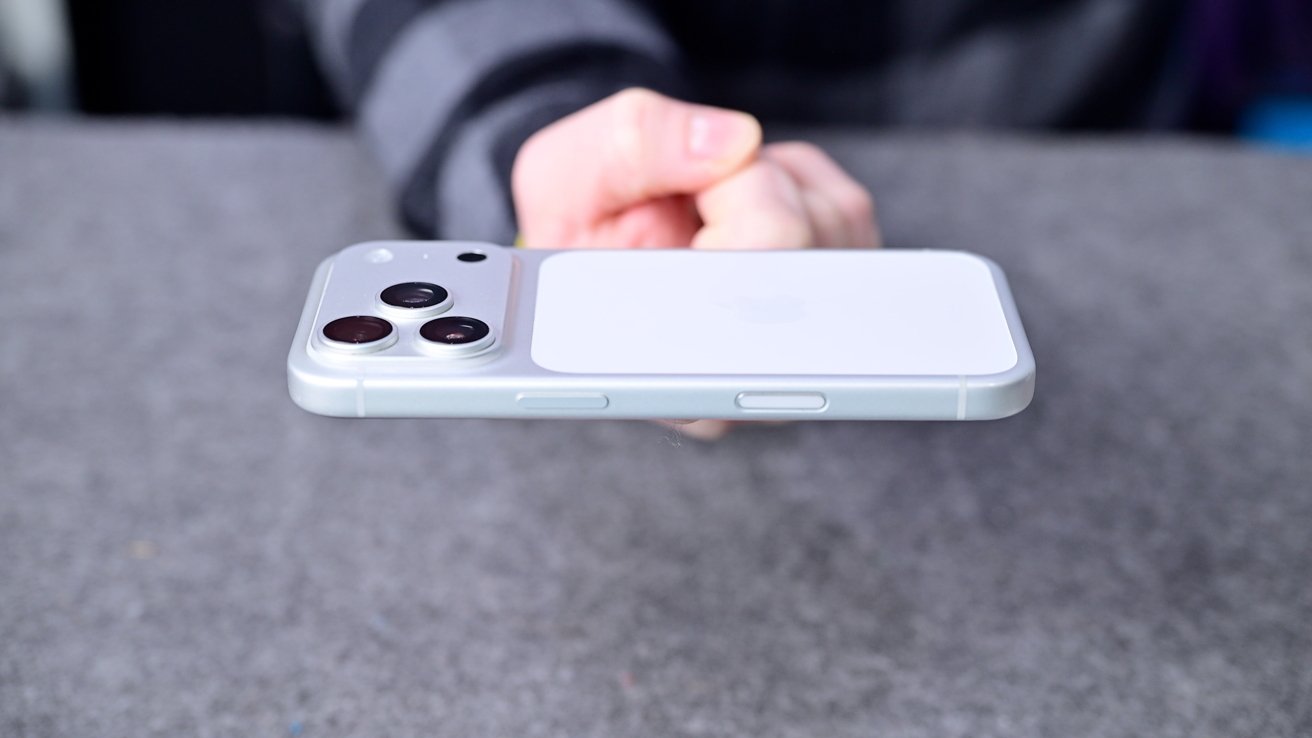
iPhone 17 Pro is in high demand around the globe
Since Apple hasn't revealed iPhone shipments by units in years, there will never be a definitive answer about iPhone Air's demand or success. The only way we'll know for sure is if Apple comes out and says it.
These analysts and reports all rely on the supply chain for data, which Apple CEO Tim Cook has said multiple times is a mistake. Examining any single supplier or section of the supply chain is like trying to describe an elephant blindfolded — you get quite a different animal depending on whether you're by its trunk or its leg.
The truth of iPhone demand is very complex and can't be simplified to simple sound bites. However, AppleInsider has observed the ebb and flow of demand over decades to see some patterns emerge.
The most premium iPhone sells the fastest in the fall as enthusiasts and fans with deep pockets rush the line. The long tail of demand sees the lower-end iPhones slowly catch up through the spring as everyone that wants a pro iPhone buys one.
Through the past few years of Apple attempting to introduce a "third" model, be it the mini, plus, or now iPhone Air, a schism has occurred. Different niches break off from the main pack, some moving from pro models, others moving from standard models.
In the end, the result has proven the same, even if the mix of the niche has changed for each model. The pro models still sell overwhelmingly well in the fall, the standard models have a long tail of demand, and this third option saturates its niche with shipment numbers any other OEM would kill for.
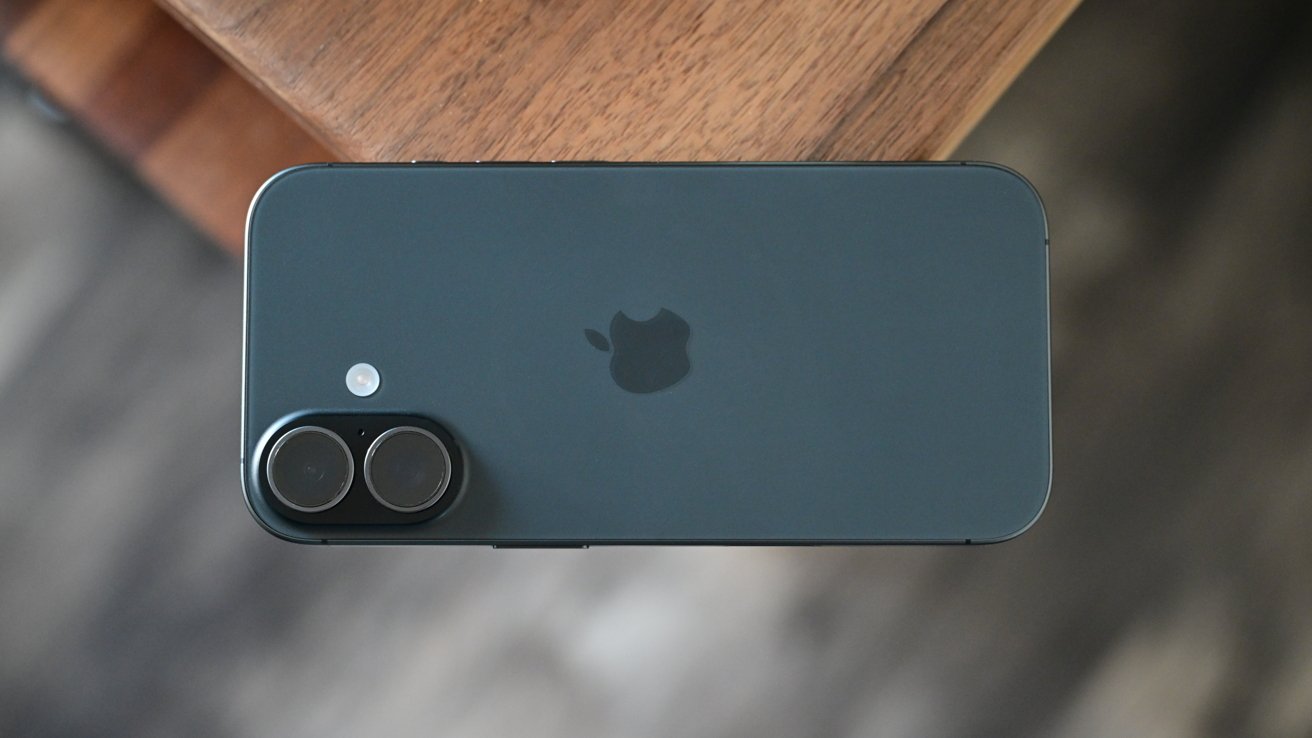
iPhone 17's price makes it more approachable for consumers
Like with Apple Vision Pro, determining the success or failure metric of the iPhone Air will prove difficult. If it was a test run to see if users would be interested in a similarly compromised iPhone Fold, then the iPhone Air has achieved that goal.
If Apple was hoping for a revolutionary new device that would see demand and reactions similar to iPhone 6 or iPhone X, then iPhone Air has failed. But nothing about how Apple has presented this device suggests that was the goal.
Perhaps the iPhone Air will succeed and survive where the mini and plus didn't for one simple reason — price. It is a more premium product but will quickly have bigger margins over time and sells at a higher price.
Or, perhaps the iPhone Air was a one-off and all future iPhones will take on the iPhone Air style as Apple eliminates various compromises. Whatever the case, we're sure to see more reports of the iPhone Air being underwhelming, but whether or not that's true for Apple isn't known.