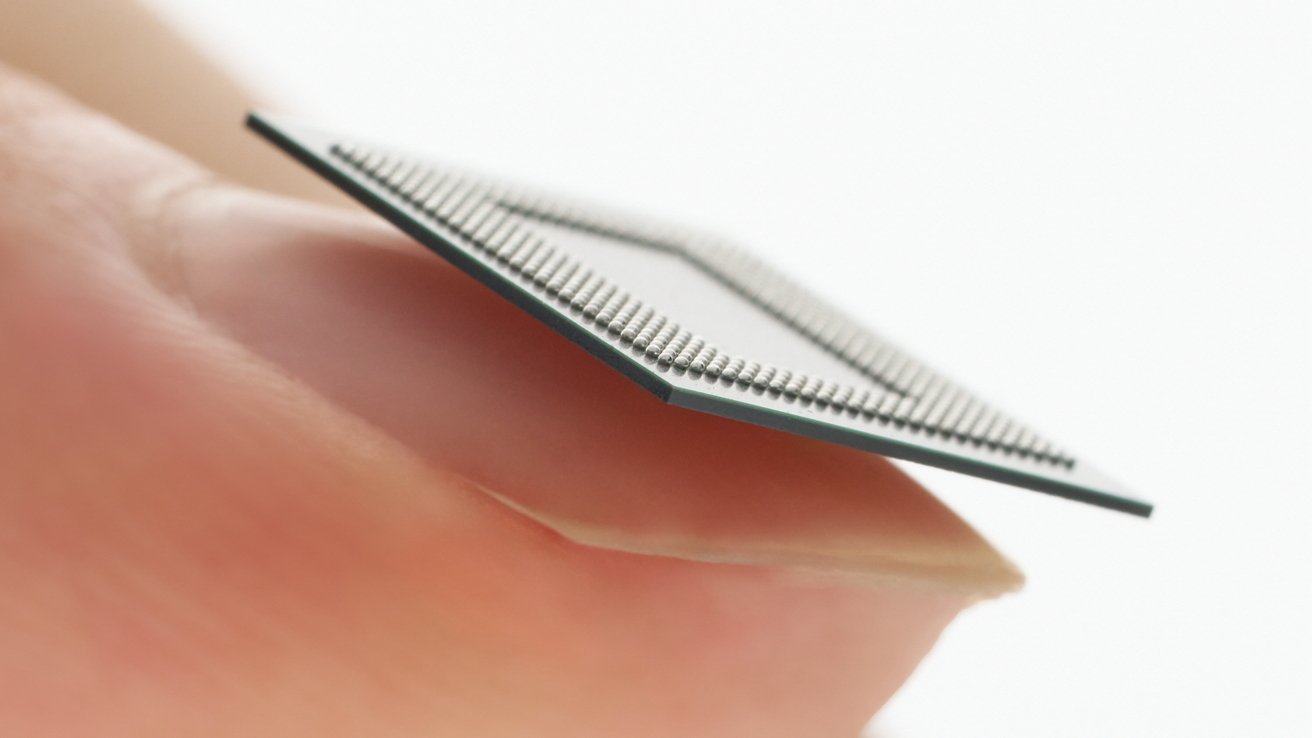
Memory won't be an issue for Apple in the near term due to its contracts with suppliers, and analyst Ming-Chi Kuo thinks that Apple will not increase iPhone 18 prices to compensate.
Analysts have discussed the topic of the ongoing memory price rises affecting the tech industry at large. The general consensus is that Apple's supply chain won't be massively affected by it in the short term.
This is a forecast that TF Securities analyst Ming-Chi Kuo has arrived at as well. In a Tuesday post to X, Kuo goes over the main points of the memory crisis, and how it both affects and doesn't harm Apple.
For a start, Kuo agrees that the first-quarter price hikes to LPDDR memory are close to what his supply chain checks have revealed. NAND flash memory is also suffering, but not to the same degree.
When it comes to the iPhone, Apple is currently negotiating memory prices with suppliers every quarter instead of every six months. The change means to expect an increase in the cost of components in the second quarter of 2026, possibly to the extent of rises seen between Q4 2025 and Q1 2026.
To illustrate the scale of the problem, Apple paid about $30 per 12GB LPDDR5X memory module at the start of 2025. By the end of 2025, the same module cost Apple about $70, more than double the year-ago price.
These agreements have helped insulate Apple's cost of manufacturing to an extent. This is thanks to a level of leverage that few others could match.
For non-AI brands, they can't guarantee to get the supply even if they are willing to pay higher prices.
Insulating consumers
At some point, to keep shareholders happy, the cost will need to be dealt with, and that is usually in the form of higher prices for consumers to pay. Kuo doubts that Apple will actually do this in the short-term, or at least will minimize how much is passed on to its user base.
His assessment of Apple's playbook is that it will use the chaos in the market for its own benefit. It will do so by securing supplies and absorbing the costs to increase its market share.
While this will hit Apple's gross margins, it's a healthy trade-off for the company. He expects that Apple will regain any costs incurred through increased Services revenue.
Memory is so much of a problem in the industry that Kuo thinks it will become a hot topic during Thursday's earnings call. What Apple says about the subject could ultimately have more of an impact on the stocks of others in the industry than on its own shares.
The plan for iPhone 18, therefore, is to try and avoid increasing the cost to consumers as much as possible. While there's no guarantee of that happening, Kuo assumes Apple will try to keep the starting price for the range as flat as possible to help with its marketing.
Kuo does have a good reputation when it comes to manufacturing, in part due to his close connection to the supply chain that Apple operates. He is also a reasonably good source of product details, and has a generally high level of accuracy when he does enter discussions.