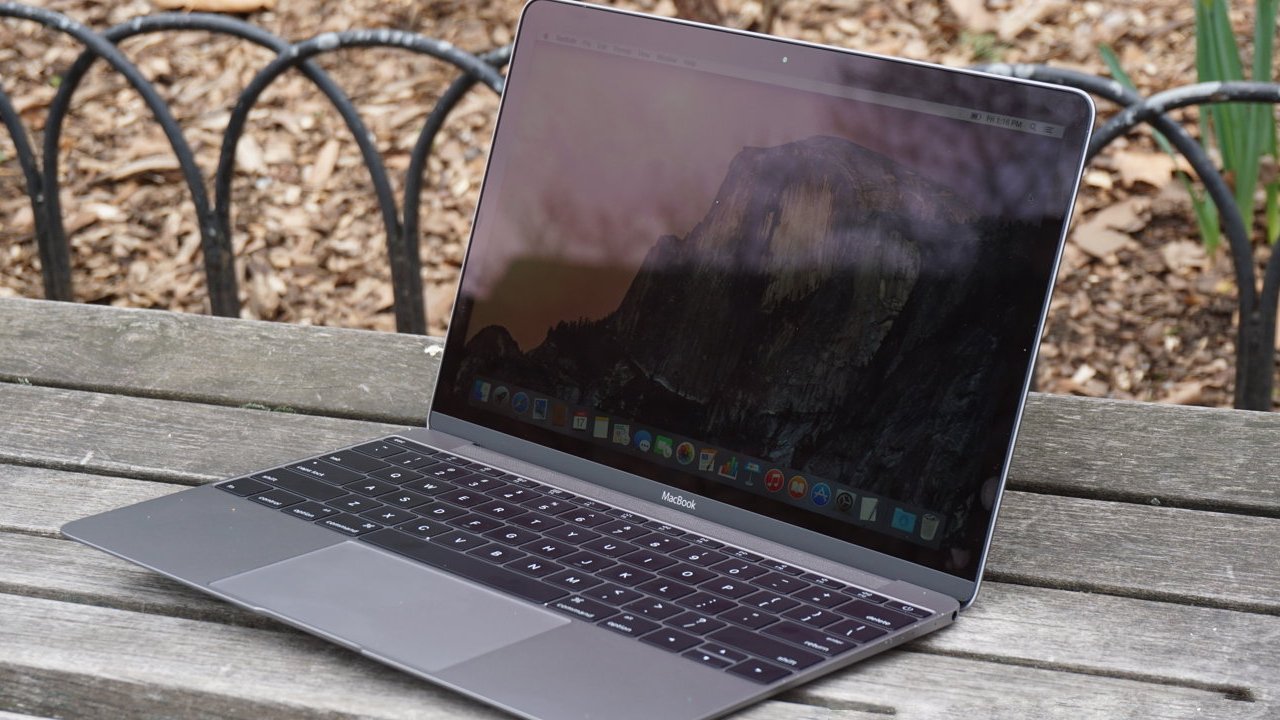
While the rumor mill has missed most of its guesses about the MacBook Pro release so far, it apparently feels confident about predictions for a low-cost MacBook coming in the spring.
As we approach the expected spring 2026 release of the low-cost MacBook, the rumor mill accelerates predictions, leaks and outright guess-work about the new unit. Mirror Daily throws its hat into the ring with not just specifications, but also expected order volumes for the unit.
Specs that the publication claims for the unit aren't particularly revelatory. It assumes the A18 Pro processor will be used in the machine, as is the case with most of the rumors to date.
Performance on the A18 Pro is similar to the M1 processor, with the A18 Pro having a higher single-core performance. This makes sense for the intended use of the machine, as most casual workloads are single-core limited.
Multi core performance on A18 Pro beats out the M1 also, but just by a bit. The M5 presently in the 14-inch MacBook Pro and coming soon to the MacBook Air is about 70% more performant than the A18 Pro.
As far as price goes, Apple is still reportedly thinking between $699 and $799. It's not clear if the escalating price of RAM and flash media will be an issue, though.
The report claims that Apple sold about 22 million MacBook Air units in 2025, up some from 2024. That makes some sense, and is in the ballpark of other venues that guess about Apple's sales volumes.
Apple is said to be ordering between five million and eight million units for 2026, which is about what Ming-Chi Kuo predicted in that June report that I've previously mentioned. Foxconn and Guangda are said to be the main manufacturers of the unit.
There have been whispers about a low-cost MacBook for several years. A 2026 release gained traction after a prediction from noted leaker Ming-Chi Kuo in June of 2025.
It's not clear if the report published on Thursday by Mirror Daily is a "me too" report or not. The publication is not known for accurate leaks from Apple's supply chain.
At a glance, it feels like information gleaned from other leakers. The "leak" is likely, given everything else we've heard, but we're skeptical the publication has unique sources.