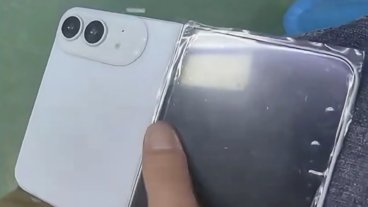
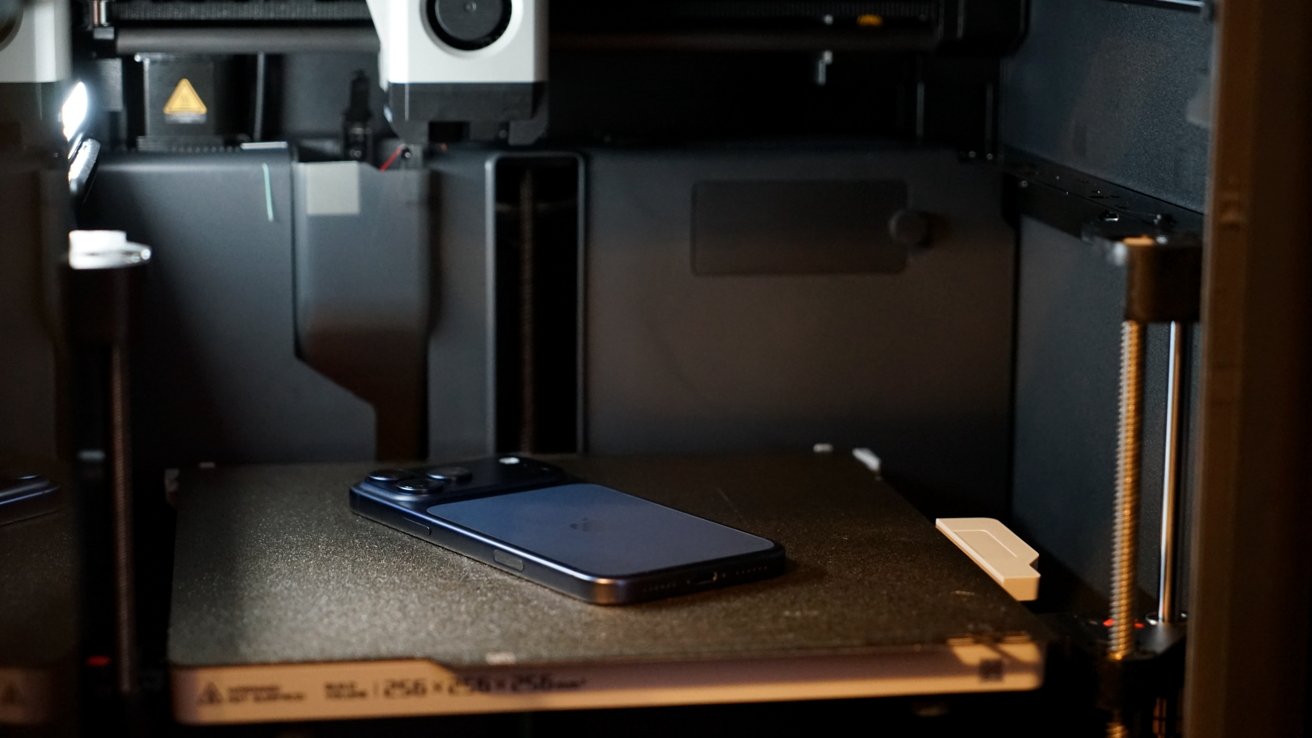
While inventors haven't quite given us a "Star Trek" replicator, 3D printers are the next best thing. After success with titanium printing, Apple will tackle the challenges of 3d printing with aluminum to make products like the iPhone.
The Apple Watch Ultra 3 uses a 3D-printed titanium unibody case. It was Apple's first 3D-printed product, but more are on the way as innovations make the process more efficient.
According to the Power On newsletter, Apple is working to increase its use of 3D printing in product manufacturing. It is likely going to be used in Apple Watch models first, but the goal is to eventually print iPhones.
The move to 3D printing is a smart one, as it reduces the amount of wasted metal in the manufacturing process and lowers costs. Apple can already build the entire Mac mini lineup with just the excess shavings from machining other products, for example.
While machining processes will still be the go-to for Apple's most premium products, 3D printing will be a great option for budget-friendly models. They'll be made faster and more efficiently, and less material waste means less environmental impact.
3D printed aluminum will be a challenge
Apple will have to overcome some challenges when 3D printing aluminum. We're not going to get into much in the way of materiel science and metallurgy here, but in short, It's less dense than titanium and much more thermally conductive, which can lead to multiple problems.
The lower density and higher thermal conductivity means the metal will cool off faster, and if not controlled properly, could lead to warping, cracking, and residual stresses.
Apple would also have to change the aluminum it generally uses. At present, Apple uses 6000-series aluminum, 6061-T6 specifically, which is an Aluminum-magnesium-silicon alloy. Aluminum-copper and aluminum-zinc are more common for 3d printing aluminum, and have different physical characteristics.
The titanium Apple Watch Series 11, Apple Watch Ultra 3, and some parts used in iPhone Air are already 3D printed. Apple says the thinness of the USB-C port in iPhone Air is thanks to 3D printing processes.
The 3D printing process is so efficient that Apple claims it saves 50% of materials used versus machining the same product.
As Apple aims for high profit margins, lower-cost budget products, and net zero emissions by 2030, 3D printing could help with all three. Expect Apple to brag about each product that is made with 3D printing as they are introduced in the future.