
As part of promoting his new book, "Apple: The First 50 Years," author David Pogue spoke to the AppleInsider Podcast about writing it and just what Apple itself would and would not do to help.
David Pogue joined William Gallagher for an in-depth discussion of "Apple: The First 50 Years" — now available on Amazon, how it was written — and why. Hear the interview on the latest AppleInsider Podcast, or read this lightly edited transcript.
David Pogue: Guess what? You are the very first person, the very first person not involved with the book to read it and tell me what you think. So that that means the world.
I mean, I have no idea. I have no idea. I'm so close to it. Absolutely no sense of whether it's good, whether it's structured well, you know. I did my best, but so someone who knows stuff like you, giving it a thumbs up, that means a lot.
William Gallagher: Well, I thought I knew stuff. There's so much in there I didn't. You're actually frankly annoying. First, though, your book says that Newton saved Apple. Defend yourself.
DP: It's when the book comes to the discussion of ARM, which was this tiny British chip company that invented what we now know as the arm processor that's in every MacBook, iPhone, iPad, Apple Watch, every single thing in the world. John Sculley, the much maligned John Sculley, CEO for 10 years, found this little company, and said, wow, this could be something. Let's invest in it.
So he bought a big chunk of that company in the 90s. And then fast forward a few years, the investment had appreciated something like 8,000%, and it was now worth $800 million at a time when Apple was almost broke.
And without that money, Gil Amelio would never have been able to buy NeXT and bring Steve Jobs back.
He literally sold that stock and used it to buy Steve Jobs back and begin the second act of Apple.
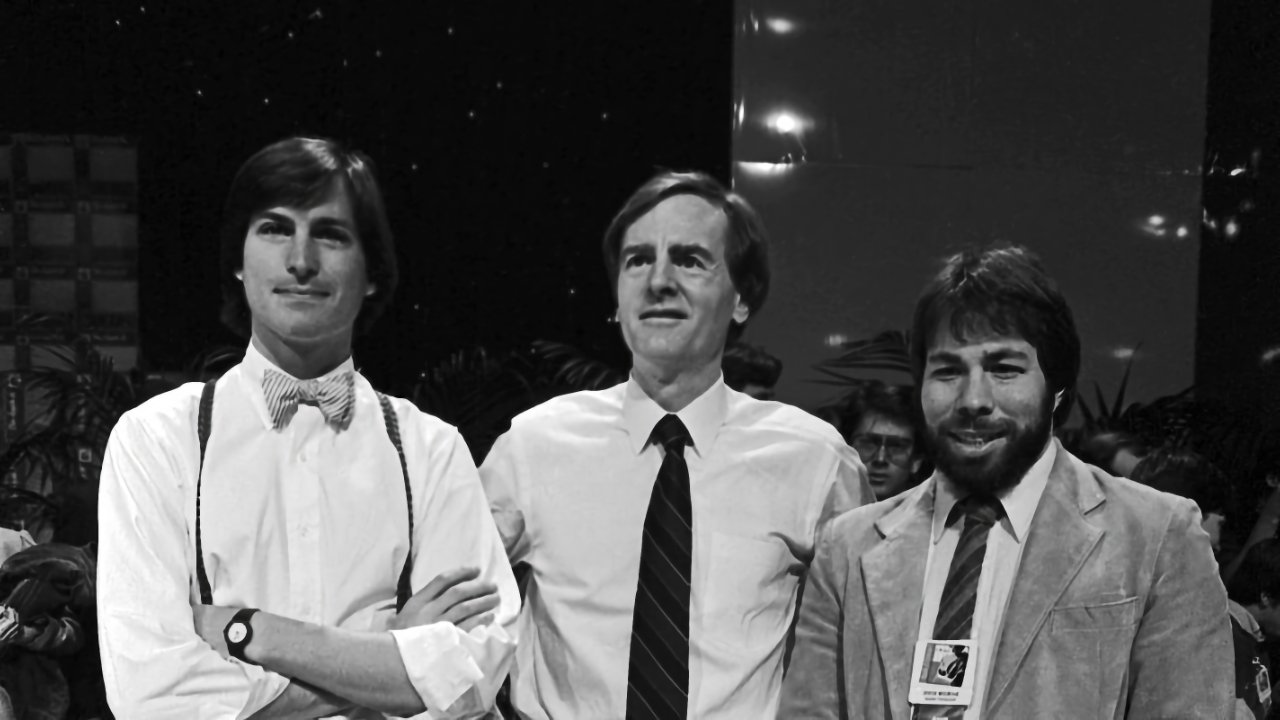
L-R: Steve Jobs, John Sculley, Steve Wozniak — image credit: Apple
I interviewed John Sculley for a day and he's the one who made this argument and I'm like, come on, dude, that's a little pat on the back, but then I dug into it. And he was right. I mean, they made a brilliant investment. I mean, it was nothing. It was $3,000,000 or something at the time, but it expanded and multiplied many fold.
The legend of Steve Jobs
WG: Are there any other famous Apple stories that you can now put right?
DP: So many. There's a great story about Steve Jobs when they were working on the iPod. He wanted it small. And so at one point they brought them a near final prototype and they said, Steve, this is as small as it goes. We've shrunk everything. We've squeezed all the all the space out of there.
And he supposedly threw it into the fish tank. As it sank, little bubbles drifted up, and he said, see those air bubbles? That means there's air in there. Make it smaller.
Great story. Never happened.
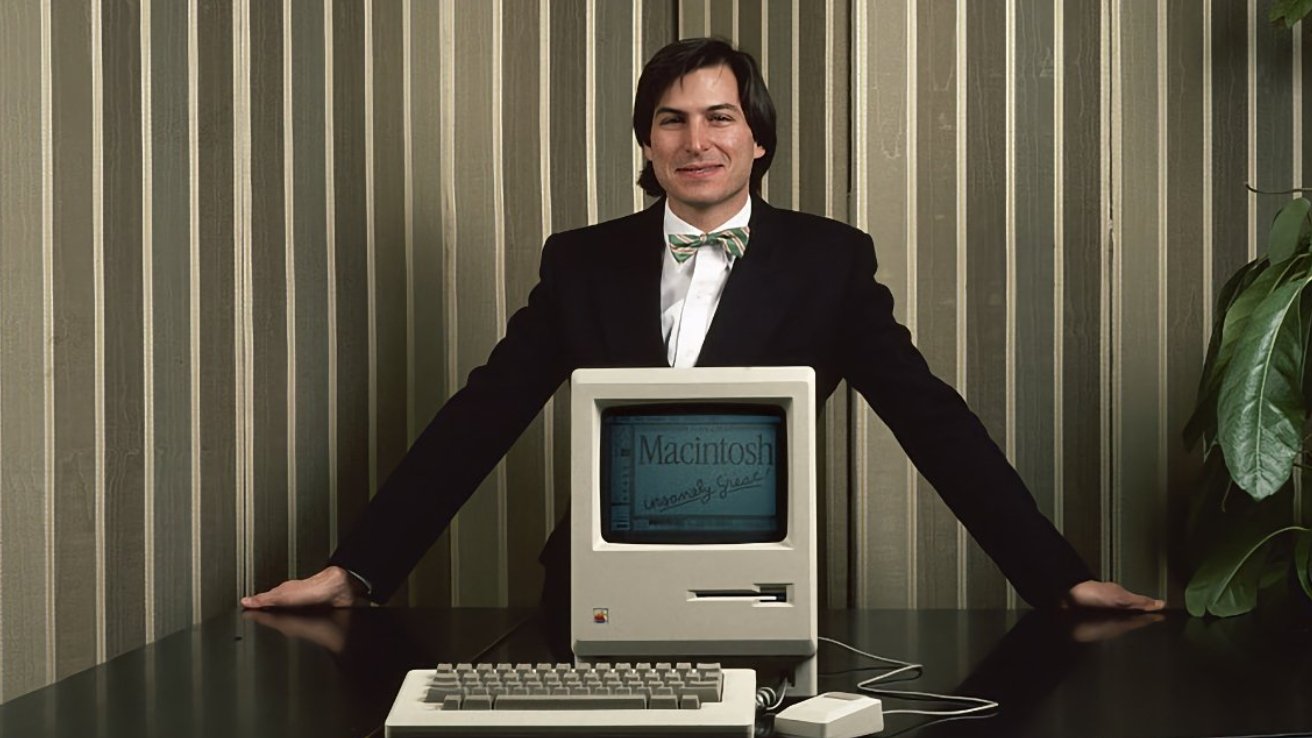
Steve Jobs with the original Macintosh in 1984 — image credit: Apple
Or the story of, you know, Steve Jobs haranguing a total stranger and saying, what do you do here? And you say, well, Steve, I'm on the developer relationship team, and he says, you're fired. That never happened either.
Um, yeah, there's, there's, there's a long list and they've been repeated, so many times that they've become lore, including in some very recent bestsellers about Steve Jobs, let's just say that.
Tim Cook isn't in the book
WG: You make it very clear in the book that Apple had no say in this. But they did help you get access to people and the people you list you interviewed is everyone you could dream of — except Tim Cook.
DP: Did not get Tim Cook. Which is ironic because I interviewed him after the book was out for a story on CBS Sunday Morning. So he did ultimately agree to an interview, but not in time for the book. I don't know what that's about. There was a long time when Apple PR's line to me was that we don't celebrate the past, we focus on the future. Which could be, you know, a noble thing: we don't spend resources and energy looking backward.
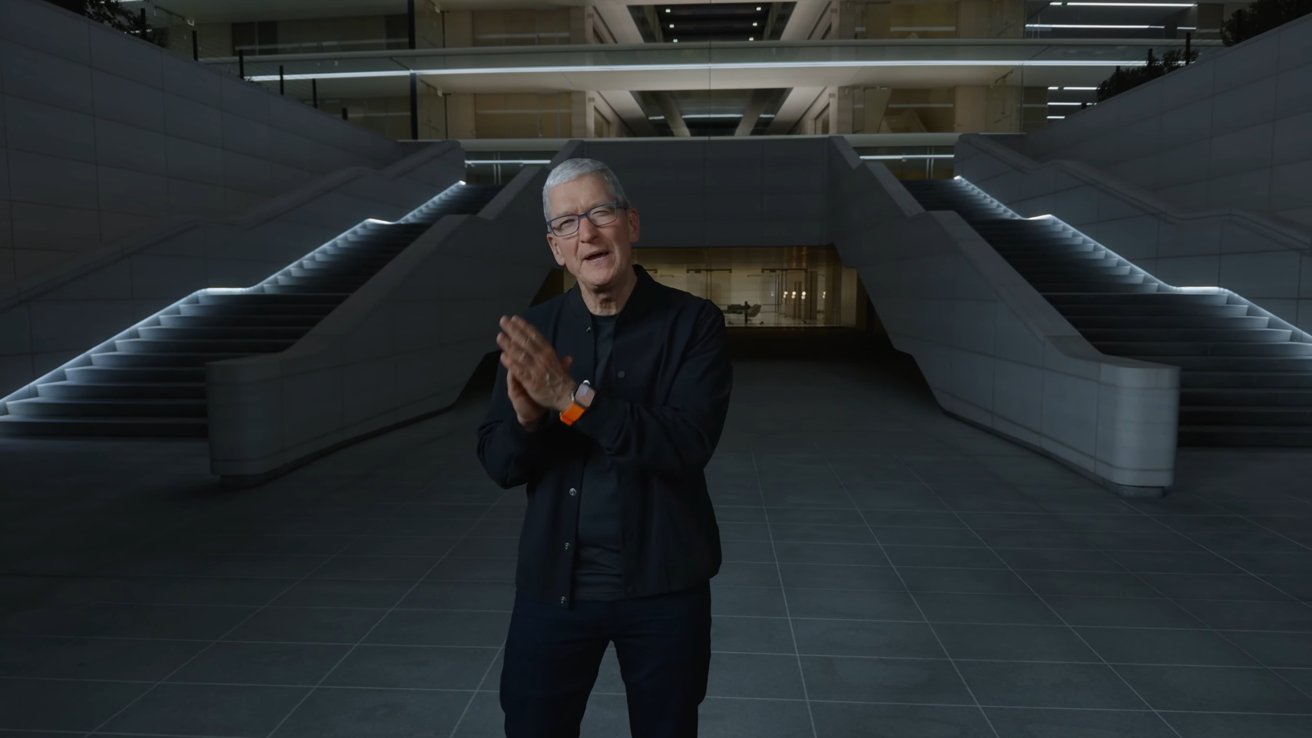
David Pogue did get to interview Tim Cook, but not in time for the book — image credit: Apple
And it could also just be a matter of practicality: we don't have the bandwidth, we don't have the resources. We have the, uh, smart Siri to work on and, you know, the next iPhone. We're busy.
But in any case, that was, I think, the argument there. It was sort of a strange dance with Apple, actually, the whole thing. They do not give interviews with current executives, designers, and engineers to journalists as a rule.
They just don't, unless unless they have some PR purpose when, you know, they'll give Craig Federighi to Joanna Stern of the Wall Street Journal. For example, [they did] when they tried to put out the fire of the AI issue. And here I was saying that I wanted to interview everyone.
Apple helped but didn't have control
DP: So for a long time, I sense that they were very torn about how much help to give me. It was a matter of six months of me begging them, but they knew that this was not going to be something that they would get to see before it was published.
Any big company has a PR team that tries to protect the image of the company and Apple does in particular. So I can see why they would be nervous about giving interviews to somebody. But on the other hand, I have been writing about this company for 40 years, so they know [that] I'm fundamentally a fan of Apple.
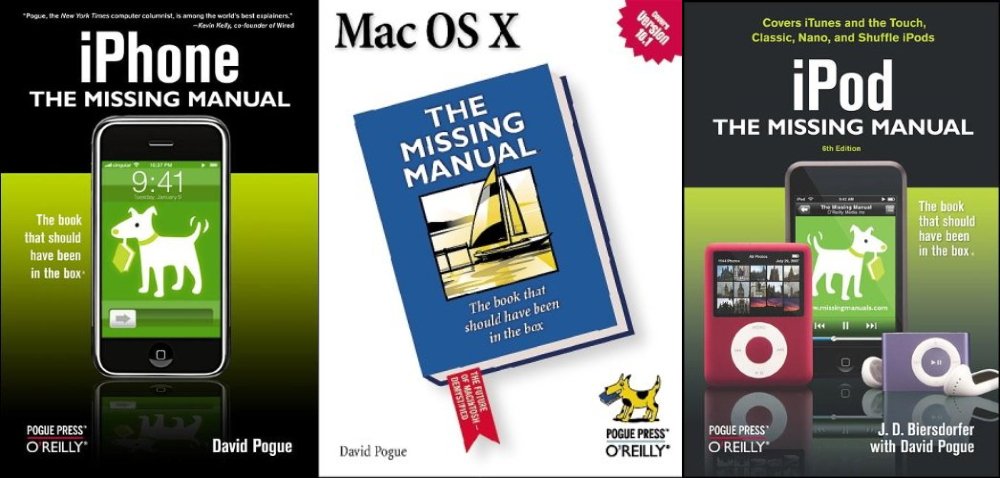
Three of the many Apple-related How To books written by David Pogue — image credit: O'Reilly Books
I like the idea of beauty and simplicity and magic. So they knew it wasn't going to be a hatchet job. But at the same time, it was quite a dance. I think it went down from my perspective as well as it could have gone down, in that they did offer me interviews. They did offer me access to their archivist and didn't get the book before it was done.
WG: Is being an Apple fan the reason to write about this anniversary and not, say, the 50th of Microsoft?
DP: I think actually Microsoft was founded in 1979, so there's still time for me to do that. But no, I mean, I wrote for MacWorld for 13 years, I wrote, you know, "Macs for Dummies." I wrote, you know, I started the "Missing Manual" series, so "iPhone: The Missing Manual, "macOS: The Missing Manual." So, I really, really, really know my Apple stuff.
Writing the book
WG: I think this is the only history book you've written, though, is that right?
DP: That is right. And only the second sort of nonfiction, other than the How To books.
I'm not gonna lie: this book just about killed me. It was the most stress you can possibly, possibly imagine because first of all, there was an immovable date. So the anniversary is April 1, 2026, and that's not moving. If I get busy, if I get sick, that's not moving.
Second of all, I had many different interviewees that all had their own agendas. Many of them were almost, I mean, almost desperate in the way they wanted the story told. A lot of these old guys, you know, I was the last big journalist, you know, might be the last big journalist to come by.
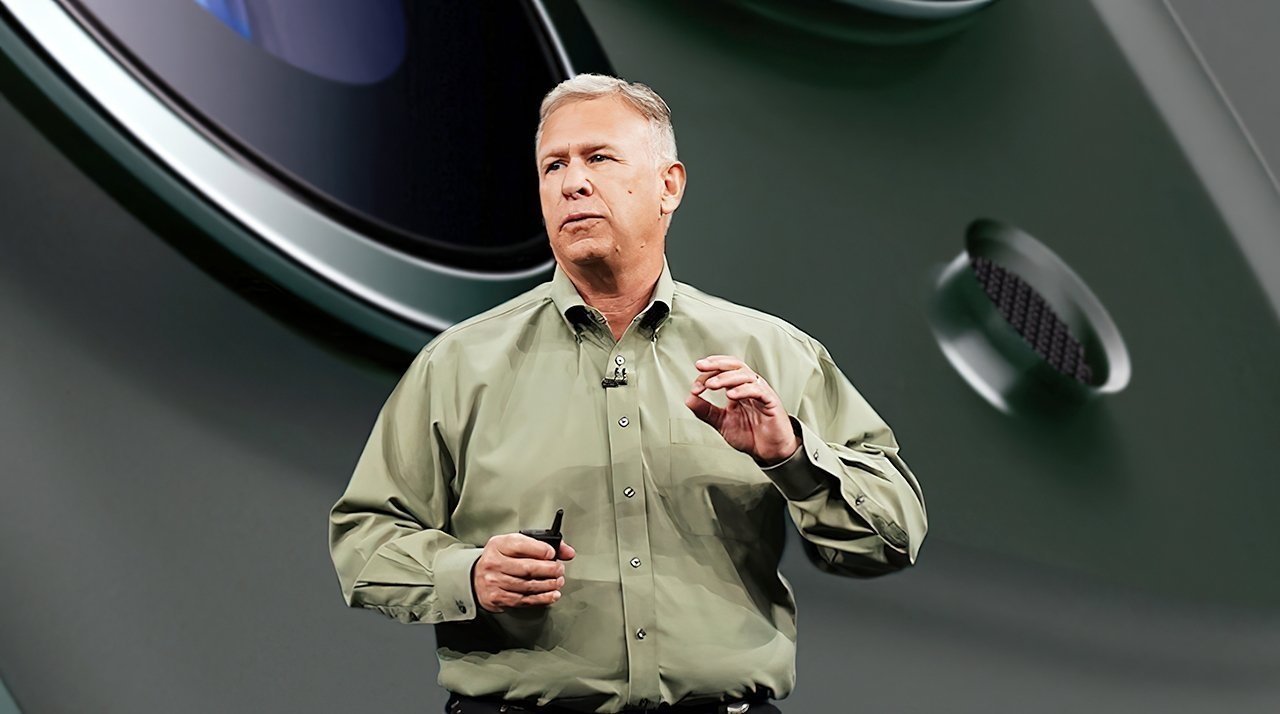
Phil Schiller, Apple Fellow, was a contributor — image credit: Apple
I mean, two of these guys have died since I talked to them, you know? Two more are have dementia, and I talked to them probably the last time they got to talk about their lives and their work.
So there's tremendous pressure to do the stories right, told by these people who have changed the world in their ways.
At the same time, what do you do when their stories conflict? And they often do. And that's been a problem in previous Apple books too. I read them all. And again, there's a lot wrong.
Early on, I said, this book is not going to have mistakes. And I would talk to some of these executives and former executives and the really smart ones, like Phil Schiller and Chris Espinosa, they chuckled warmly and they said, "oh, David, there's going to be mistakes."
"There would have to be. I mean, you put four of us old Apple people in a room to tell about an event and you'll get six different renditions."
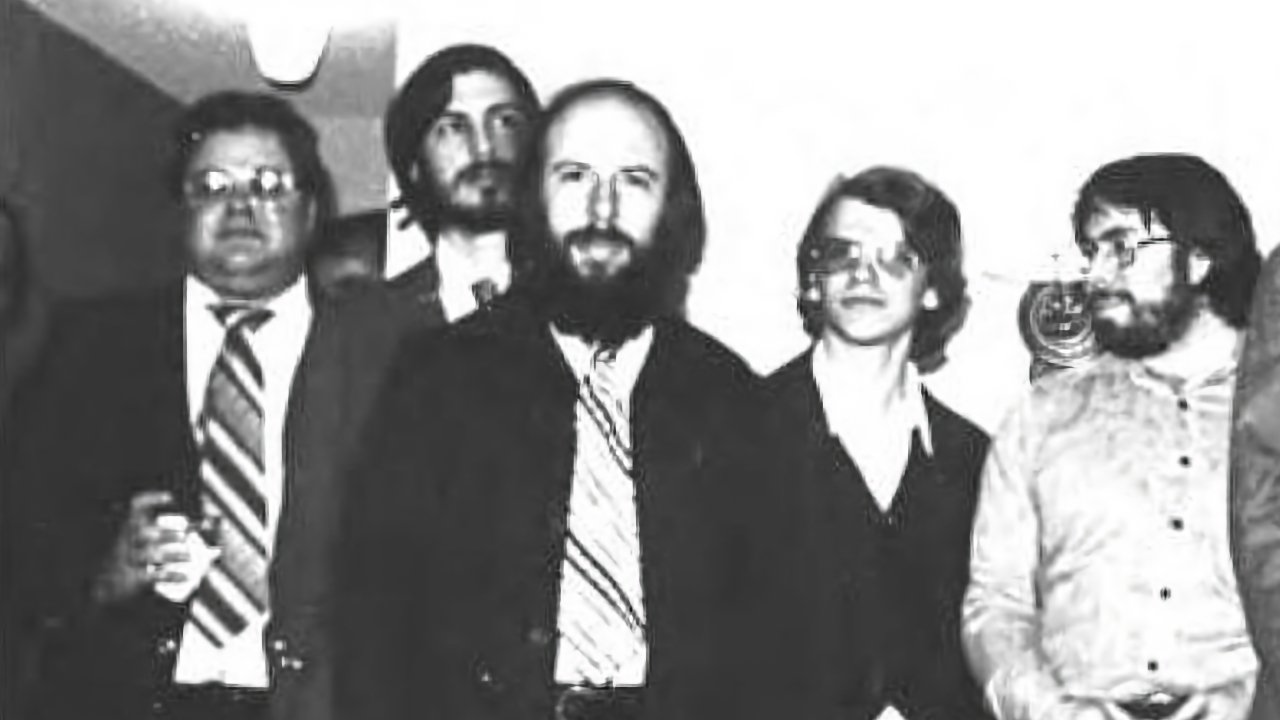
L-R: Michael Scott, Steve Jobs, Jef Raskin, Chris Espinosa and Woz in 1978 — image credit: AllAboutSteveJobs.com
I mean, it's ancient history, it is 50 years ago. Memories are infallible. All you can do is your best.
I hired a researcher to help me go through archives [full of] unbelievable stuff. I worked harder to make it accurate.
So there's the accuracy thing. There was the do right by the storytellers thing. There was the deadline thing.
And I wanted to tell stories that haven't been told before. The same stories, as we've mentioned, keep getting recycled in the Apple articles in the books, and I wanted, first of all, not to repeat anything, unless it's really important.
You know, the Jobs/Sculley battle that got Jobs kicked out of the company, that kind of thing, you've got to tell. But I also wanted to tell a lot of inside stories, which, as you know, there's a lot there's a lot of them in this book.
Reporting but not commenting
WG: I like that you're comprehensive in the book, but you don't speculate. So the Apple Intelligence section towards the end if I say it's straight, that sounds almost insulting like it's boring. But I mean, it's non-judgmental. It lays out what happened when. Was there ever a temptation, given the rest of your journalism background to speculate, to draw conclusions that weren't described to you?
DP: You've touched on something else that really consumed me, which is whose voice is this? Am I a complete outsider telling things neutrally? Most of the books about Apple have been written by business reporters, and they tend to focus on the colourful characters, like the people and the backstabbing, and Steve Jobs had an illegitimate daughter and, you know, salacious details.
I knew this wasn't going to be that. There's a lot more about the technologies and the products in this book than about the corporate infighting within the boardroom. At the same time, I didn't want to be, you know, a gushy fanboy.
So what I chose to do is just be a reporter. So if they screw up, describe the screw up, describe the fallout from the media, how it impacted sales, how it impacted their reputation, but I'm not going to be the one who draws the conclusion. The reader's going to draw the conclusion.
Origin of the book
WG: I read that this book wasn't your idea, it was your wife Nicki Pogue's, is that right?
DP: Yes. So in 2024, it was the Mac's 40th anniversary, and there's this wonderful outfit in Mountain View, California, called the Computer History Museum. They put on an event and asked if I would MC it.

They brought back to the stage, Bill Atkinson, Andy Hertzfeld, Steve Capps, Susan Kare, who drew all the original icons and fonts. A whole bunch of people came back and there were three sets of conversations, three conversations that I did with these folks and the audience.
It was sold out, it was packed, it was like Woodstock meets a love fest. I mean, it was hilarious, the stories they told.
And there was PTSD, you know, as they told about Steve Jobs driving them like a slave driver to complete this Macintosh. This thing had no memory and they had no time to do it, and yet they had to change the world with it.
It was an unforgettable night. The front row was full of Apple executives, current executives.
[And at the time] I owed my publisher the second book of a two-book deal, and I'd been working on a book that's about space and I was really excited about it.
My wife was never excited about it. And so one day, a few weeks after this computer history museum thing, she shook me awake in the middle of the night. She goes, "David, David, I have a much better idea for your second book."
I'm like, "what are you talking about?" And she goes, "you should do a book about Apple's first 50 years. You know the subject. You're the perfect person to do it."
And then in the morning, I'm like, really? Well, wait, when was Apple founded? And I looked it up and it was 2026. It was then two years away. The perfect time to write a book.
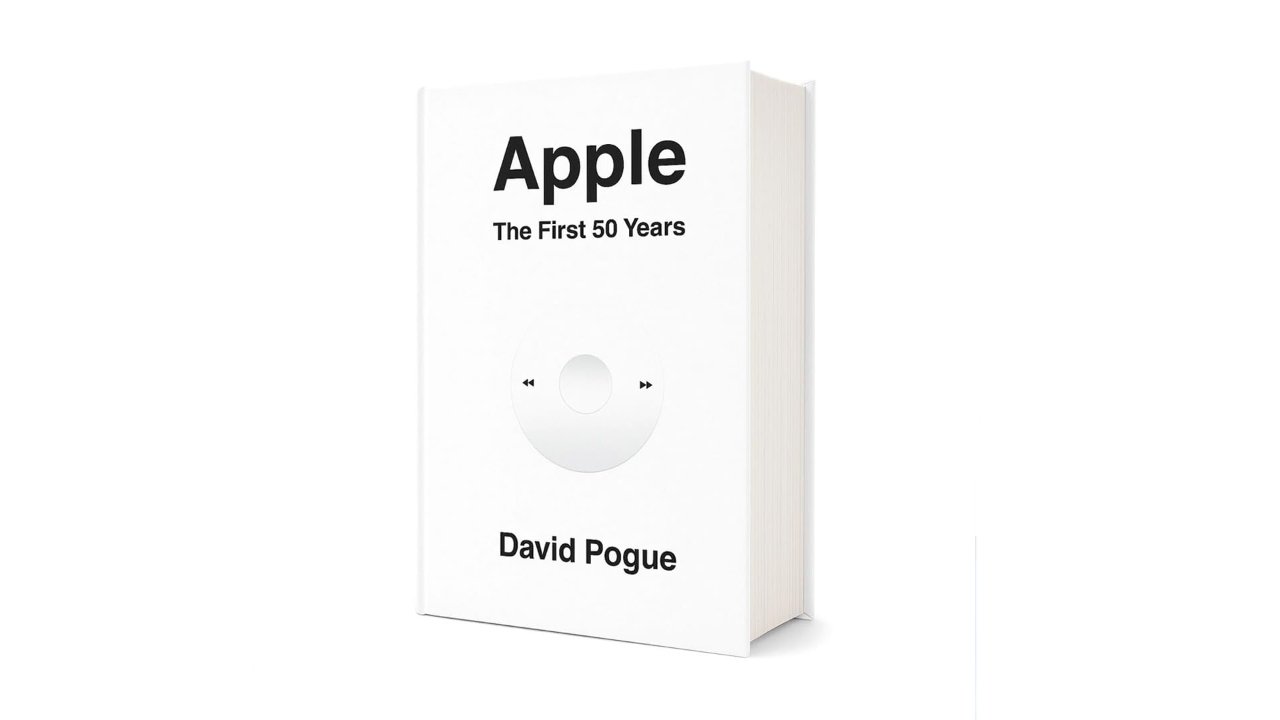
Two years and 600 pages — David Pogue's Apple history book is now out
And you know how when something comes to you in a dream or in half sleep, you're not really sure if it's a good idea or not? So I called my publisher and described this idea.
And she's like, oh, yeah, kill the space book. Do this.
So it was very much my wife's idea. And, you know, she's really good at that stuff.
Among other things, it meant that I got to spend a year or two interviewing really towering cool figures that she knew I'd admired for a long time.
WG: Does Nicki Pogue get paid for all of this?
DP: What do you mean? She gets to live with this genius loving, funny, handsome guy.
Interviewing Apple legends
WG: How much back and forth were you able to do with these amazing people you interviewed?
DP: A lot. That's the other thing, when we say interview, I mean, we were talking about the beginning of these relationships.
I mean, that once I interviewed someone, they were on my speed dial, they were on my email list. And, oh my gosh.
Bill Atkinson, who wrote the original graphic interface software for the Mac, I spent an entire day with him at his house. And then every time he thought of another story, he would call me up and I would quickly turn on the recorder and record it
Can I tell my favourite story from the entire book? As your listeners may know, there was a moment in 1979 when Apple got the chance to visit Xerox PARC, the Palo Alto Research Centre Park, where they had developed crude early versions of what we now know as the graphic interface, menus, windows, the mouse.
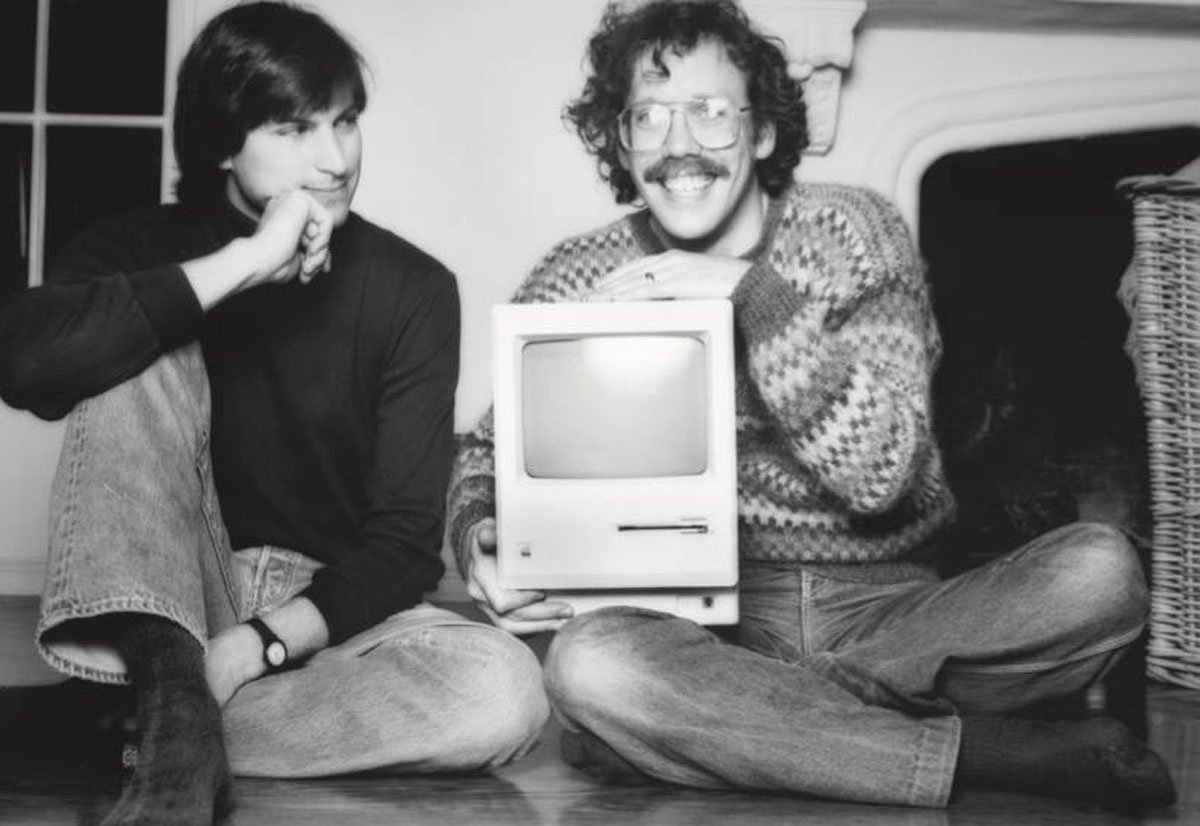
Steve Jobs and Bill Atkinson (right) worked closely to help bring the Macintosh to life. Image credit - Apple
I mean, it was weird, the mouse was a sharp-edged acrylic rectangle with three buttons. I mean, it was very prototype-y.
But Steve Jobs took a crew over there and said, oh my god, this is the future. This is the future of computing, rip up everything else we're doing. We're gonna do this.
And he said, Bill Atkinson, recreate all this, everything you saw there, but make it better. So Bill Atkinson, Bill Atkinson did.
He worked for weeks in particular on this one thing he'd seen at Xerox PARC, which is overlapping windows. So windows acted on the screen like sheets of paper that you could overlap, drag one on top of another.
But in those days, the processing power and the memory were so puny, it was really hard to do. Like when you moved away the upper window, the closer window, instead of revealing the contents of the window behind it, it would leave this blank rectangle, or worse, flicker.
And so he could not figure out how Xerox PARC had done it because you have so little memory. You can't store the images of 6 different windows, some of which are hidden.
So he finally came up with this really elaborate scheme where he memorises the coordinates of the part of each window that is obscured by a front window and he stores the bitmap of what would have been there off the screen.
Anyway, it was very complicated, very technical, but he did it. And Jobs is like, you're a freaking genius. You did it. That is so cool.
So now you could drag windows in front of each other. People know that part of the story.
But the great part of the story is that Atkinson called me one day to say, "I forgot to tell you..." A few weeks later, he was at a nudist colony and he was into that at the time. He was sitting in a hot tub at a nudist camp where you're required not to wear clothes.
And in comes this guy who climbs into the tub with him and says, hey, you're that Bill Atkinson from that little startup Apple.
He goes, yeah, yes, I am. [This man says] hi, I'm William Withers from IBM from Xerox PARC. I heard that you solved the overlapping windows problem.
And Atkinson said, "yeah, I don't know how you guys did it. It took me weeks to figure that out."
The guy goes, no, we never solved it. You did. He had misremembered.
Bill Atkinson misremembered seeing that. He had never seen that, but he managed to do it.
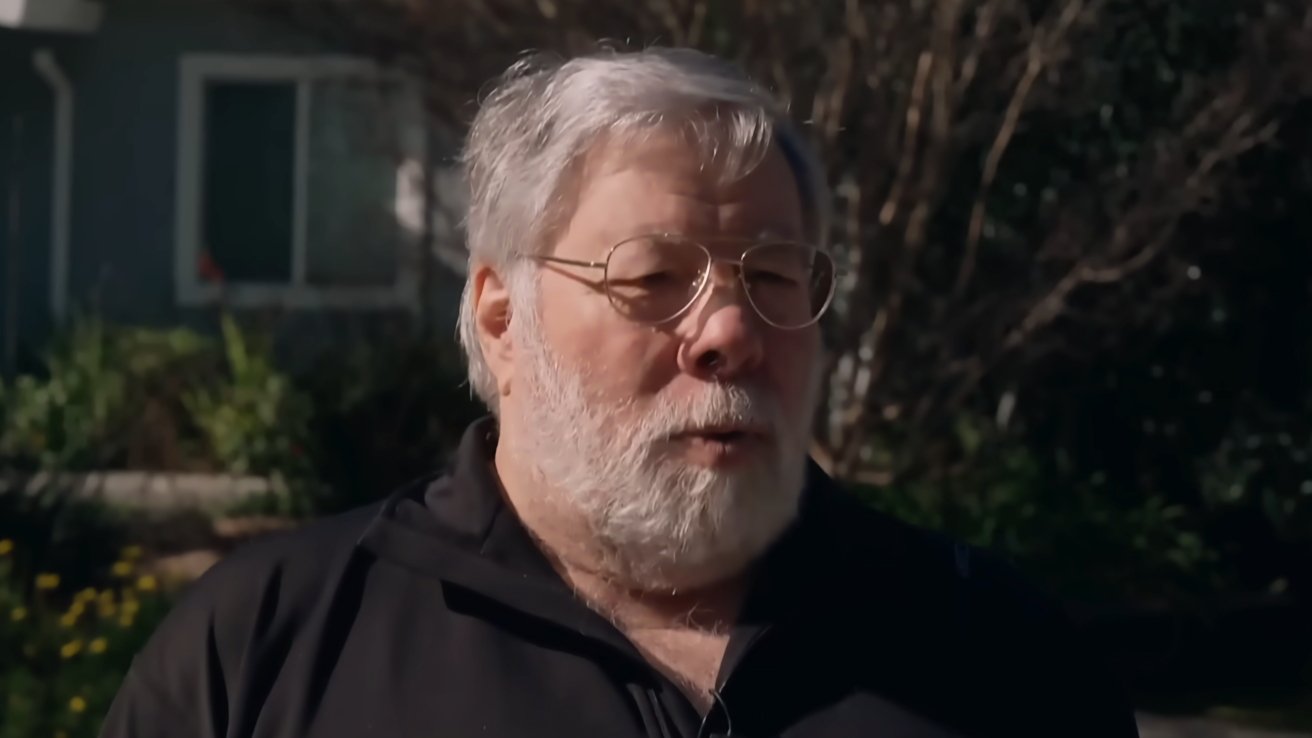
Steve Wozniak - Image Credit: CBS Sunday Morning
But anyway, to answer your question, yes, people stayed in touch. And in particular, Woz, Steve Wozniak was amazing. He was just on call 24/7. I could email him questions or clarifications, and he would just immediately write back. I mean, this guy is so busy.
And also Chris Espinosa, the guy who's been there for 50 years. He went so far beyond the call of duty. Like, when I interviewed people, they would say, so we go across the street to "Bandley 4" or we went to this, had this big meeting in the city centre building and I didn't know what these buildings were, I didn't know how close they are, what that means.
I wanted readers to have a sense of place. And so I'm like, can you explain like, I don't get it, where was the Mac team? Where was the iPhone built?
So he made me a map. Like, hand-labelled all these buildings and circled things, and I wound up being so inspired by that map that Espinosa made for me, that it's now the frontispiece of the book.
I made a fancier version and it's the two-page spread when you open the book, every important building is on there, including the different headquarters.
And it's amazing, isn't it, that 50 years, this entire company's entire history fits within a 2 mile radius, and they've never moved more than 2 miles from where they began.
WG: They should get out more, really, shouldn't they? Also at the front, you quote one person say that she's worked at five companies, and they were all called Apple. Do you still see anything of what you learned of the original Apple in today's version of it?
How has Apple changed?
DP: That's such a profound question. And in fact, I will say, every single interview I concluded with that question.
What through-lines are there? What things have never changed? And the most interesting answer is that the mission has never changed.
So Samsung started out as a dried fish company, Nokia began as a paper mill. You know, Apple started out simplifying complex technology in order to sell it to the masses. And that is exactly what they still do.
So that part of it has never changed. And with, I might add, insane focus. Like, how many products does Samsung sell? They sell dishwashers and driers and paper shredders and how many products does Sony sell, audio and video and computers?
Apple's entire product line could fit on a boardroom table right now. It's really astonishingly focussed. And that was a Steve Jobs thing.
So a lot of the characteristics that Steve Jobs established, obsessing over tiny details, worrying about even the aesthetics of internal components that no one will see. He, I thought that, I mean, a lot of people think that's super weird.
I thought it was super weird. Nobody cares about the layout of the circuit board.
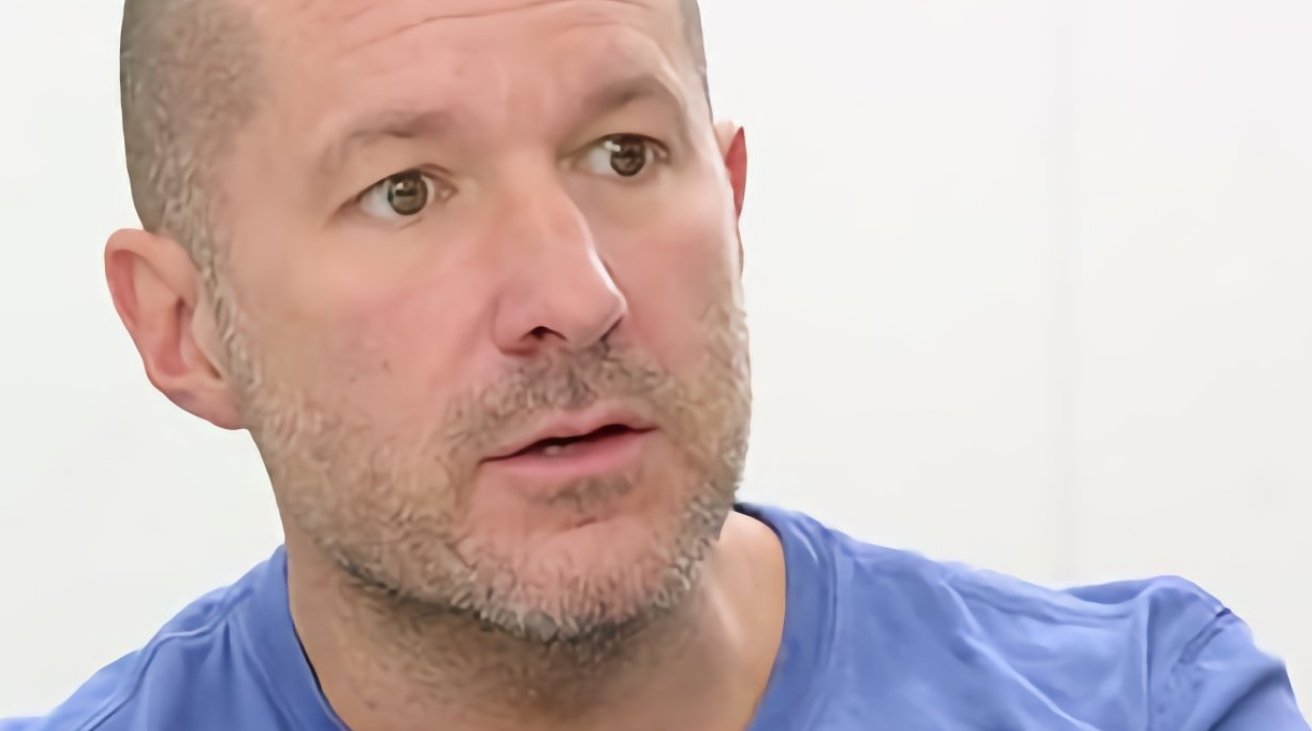
Jony Ive talks about Apple's ethos
But I interviewed Jony Ive, and I asked him about that. He said that you feel care, even if you can't see it.
And I think what he means is if somebody sweats over the perfection of every single component, like overall, it gives the thing a vibe of having been sweated over. You know, it makes you feel good about the end result.
So I think that design stuff has never changed. The Mac was designed by 15 engineers. Can you imagine Apple coming up with a new product today with 15 people? Uh, the answer is no.
But there is a through line of small teams working in isolation. The iPhone is a great example. The iMac, the iPod. These were all small teams often working in a separate building without corporate meddling.
And they come up with great work. There are some things that are not through-lines. The Tim Cook era has introduced some values and some themes that were not there during the Steve era.
Some of them are admirable. You know, he's much more into inclusion and charity and sustainability.
Those become corporate goals but Steve Jobs wasn't really worrying about them when he was just trying to build the company.
But an amazing number of people would say that this business of over the top obsession over details and knowing when to leave out features instead of put them in, small teams, excellence, going the extra mile, that stuff is still there.
It's a tough place to work, you know, people burn out. A lot of people can't stand it and they leave. The ones who buy into this philosophy of excellence and going the extra mile, they tend to stay for decades.
I mean, if you look at the executive staff right now, those guys have been there 20, 30, 40 years and say there is nothing like working inside of Apple. I mean, just this culture of polish and getting it right is not something you hear at other companies.
Why has no company matched Apple?
DP: Jony Ive said something that hasn't left my head. I asked him, why doesn't why don't people just recreate the Apple formula at another company? How come there hasn't been a company with as many world changing hits as Apple?
And he said that at Apple, our goal is to make the best blank in the world — the best phone in the world, the best laptop in the world. That's not the goal of other companies.
I'm like, what? What are you talking about? You don't think Google says the Pixel is the finest smartphone in the world?
No, he said, other companies just don't have that as the goal. They have many other priorities, but like making the best blank in the world is not how they start out building a product.
WG: That feels like something Apple is able to do now because it has a lot of money. But are you saying that it was always like that, even when it wasn't a multi-trillion dollar firm?
DP: That is the argument. So one of the things I had to tackle in the book was Steve Jobs and, you know, you hear about the way he would abuse his lieutenants and his workers, I mean, just rip them apart.
They'd stay up all night coming up with some new feature or software algorithm, and he'd say, it just, he'd throw it on the floor, and he'd say, this is ****, I would be embarrassed to ship this.
He would destroy people, he drove them so hard. People got sick all the time. I mean, the marriages, the relationships that fell apart, it was brutal.
And yet, there are two ways of looking at that. And as I interviewed these people, these two things came out.
One was, yeah, he was abusive. He was a cruel person. And as Andy Hertzfeld said, it was more of a bug, not a feature. Like, he could have gotten the same results without ripping people apart.
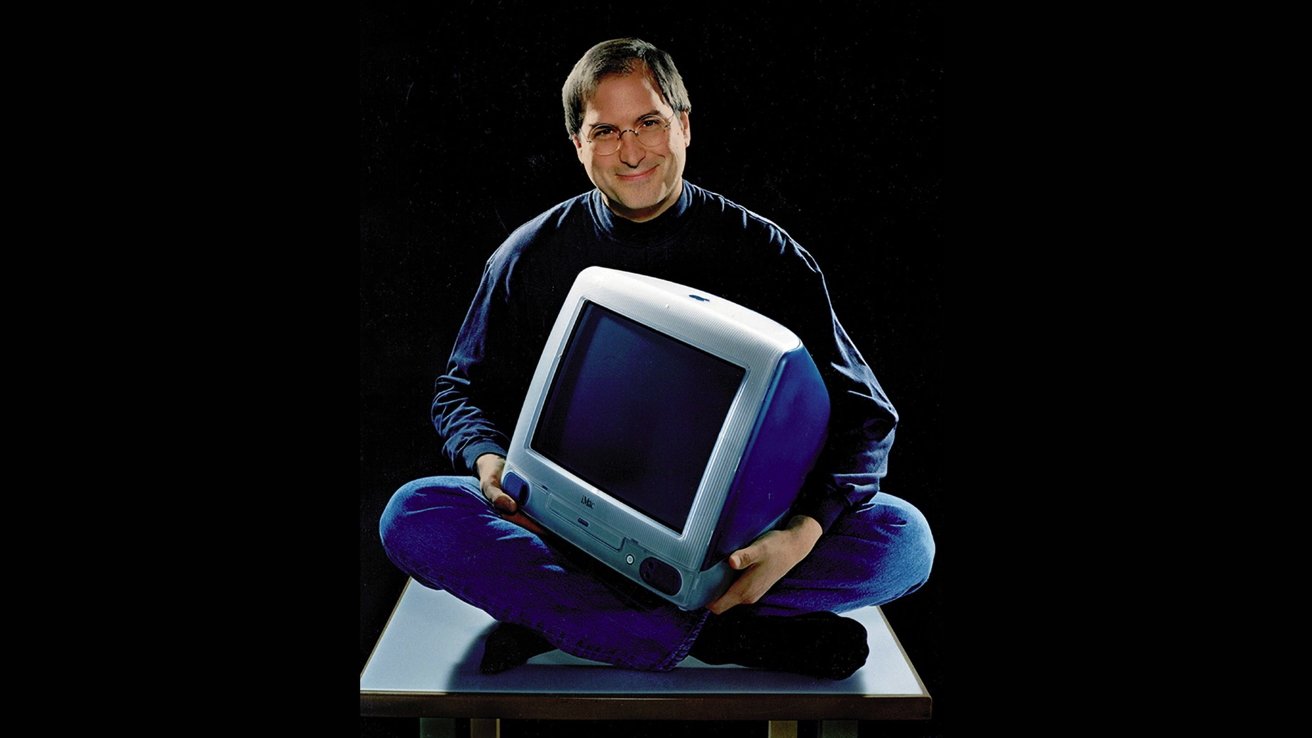
Steve Jobs, famously sitting with an original iMac
The other way of looking at it is that he squeezed from these people, more productivity, creativity, and genius than they would have been in their comfort zone. So he literally drove people to do their best work.
And I think that's the answer to the question. So when they didn't have money, when they didn't have resources, what they had was people who were pressed to do astonishingly genius creative work that that overcame the lack of resources.
Let's remember, Steve Jobs really didn't have any hits during his first years at Apple, right? So the Lisa was a failure. The Macintosh was essentially a failure — it trickled along, but it did not sell in the early days.
It wasn't until he came back after 11 years away that he came up with the iMac and then the iPod and the iPhone and so on.
So at that point, John Sculley had made the company ten times bigger, and now they did have some resources.
"Apple: The First 50 Years" by David Pogue is now available on Amazon.