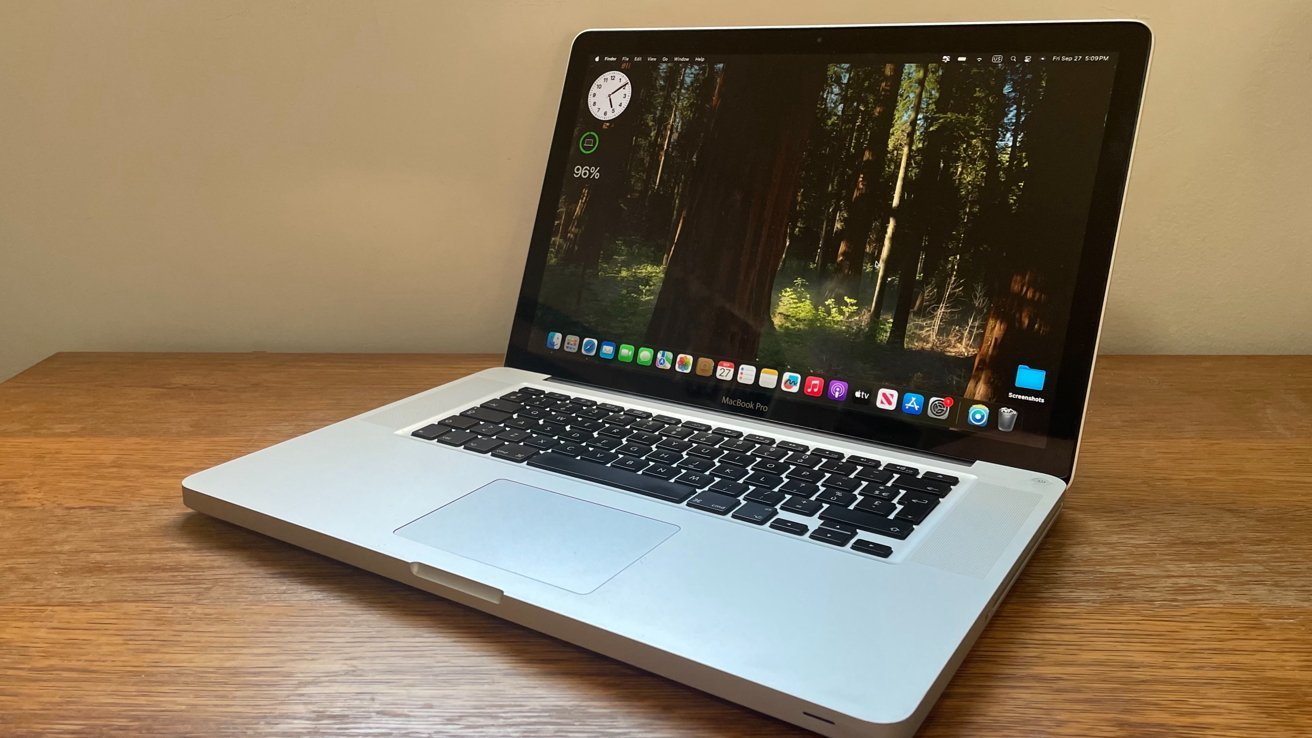
The odds of getting macOS Tahoe running on unsupported Intel Macs are now worse than ever, as the OpenCore Legacy Patcher is seeing the signposts on the road, and has stopped accepting donations.
With every macOS release, Apple ends support for select Mac models. Typically, the iPhone maker discontinues support for machines that are several years old and lack the hardware required for the latest user interface elements or features.
For years, developers have found ways around Apple's restrictions, with the OpenCore Legacy Patcher bringing macOS Big Sur through macOS Sequoia to Intel Macs dating back to 2007.
However, macOS Tahoe has proven to be quite the challenge for the ever-shrinking team. Aside from difficulties with T2-equipped Macs and the usual missing drivers, the key figures of the project have unfortunately moved on.
Mykola Grymalyuk, the lead developer, for instance, is no longer affiliated with the OpenCore Legacy Patcher, having accepted a position at Apple. Other developers have left as well.
Consequently, development has slowed down, and the OCLP team announced on March 22 that donations will no longer be accepted. The future of the project itself is also uncertain, as macOS Tahoe will be the last release of macOS to support Intel-based Macs.
Regarding macOS 27, the OpenCore Legacy Project developers say they "do not know if any Apple Silicon Macs will become unsupported anytime soon, and if they are, whether developing a patcher is feasible."
Nonetheless, efforts to bring macOS Tahoe to older Intel Macs are still ongoing, even if there's no clear release timeline. It remains to be seen just how long we'll have to wait to see macOS 26 running on older Apple hardware.
What to do while we wait for macOS Tahoe support
For the time being, users of select Intel-based Macs have the option to update to macOS Sequoia using the OpenCore Legacy Patcher. You'll even be able to install the latest macOS 15.7.5 security update, released on Tuesday.
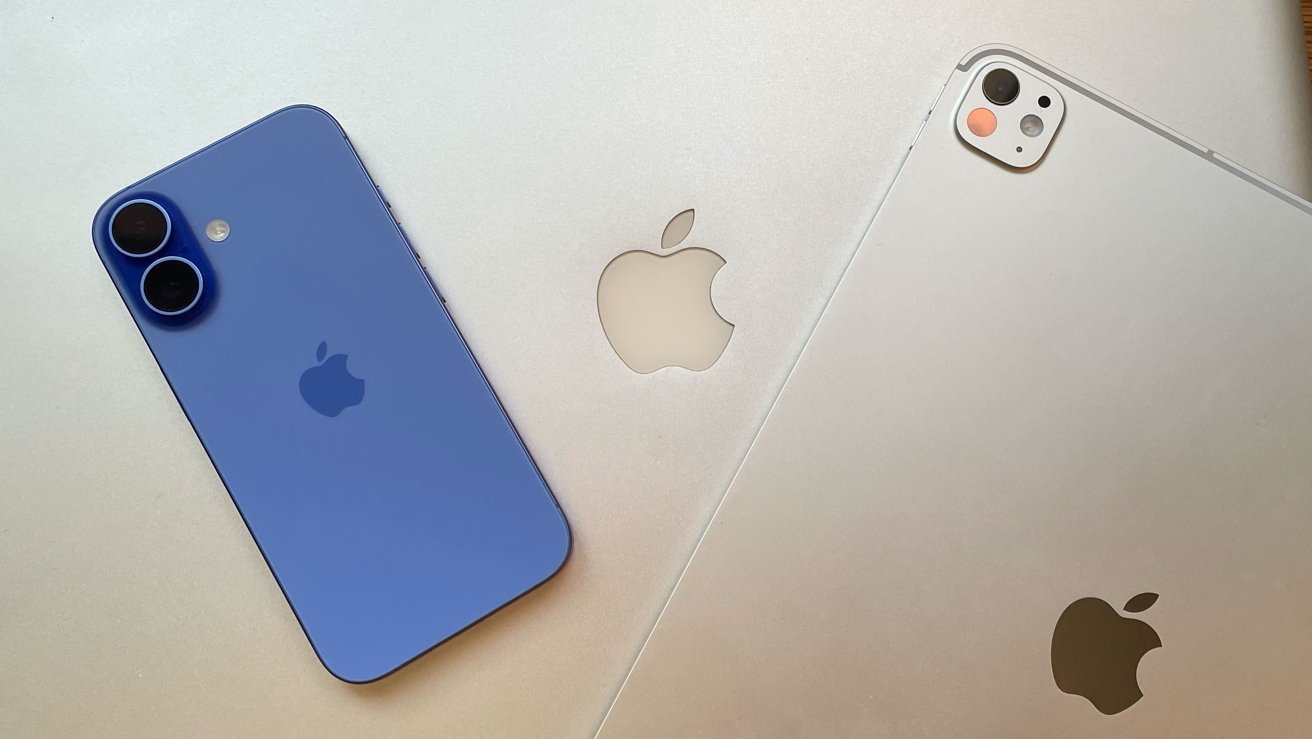
An older Mac, running macOS Sequoia via OCLP, can still be part of your modern-day Apple ecosystem.
OCLP is worth using if you have a Mac with a Metal-compatible graphics card, as is the case with most Macs produced from 2012 onward. Owners of 2008 and 2009 Macs, meanwhile, will have a better experience running macOS Monterey instead.
The OpenCore Legacy Patcher is effectively an essential tool for anyone with an older Intel-based Mac. Some of us at AppleInsider have come to rely on the utility, as OCLP is more or less the only way of keeping a decade-old Mac usable.
Ultimately, while we'll have to wait a while for macOS Tahoe to make its way to unsupported Macs, the project is still chugging along. In other words, even with all the setbacks the OpenCore Legacy Patcher is facing, there is still hope at the end of the day.