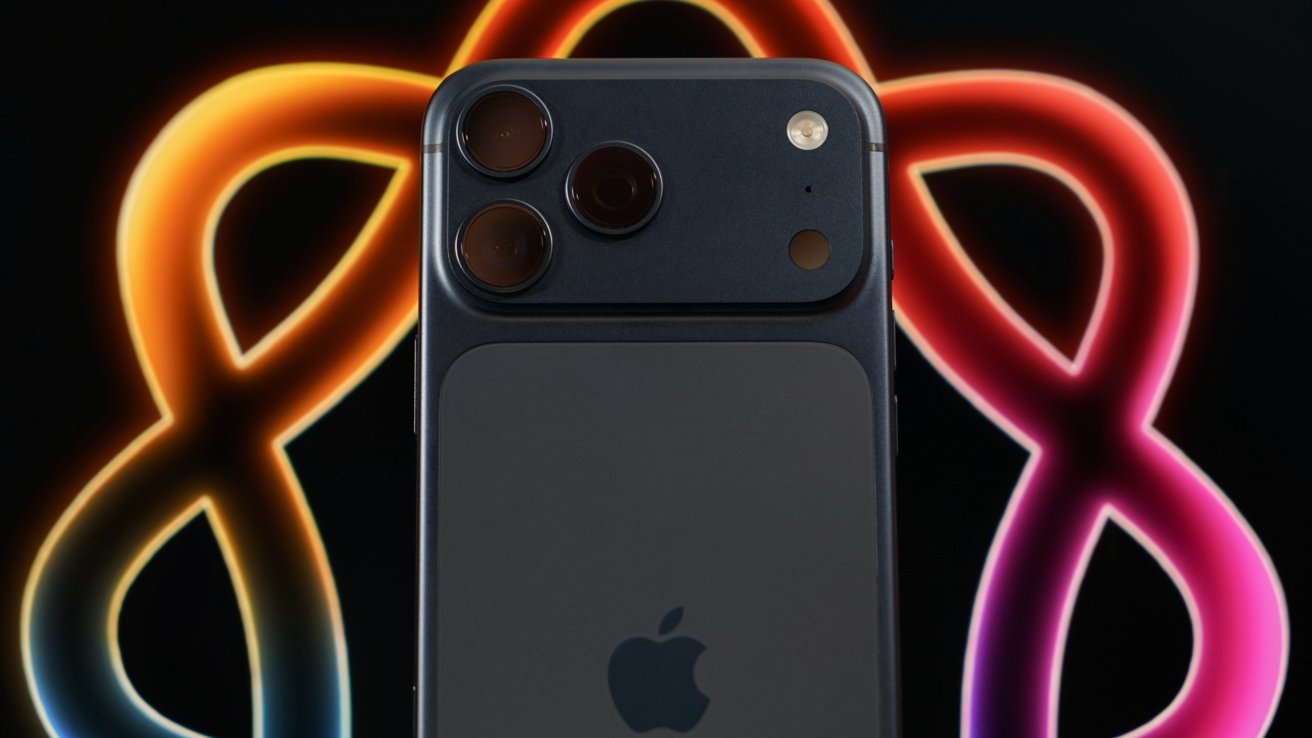
The iPhone 17 Pro Max has a flashy new exterior paired with a rethought interior that maximizes consumer interest while being the most-pro iPhone yet.
Apple did something interesting with its iPhone lineup in 2025 by putting a fork in the product ladder. Previously, you'd start at iPhone 17 then climb up one tier at a time to iPhone 17 Pro Max.
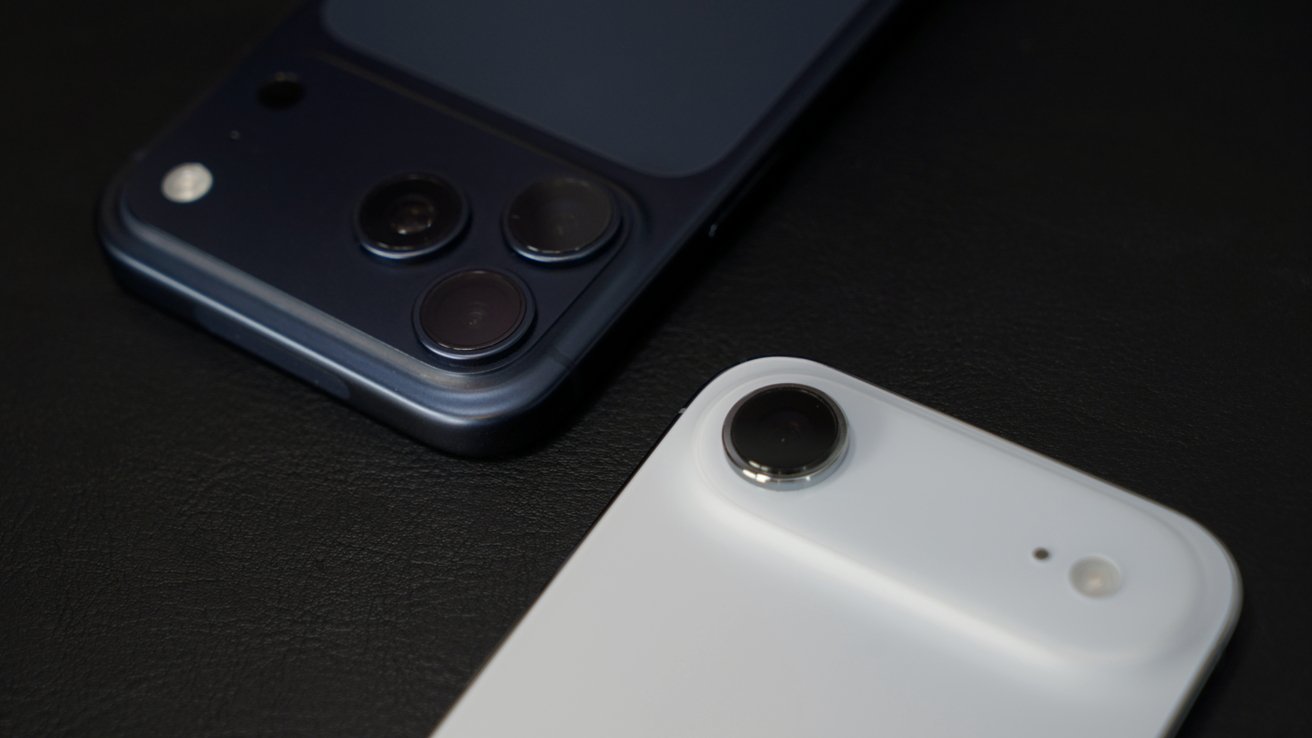
The iPhone Air, reviewed here, is a parallel track. This branch has already created confusion in purchase decisions, which Apple welcomes.
The best way I can explain this change is Apple is changing what it means to be a "Pro" iPhone. Instead of being a synonym for "premium" or "flagship," it actually, finally, tries to mean professional.
Mike Wuerthele and I are examining the iPhone 17 Pro Max through this new strategy and what it means for those considering the device over the iPhone Air. It is also important to establish this new strategy now.
iPhone 17 Pro Max review: Apple created a tough choice for premium buyers
Rumors about the iPhone Fold started while I was still in the Navy, and picked up after I signed on here in late 2019. If the rumor mill is to be believed, the iPhone Fold will be placed above the iPhone Air, not the iPhone Pro.
What Apple delivered in the iPhone 17 Pro Max is the culmination of years of extensive changes to cameras, Apple's processor, and the introduction of Apple Intelligence. I believe it earns the "Pro" moniker more now than ever, and that changes everything for potential buyers.
There's a lot to discuss about the iPhone 17 Pro as a whole. Strap in.
iPhone 17 Pro Max
iPhone 17 Pro Max review: Display
Apple didn't change much about the iPhone 17 Pro Max display other than increasing its peak outdoor brightness to 3,000 nits. Beyond introducing new technology, like the tandem OLED used in iPad Pro, I'm not sure what else there is to do in this space.
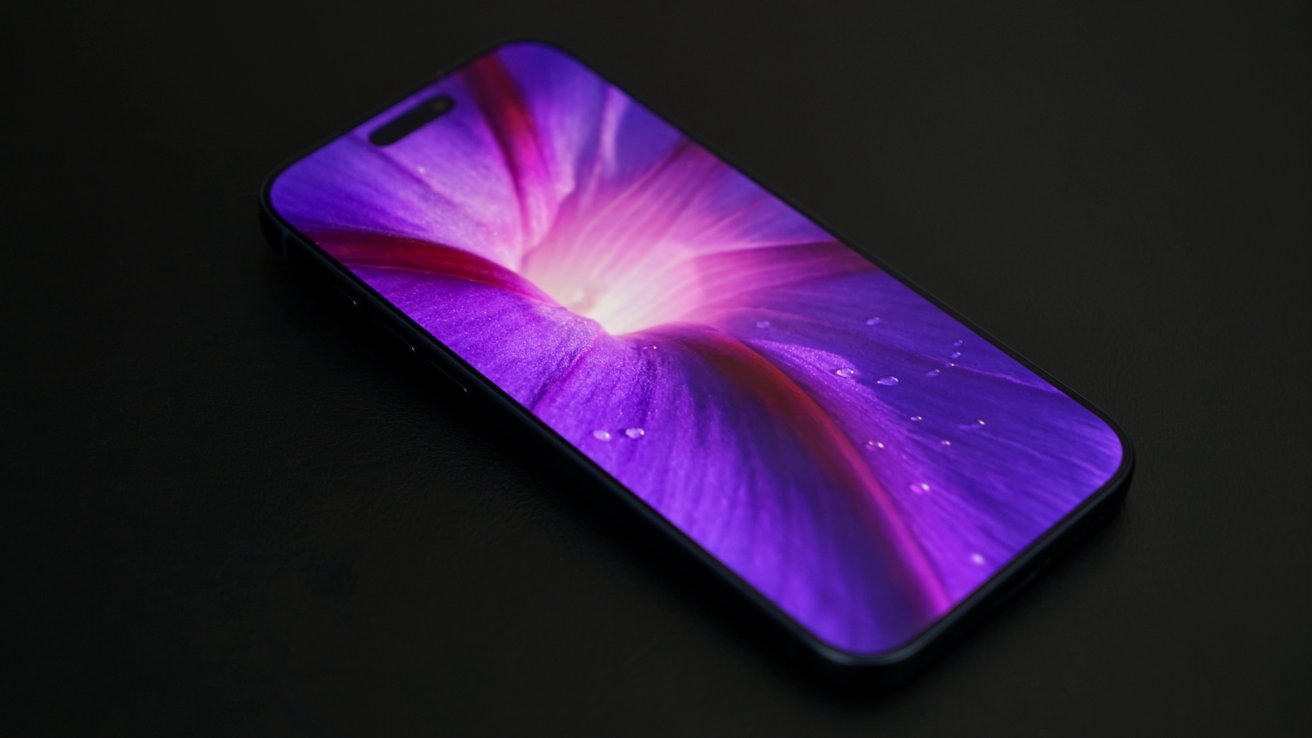
iPhone 17 Pro Max review: a brighter display
The iPhone 17 Pro Max has a 6.9-inch Super Retina XDR display with ProMotion, Always-On, and a Dynamic Island. If you used the iPhone 16 Pro Max, you've seen this display already.
However, that new peak brightness is nothing to sneeze at. The display is visible in all but the brightest sunlight. Heat isn't an issue thanks to vapor chamber cooling, but more on that in a bit.
What's interesting with the 2025 lineup is the display is no longer being used as a differentiator. No matter which iPhone you buy, you're getting this brighter Super Retina XDR display with Ceramic Shield 2.
I won't scratch my own device on purpose with more commitment to entertainment than the scientific method, like YouTubers have. As it should, it'll take some months to see if that Ceramic Shield 2 is better in actual use.
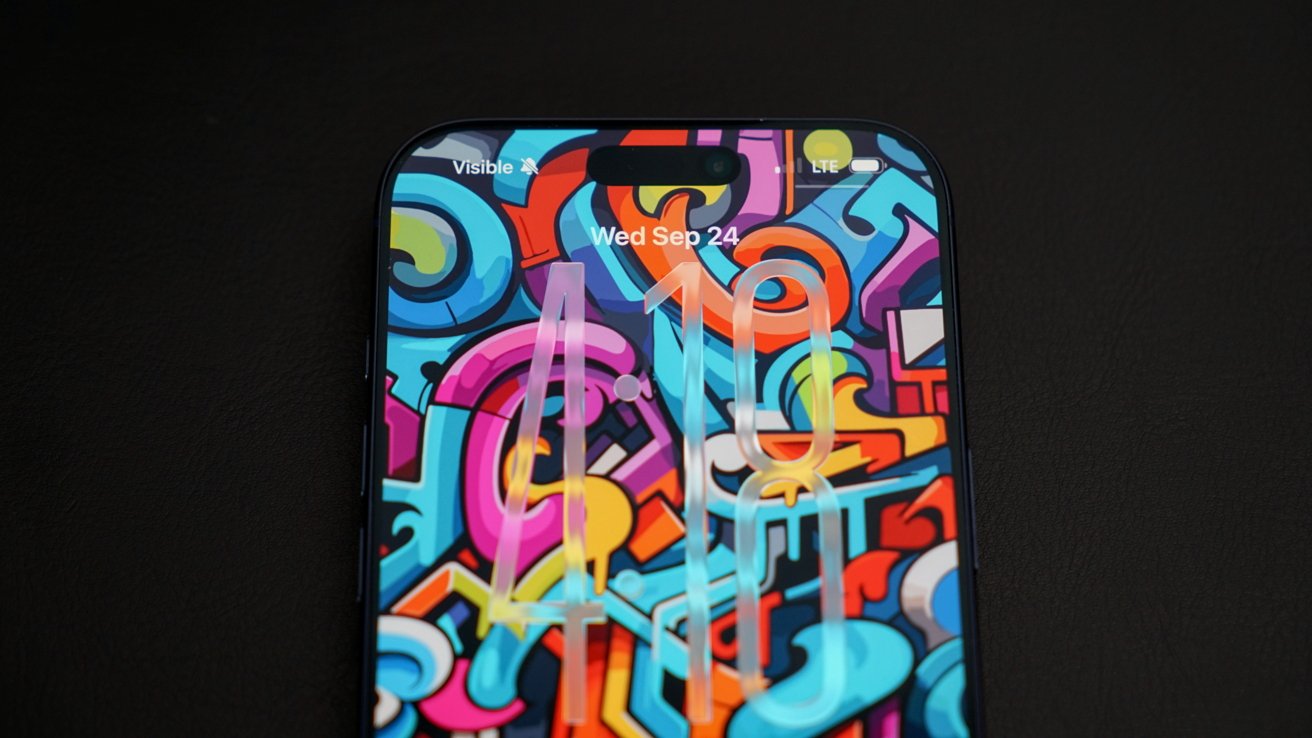
iPhone 17 Pro Max review: the Dynamic Island and other display features are unchanged
Regardless, the display is as crystal clear as ever. I won't be putting a screen protector on it.
Apple lifting up its other products with this excellent display shows that the company believes it can differentiate its pro lineup with other features. The display is a human interface surface, after all.
It doesn't make sense to restrict the best specs to the highest end model if cost isn't a contributing factor.
iPhone 17 Pro Max review: Design
The iPhone 17 rumor cycle was a roller coaster. The initial rumors of camera bars, and those ugly first renders, had me doubting the whole thing.
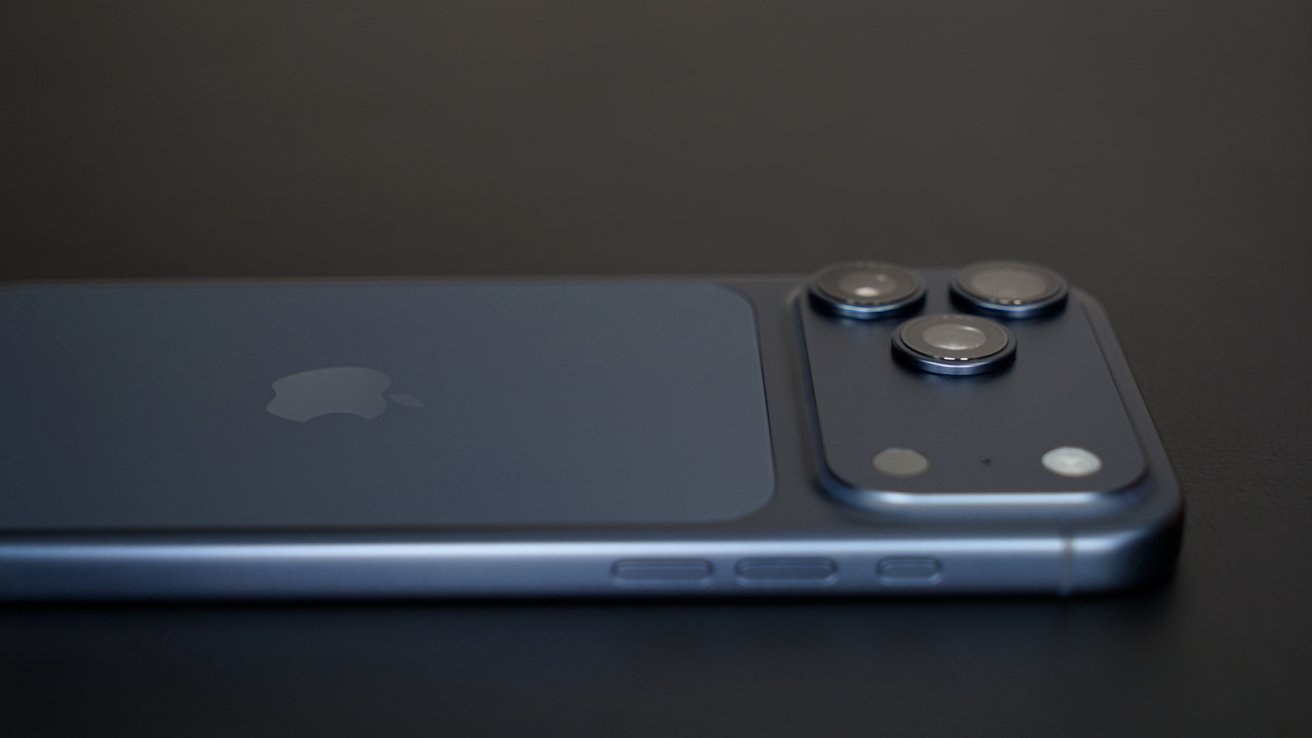
iPhone 17 Pro Max review: a significant design departure
As the final design began to emerge, I started to understand that Apple's industrial design would likely make the final product look fine. In the end, even though our render artist did the best that he could, Apple won me over with the new look and feel of the iPhone 17 Pro Max.
The iPhone 17 Pro Max is 6.43 inches tall, 3.07 inches wide, and 0.34 inches deep — a tad bigger in each direction. It weighs 8.22 ounces, which is still less than the heaviest iPhone 14 Pro Max with stainless steel at 8.47 ounces.
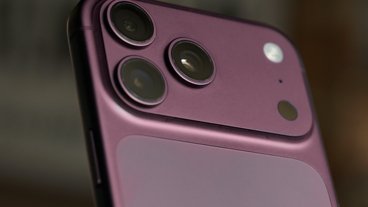
The camera bump is now a full-width camera plateau that even integrates the antenna. This design kind of brings an odd symmetry to the iPhone where the camera bump set everything to one side previously.
Like the iPhone 16 Pro, it sits well in the hand. I originally thought that the camera protrusion would be a balance issue, and make it top-heavy.
Fortunately, it doesn't.
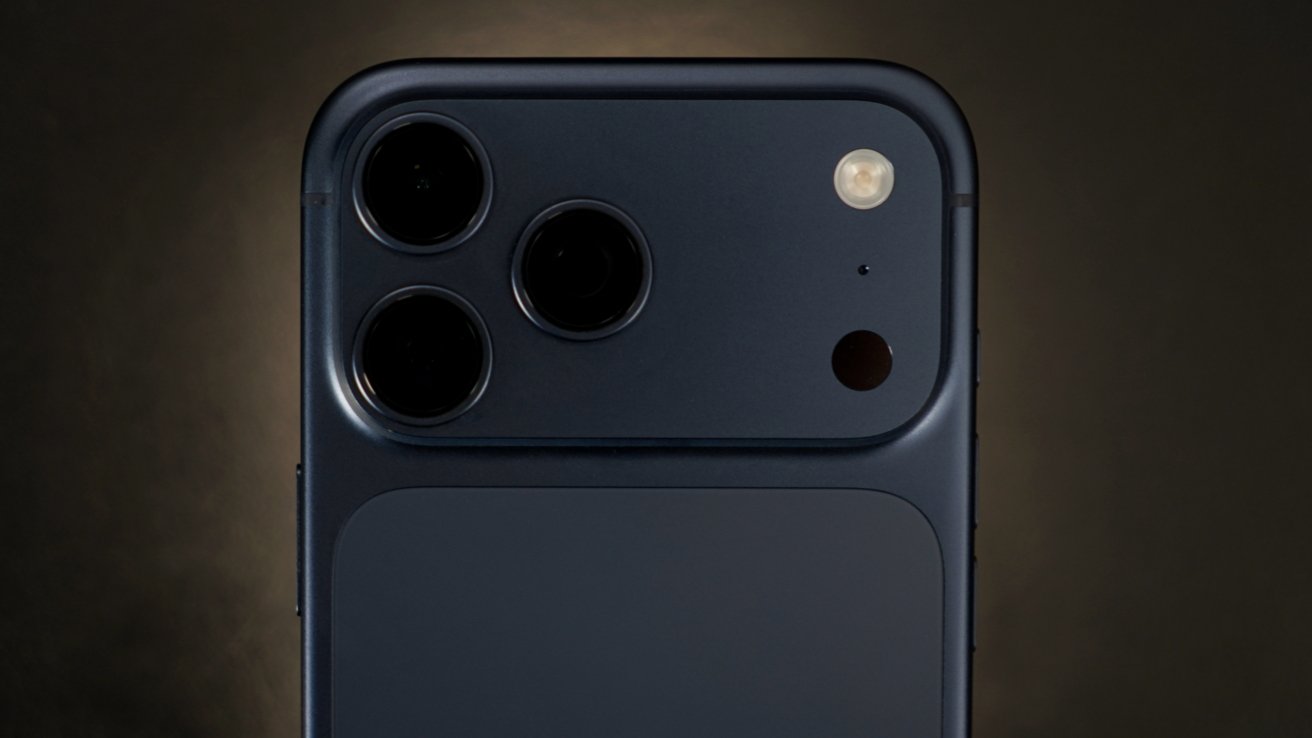
iPhone 17 Pro Max review: the camera bar houses most of the device's chips
Instead of titanium, Apple opted for a unibody aluminum frame with a ceramic shield plate covering the MagSafe portion. The new layout creates a more durable structure and a kind of two-tone design.
There's a lot to be said about the materiel change in the frame. There are pros and cons to every engineering decision. We'll be talking about the differences between Apple's stainless steel, titanium, and aluminum frame decisions soon enough.
In short, and for now, titanium would have been prohibitively expensive as the main element in a unibody frame that has more waste and more material then the previous frame. It also would have been less thermally conductive and much heavier.
It makes sense why Apple went back to aluminum, but I understand why some iPhone Pro buyers feel a bit funny about it. Apple spent a lot of time hyping up titanium as the ultra-premium material in the past two iPhone generations.
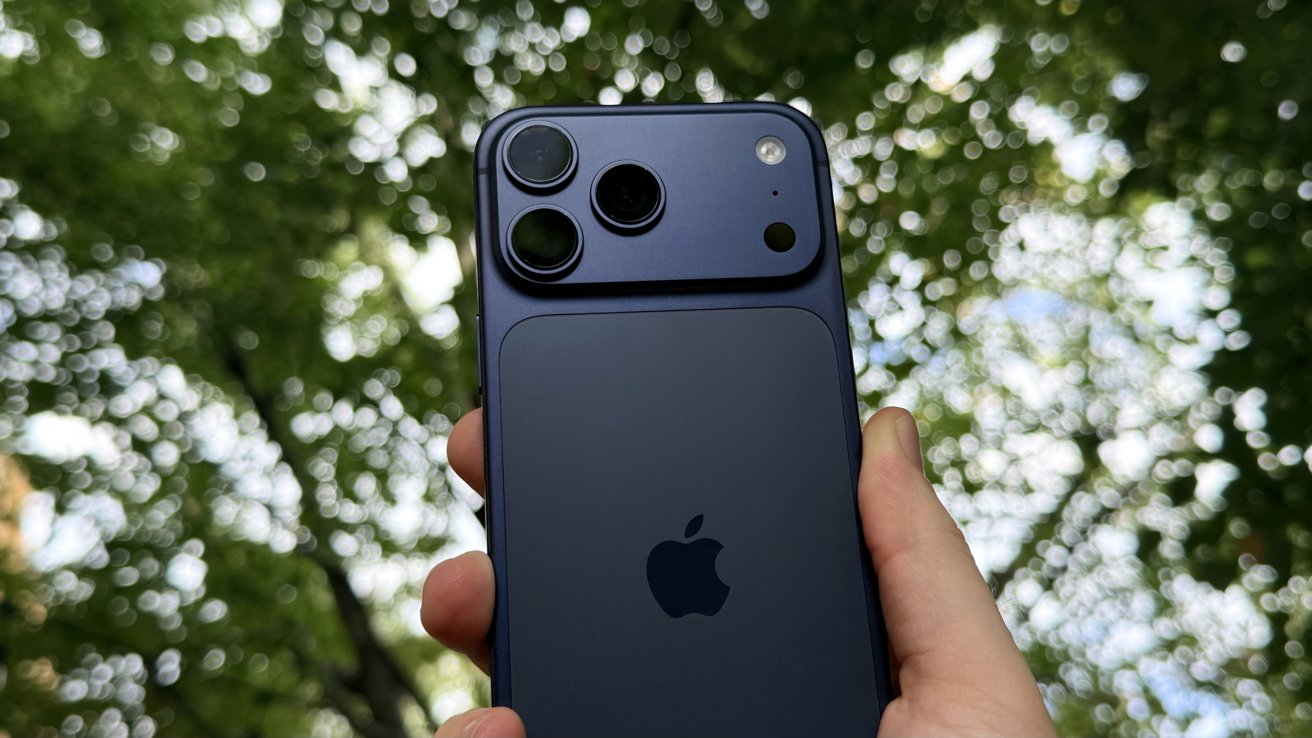
iPhone 17 Pro Max review: aluminum provides better colors anyway
Apple moved to titanium with the iPhone 15 Pro Max, which was likely designed over the previous three years. Titanium is a great material overall, and has better tensile strength than aluminum does. It is also more expensive per unit, and has poorer thermal characteristics for smartphone use.
Shifting back to aluminum feels important for durability and construction, but it is equally important for the new role AI plays in smartphones — and the consequent heat generation. It is a smart and rare move for Apple to choose function over form.
Outside of those changes, there's not much to remark on. Camera control is back and completely unchanged, the Action button is there, and 10 gigabit USB-C is at the bottom.
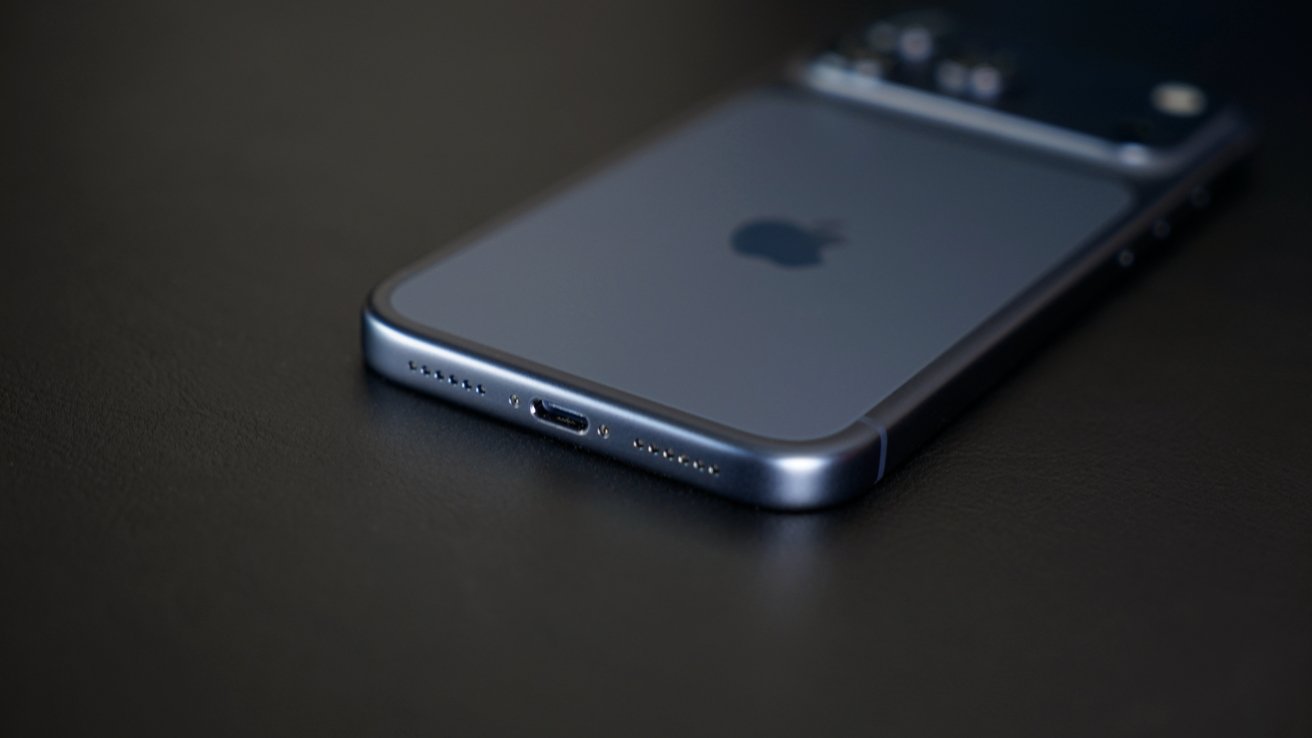
iPhone 17 Pro Max review: Apple could seal off the case for an improved water resistance rating
The iPhone 17 Pro Max has the same IP68 rating, which offers protection up to 6 meters for up to 30 minutes in ideal conditions. It's incredibly frustrating that Apple can't do anything more with its water resistance rating.
I don't want to go deep sea diving with my iPhone, but I'd like to know I can capture a photo in a swimming pool without a waterproof case. The unibody frame may eventually enable something interesting here, but Apple will need to further close up the buttons and port first.
And of course there's the colors. I went with the deep blue option, but there's also silver and cosmic orange.
I would have liked to see this design with space gray or black, but it's not the end of the world. Perhaps Apple will release black mid year just to tick everyone off.
At least the blue is noticeable in the iPhone 17 Pro Max. The iPhone Air sky blue may as well be white in most lighting conditions.
Action button and Camera Control
The Action button is a welcome addition that appeared in the iPhone 15 lineup, but I'm still struggling to remember it is there. Either I need to come up with an amazing use case or make it something simple, or else it'll never get used.
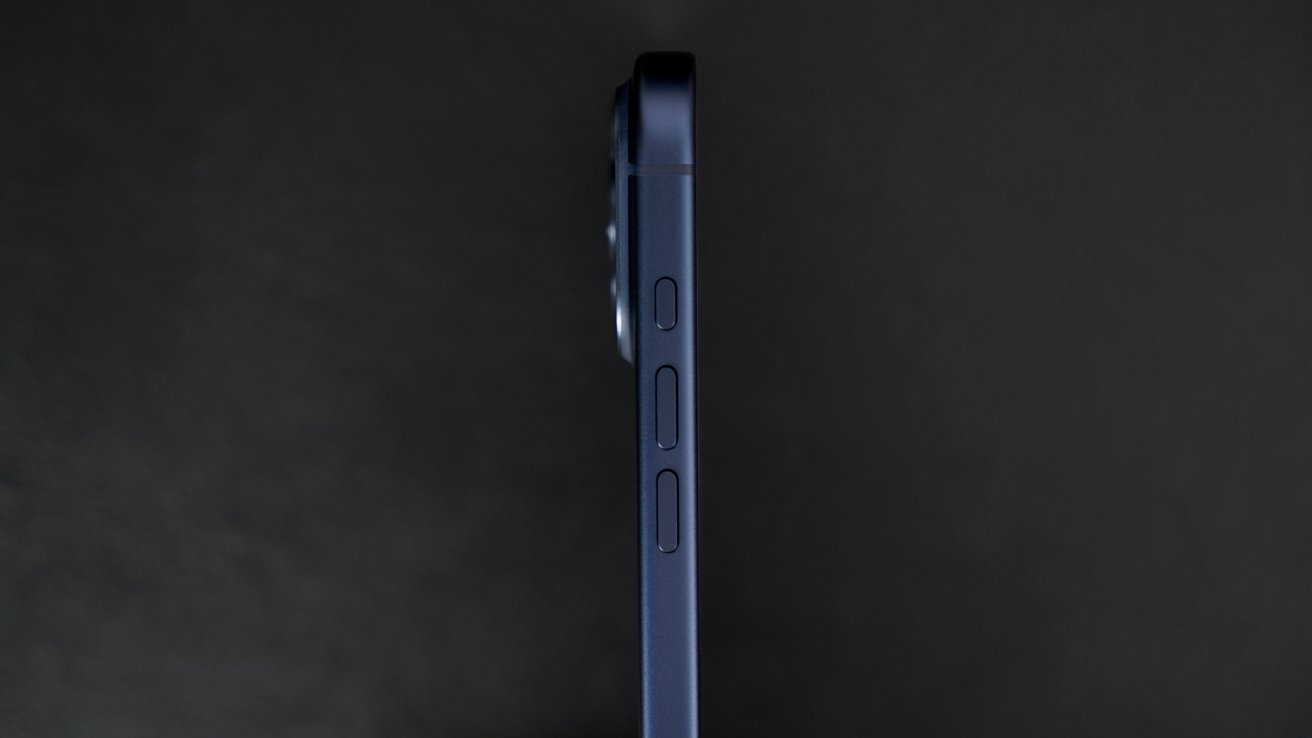
iPhone 17 Pro Max review: the Action button returns
I currently have it mapped to a Shortcuts folder, but clearly my brain doesn't click with that.
The Apple Watch Ultra 3 is my first Apple Watch with an Action button. I kept things simple by having it perform the default action of opening Workouts, so perhaps a similar simplicity will benefit me on iPhone.
For me, Camera Control doesn't suffer from the same problem. It is genuinely useful as a camera launcher and shutter button, but the slippery controls for everything else aren't ideal.
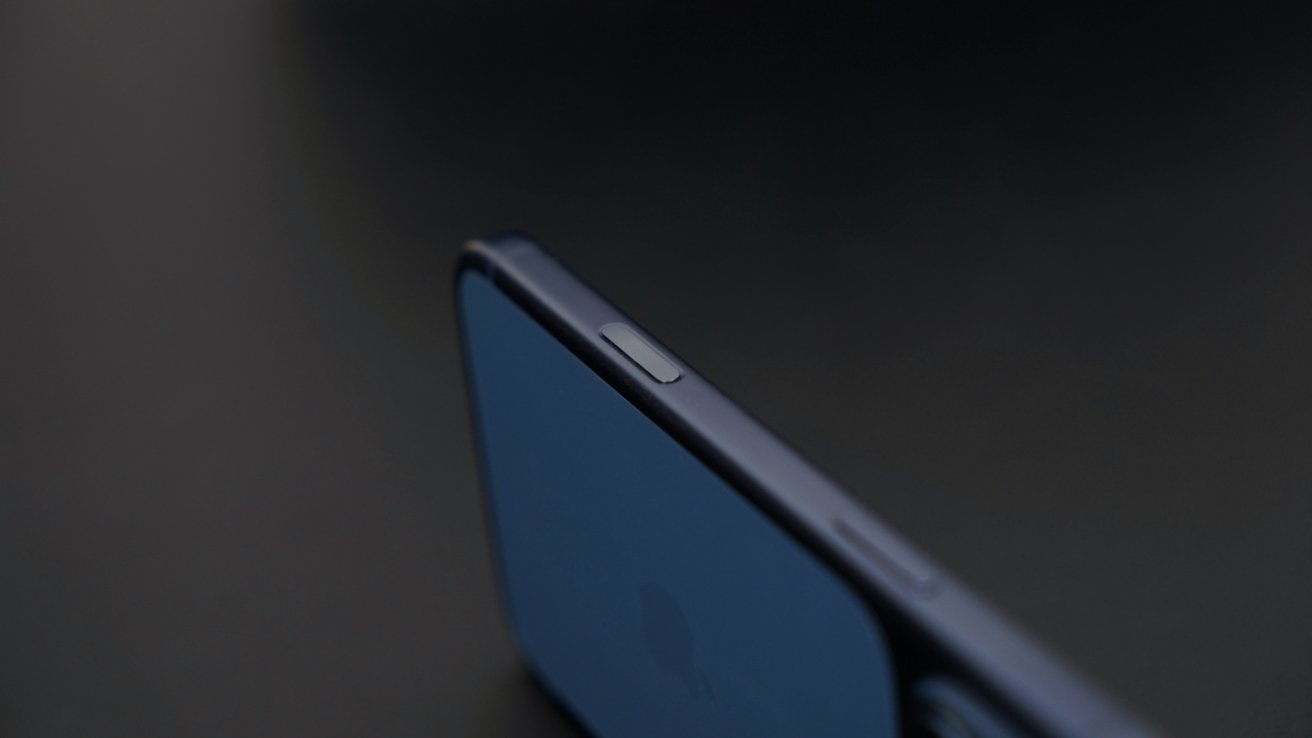
iPhone 17 Pro Max review: Camera Control is still fiddly
I tend to use the controls on the display more often than Camera Control. However, sometimes my fingers land at the perfect position to actually use Camera Control for zoom, but I have to be deliberate about it.
Mike is clear about his disdain for the button. It is very much a workflow situation for him, but he and I agree that we'd have liked it very much if Apple had given the button more attention with the iPhone 17 Pro.
Simple is likely better for both of these buttons, so I'll pull back on their functions to ensure actual use bears out. I can always add more functionality back later if needed.
iPhone 17 Pro Max review: 48MP Pro Fusion camera system
Cameras, not performance, are the main upgrade reason in iPhones. Everybody has a different use case, close-ups of flowers and butterflies is far, far different than taking a shot of a kid mid-run or fireworks from a distance.
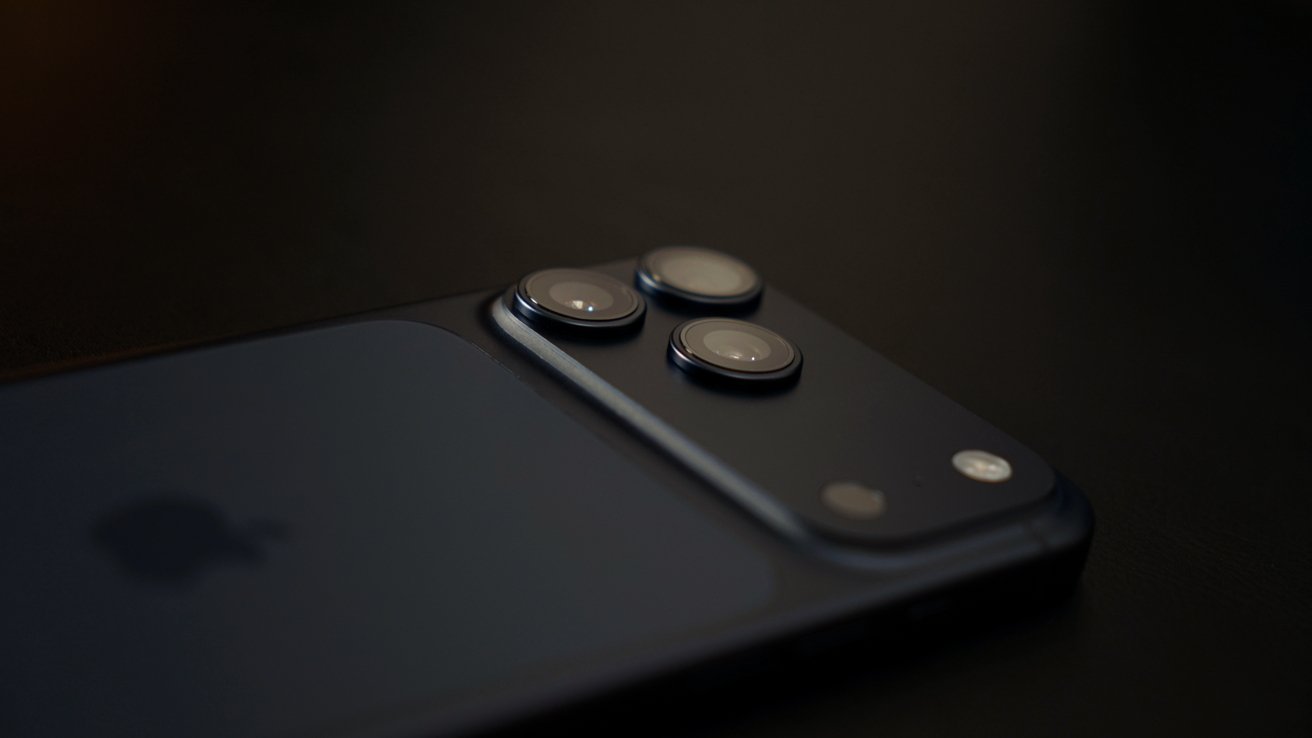
iPhone 17 Pro Max review: even more camera improvements
And then, there's selfies, and videography.
As expected, all of the iPhone cameras are center stage once again, especially the new Telephoto camera. Though, the upgraded selfie camera might steal the show.
All three lenses are 48MP and deliver 24MP or 48MP photos depending on the camera features in use. Apple's "eight cameras in three" is getting some extra criticism this year, but mostly thanks to the use of the new term "optical like."
Apple has been binning sensors and cropping in to get different shooting styles out of the same camera for a while. However, Apple's marketing is increasingly treating these "extra" cameras as actual lenses.
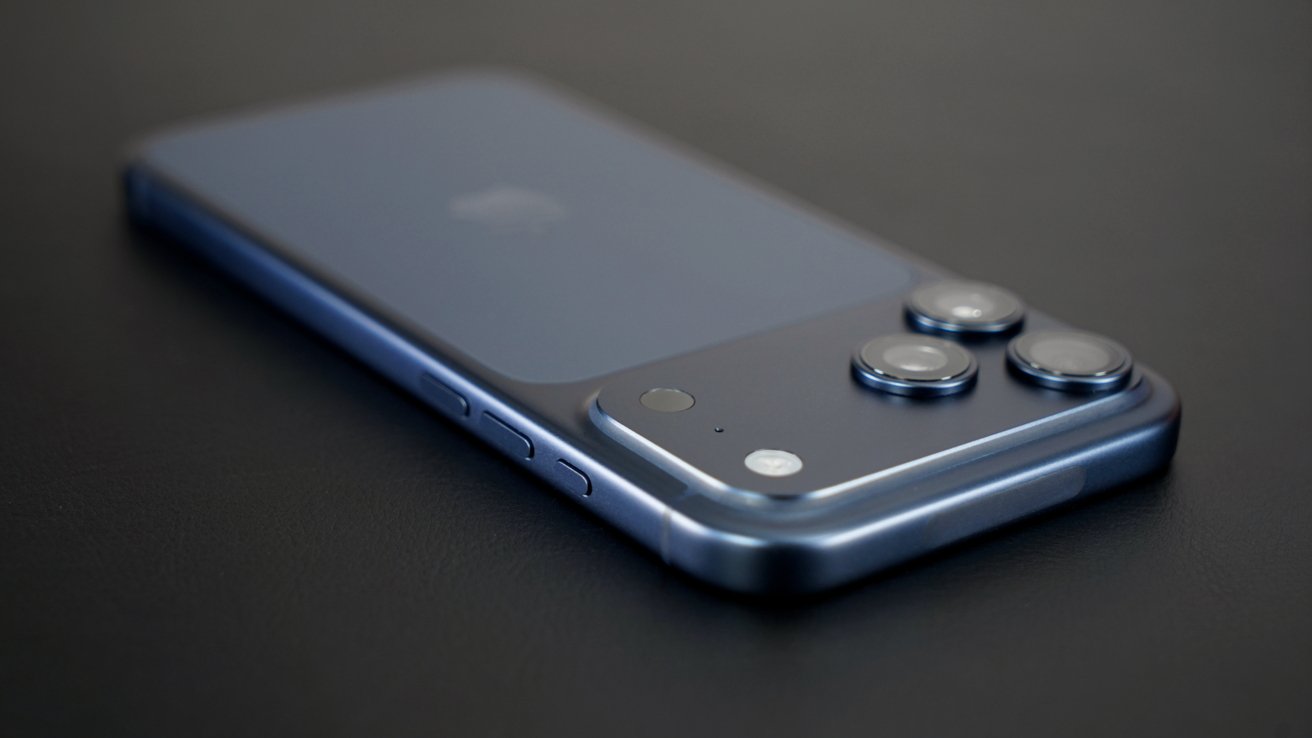
iPhone 17 Pro Max review: the camera bar houses a lot more than cameras
A 2x crop on the Main or Telephoto sensor isn't a whole new camera, and that's ok. However, there is a lot more going on than a simple crop too.
And through my testing of this latest camera system, I can say each of these eight cameras do provide unique utility for every situation. Apple counts them based on their technical focal lengths they provide — Macro, 13mm, 24mm, 28mm, 35mm, 48mm, 100mm, and 200mm.
I'll dive into each and where they work best and how they compare to the iPhone 15 Pro Max.
48MP Fusion Main camera
The Main camera is the baseline 1x sensor at 24mm. The other camera "zoom" multipliers are based on this lens.

iPhone 17 Pro Max review: the Fusion Main camera still delivers excellent detail and range
It's identical in spec to the previous generations of iPhone going back to when the 48MP sensor debuted in the iPhone 14 Pro Max. Changes to the photographic pipeline, physical lenses, and the image signal processor have resulted in noticeable improvements over the years.
There's not much to say about the 1x camera in the iPhone 17 Pro Max that hasn't been said in previous generation evaluations. It captures sharp, color-accurate photos and can be customized with reversible Photographic Styles or the use of ProRAW.
I'm fairly happy with the performance of the Fusion Main camera. It is the default for a reason, and I love the range it provides.

iPhone 17 Pro Max review: the Main camera performs especially well when combined with Photographic Styles
The next three cameras in Apple's questionable "eight" all exist within the Fusion Main camera. Those are the 28mm, 35mm, and 48mm focal lengths, or 1.2x, 1.5x, and 2x respectively.
Users can switch to a full 48MP shooting mode, but it results in changing the image pipeline slightly. You'll get a sharper image, but lose dynamic range.
For best results, I tend to use 24MP in HEIC with a custom Photographic Style. It keeps files sizes small while maximizing dynamic range and the Photonic Engine's ability to produce the end result.

iPhone 17 Pro Max review: 24MP photos are captured anywhere between 1x and 2x
ProRAW cuts out some of that processing but includes some of the data in a package alongside a DNG file for improved editing. These files are huge of course, so I use ProRAW sparingly, especially since I tend to get the results I want with Photographic Styles.
Every photo captured from 1x to 2x has a 24MP resolution. Apple also applies algorithms during capture at these ranges for best results, so you'll always get a better photo using the "optical like" lens versus cropping later.
It's an important distinction and why Apple can get away with its eight cameras claim. You're not getting a worse "cropped" photo with 2x, you're just capturing a photo using the middle of the sensor and different algorithms.
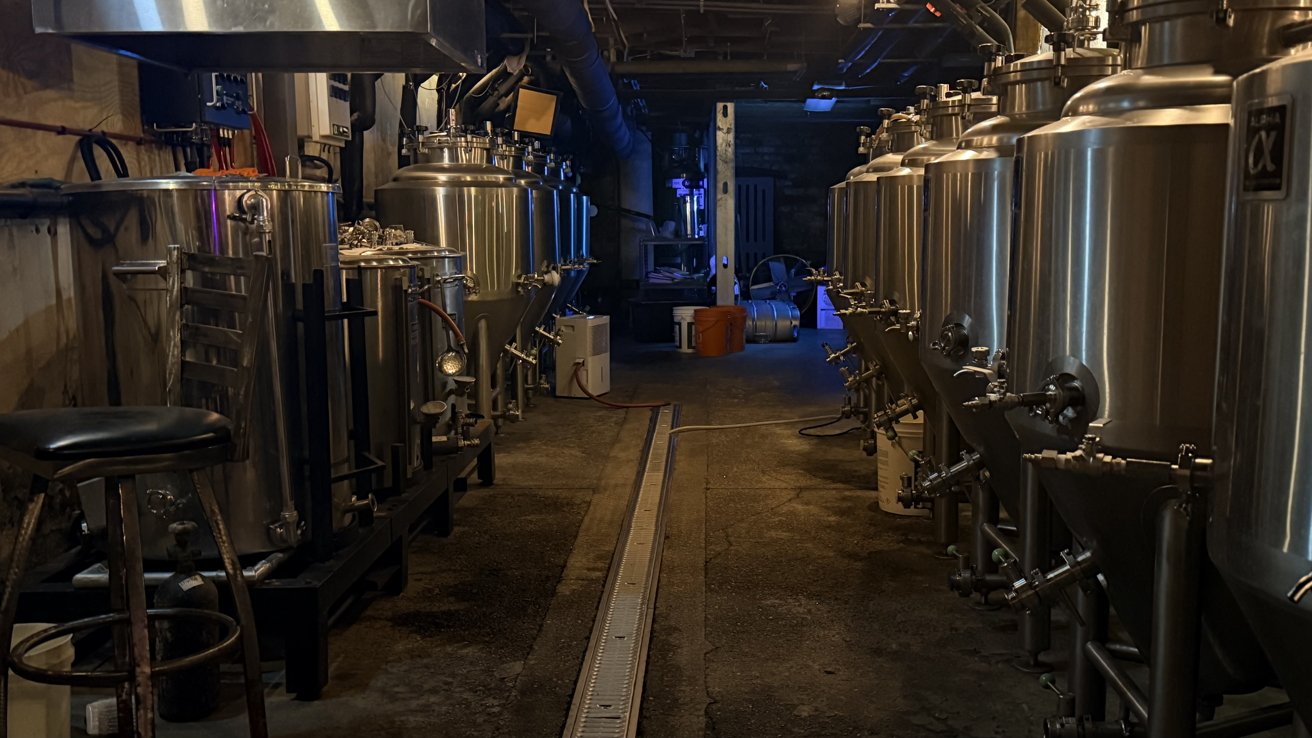
iPhone 17 Pro Max review: the Main camera still does great in low light, no Night Mode required
My default lens is the 1.5x 35mm because it feels like the perfect length for most photos. It provides a nice natural bokeh if the subject is close, but not too close because the Fusion Ultra Wide will take over.
It is frustrating that the minimum focus distance of the Fusion Main camera is around six inches. That might sound like plenty, but try to take a photo of a pet or plate of food and you'll notice how quickly you're switching to the Fusion Ultra Wide camera and taking a 12MP macro photo.
Apple doesn't discuss this, but the range from 2x to 4x is also covered by the Fusion Main camera at 12MP. The results aren't terrible, and note too that the 5x optical Telephoto camera was 12MP in the previous generations as well.

iPhone 17 Pro Max review: zoom with your feet and keep it between 1x and 2x for best results
I tend to avoid the middle range since you're losing more and more of the effective sensor size. However, I will need to try using it more just to see if the results are livable.
Generally, it will always be better to zoom with your feet. If you're at 3x, just take a few steps forward when possible and shoot under 2x.
I'll detail the upgraded Fusion Telephoto camera later, but first let's talk Fusion Ultra Wide. It's the camera that takes over from the Fusion Main in a lot of shooting situations, and sometimes without the user being aware.
48MP Fusion Ultra Wide camera
When Apple announced the 48MP Ultra Wide sensor in iPhone 16 Pro Max, I was excited. My initial review results showed promise in the sensor, especially when dealing with macro mode.

iPhone 17 Pro Max review: the Ultra Wide camera gives unique perspectives for some subjects
Now with the iPhone 17 Pro Max, I'm examining this lens a little more critically since it has gone unchanged. The "Fusion" name is just marketing for a feature that was already there, but it does imply more algorithmic involvement at certain zoom levels.
I very rarely purposefully select the 0.5x lens when taking photos. If I do so, it is for tight shots in a small room or to capture more scenery in a landscape.
The 0.5x shooting mode, like the 1x camera, gets 24MP output but can be pushed up to 48MP and changed to ProRAW as desired. Taking the 13mm camera to 24mm for macro mode, however, results in a 12MP photo.
It is interesting that when cropping into the sensor on the Ultra Wide and Telephoto cameras, users get a 12MP photo. Compare that to cropping in up to 2x on the Main camera and always getting 24MP.

iPhone 17 Pro Max review: macro photos let you peek into a much smaller world
I don't have an answer here as to why this happens, but my guess is the usable sensor area differs based on the three lenses' geometry. The Ultra Wide lens distorts the image outside of the center, while the Telephoto lens likely has a similar issue with sharpness outside of the center.
So, perhaps Apple is forced to use only the center 12MP portion of the sensor in both applications. The user gets access to more "optical like" cameras, but is unable to take advantage of the full sensor.
Even though I'm not using the Ultra Wide camera purposefully at 0.5x, I do use it frequently for macro mode. The macro feature is another of Apple's eight "optical like" cameras and always takes a 12MP photo.
Macro is generally used for ultra-close up photos of a subject, like flowers or insects. But Apple uses it more generally to refer to capturing photos within six inches of a subject.

iPhone 17 Pro Max review: getting up close to bugs can be interesting
I get a lot of use out of the macro feature and have the toggle set to appear in the Camera app. It can result in some incredible photos if you're particularly patient and learn how to properly angle the camera for close-up shots.
The macro camera is what enables spatial photos and video. It is also why the resolution of those photos and videos hasn't changed in spite of the sensor moving to 48MP.
The iPhone 17 Pro Max Fusion Ultra Wide camera performs similarly to the iPhone 16 Pro Max in most regards. There's likely some improvements in sharpness and detail capture thanks to algorithm and ISP updates, especially in macro mode, but only in areas the iPhone 16 Pro Max struggled in.
The real king of the iPhone 17 Pro Max camera system, at least in terms of year-over-year upgrades, is the Fusion Telephoto camera. It's a whole new system that provides much better results across the board.
48MP Fusion Telephoto camera
I was especially excited to check out the new Fusion Telephoto camera as the rumors suggested it would adopt a new focal length. The 4x 100mm spec is perfect for portraits and other kinds of subject-heavy photos.

iPhone 17 Pro Max review: 4x Telephoto can frame this pup without being too close to distract her
Then there's the ability to use the "fusion" part of the camera and jump to 8x at 12MP. It is a 200mm equivalent "optical like" focal length that's good for distant subjects and compressing the background into the foreground in landscapes.
Apple included a 56% larger telephoto sensor that jumps from 12MP at 120mm to 48MP at 100mm. It's a significant quality jump that transforms the Fusion Telephoto camera into a proper go-to.
There's a lot to love here.

iPhone 17 Pro Max review: 8x Telephoto gets higher quality shots at a longer focal length versus 5x
I liked the 120mm reach of the iPhone 16 Pro Max, but there were quality issues, especially in low light. That 12MP sensor was really not cutting it, especially when it sat next to a 48MP shooter.
Also, 120mm proved to be a little too much length for most common situations. I found it wasn't ideal for photographing portraits, and distant subjects lost detail.
So, the 4x 100mm is a happy medium. Apple's magic at producing consistent results across its three lenses stands out here.
When at a proper distance, filling the subject in the frame, the 100mm creates an excellent natural bokeh — no Portrait mode required. Colors, sharpness, and dynamic range are also as good as the Main camera.

iPhone 17 Pro Max review: good low light performance at a great 100mm focal length
While the 120mm camera was interesting, it didn't come up as useful enough during my regular photography. However, I've been toggling the Fusion Telephoto constantly since getting the iPhone 17 Pro Max.
Then there's the 8x 200mm setting. This is the true replacement for Apple's previous 5x camera with similar specs, but improved performance thanks to the larger sensor.
The 200mm camera isn't something you're going to want to use all the time, but when you need it, it works great. Photos come out looking solid in most lighting conditions, though you will have to steady your hand for best results.
Another thing Apple didn't point out, but like the Main camera, every focal length between 4x and 8x produces a 24MP photo. It'll take some testing, but I believe it is safe to say you're getting much better than a simple image crop from these ranges.
You're at 24MP when shooting at 7.9x, then it switches over to 12MP at 8x. I believe the 8x setting is more optimized than those in-between settings, so it may perform better with sharpness and dynamic range versus the 4.1x to 7.9x range.
Apple also increased the overall digital zoom available in an iPhone to 40x. That's an incredible leap from 25x in previous models.
So this is where it gets weird. No one should be trying to capture anything they hope to mean anything artistically above 8x or maybe 10x. After that you're dealing with too much noise and smoothing no matter how bright the space.
However, Apple has something that its competitors don't, at least for now, and that's a lack of disruptive AI shenanigans in this space. Images captured are 100% what was seen on the sensor — admittedly with some denoising and smoothing.
That's opposed to Google Pixel 10 Pro, which swaps out photos captured at 30x or greater with some AI generated slop. While you won't be winning any contests with photos above 30x on iPhone, they're good-enough as a utility.
There's no fake moon interpolated over a shot, like Samsung's approach. What you see is mostly what you get.
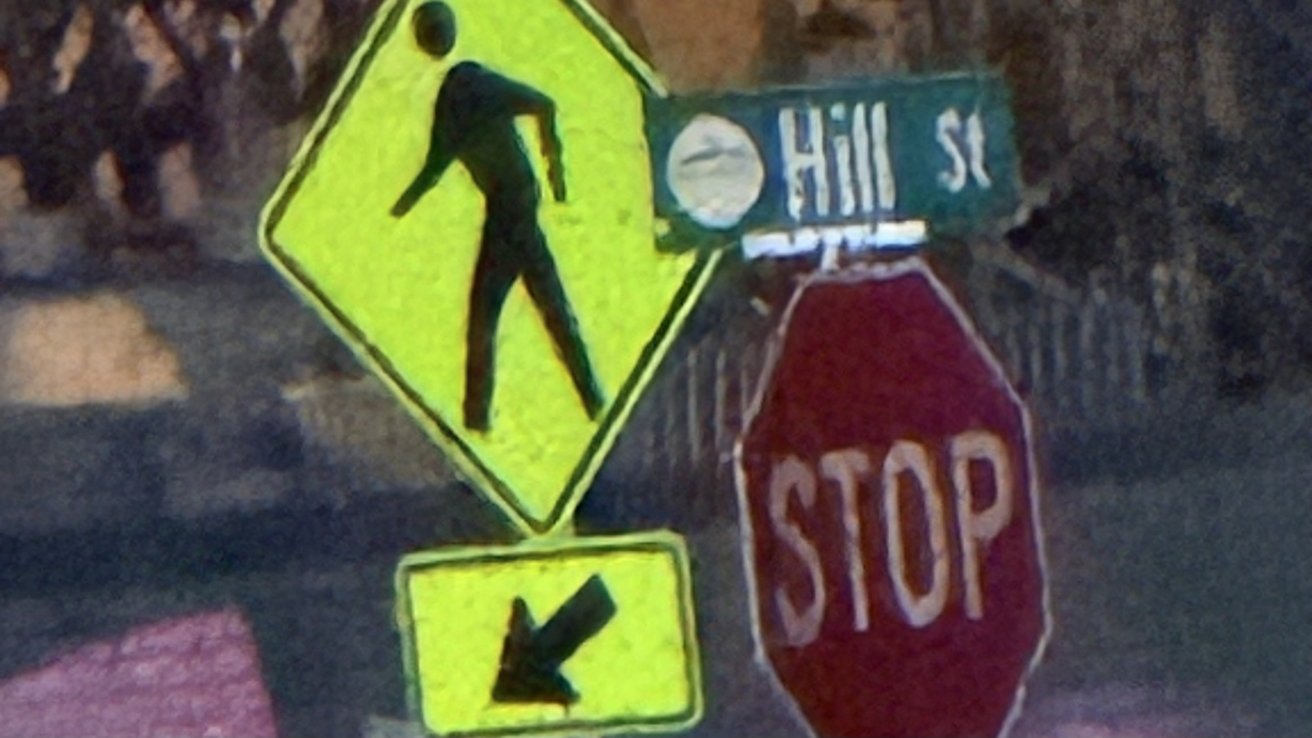
iPhone 17 Pro Max review: 40x at night and no AI in sight
I zoomed in on signs and posters from various distances, and text remained legible in most situations. It wasn't until I was on the other side of a parking lot at dusk that a distant no parking sign lost its legibility.
This is still better than a computer-aided fill of what the phone thinks the sign says.
One final note on this camera. Like any other lens, there is a minimum focus distance. I don't have the exact number, but when you're within about 5 feet of a subject, the iPhone will automatically switch to cropping the Main camera.

iPhone 17 Pro Max review: get excellent bokeh with 4x when the subject is close
Instead of a sharp 100mm 24MP photo, you'll get a grainy mess of a cropped Main sensor at 12MP. The iPhone does its best to obfuscate when you're cropping the Main camera, but you'll notice a dramatic quality jump when moving to the proper distance from a subject.
Apple knocked it out of the park with the Fusion Telephoto camera in the iPhone 17 Pro Max. I can't wait to take plenty of photos of family and pets at 4x.
18MP Center Stage front camera
I'm not a huge selfie person, but Apple has solved multiple giant issues I've had with selfies. The new Center Stage front camera is a large square sensor that can take portrait and landscape photos without rotating the iPhone.
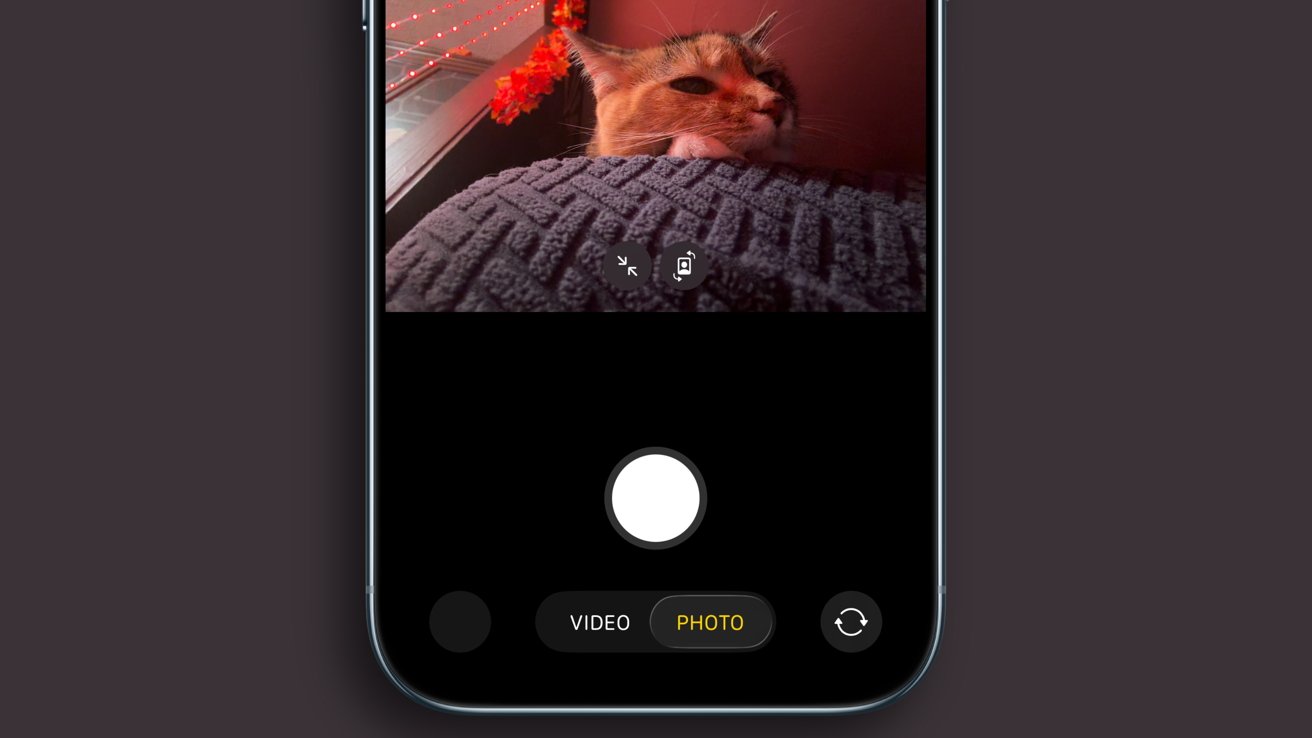
iPhone 17 Pro Max review: new selfie camera controls
Honestly, I'm surprised we haven't got this in rear cameras yet.
The 18MP sensor captures and outputs a 7MP photo by default, but the wide view puts out a full 18MP photo. Switching orientation is as easy as tapping a button.
Apple did include a feature that will automatically frame detected subjects with proper zoom and orientation. However, knowing that the wide view offers more pixels might make me lean into that mode.
I'm not a huge video person, though I aspire to experiment with it more. Apple has included some useful video features with its new selfie camera, that anybody can and should use.

iPhone 17 Pro Max review: taking selfies is much easier in portrait
Recording video with the selfie camera gets some sensor shift stabilization thanks to the large sensor. There's also the ability to capture video with both the front and rear camera simultaneously.
Center Stage also kicks in for video calls so multiple users can get into the frame and be followed. It's a clever feature that should be in all of Apple's cameras.
I do like the new selfie camera, but it has proven difficult to break old habits. Every time I went to take a selfie, I rotated my hand instead of using the on-screen toggle.
When everything lines up and the software automatically adjusts the rotation and framing, it's great. It also means everyone's eyes will be in the right space since it is more natural to gaze at the top of the iPhone.
iPhone 17 Pro Max review: Processor
The A19 Pro continues Apple's annual processing improvements, but with a few new interesting bits. The 6-core GPU now has Neural Accelerators that will make on-device AI operations much faster.
iPhone 17 Pro Max review: A19 Pro. Image source: Apple
Apple says that translates to 4x the peak GPU compute versus A18 Pro. CPU wise, it tops all M3 chips in single core performance, including the M3 ultra.
Funny enough, the A19 Pro premiered with the iPhone Air with a lot of promises related to efficiency. These changed likely are why the iPhone 17 Pro Max has even more battery life.
The A19 Pro in iPhone 17 Pro Max has a 6-core CPU and a 6-core GPU.
It beats the 3,244 single-core score in iPhone 16 Pro Max with a 3,579. The A19 Pro scored 9,546 for its multi-core benchmark versus 7,738 for the iPhone 16 Pro Max.
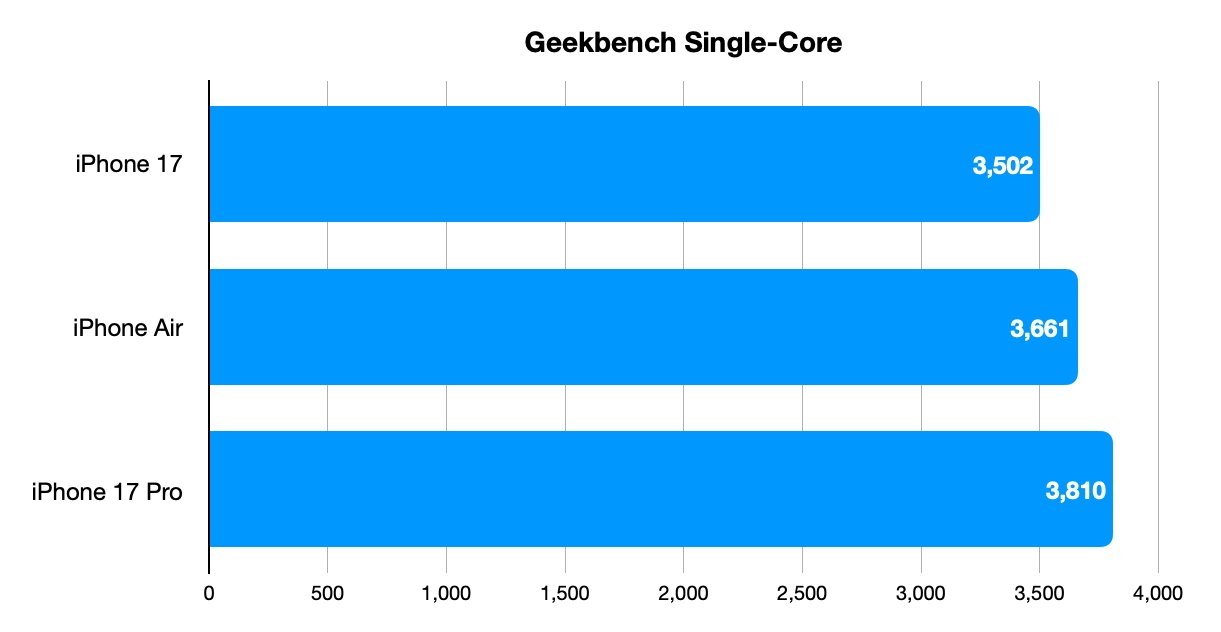
iPhone 17 Pro Max review: Geekbench single-core scores
The iPhone 17 Pro Max also saw significant gains for the GPU with a 45,770 Metal Score. That's higher than iPhone 16 Pro Max, which scored 32,520.
Alongside the upgrade processor is the new vapor chamber cooling system. Thanks to it, Apple says that the iPhone 17 Pro Max has 40% improved sustained performance.
This is great on paper, but doesn't really say anything.
Mike is making me explain what the vapor chamber does, and how it works here. Vapor chamber cooling uses a wicked heat exchanger, that is completely sealed, that contains a very small amount of liquid.
When the phone heats, the liquid vaporizes and absorbs a lot of heat, based on the phase change of the liquid from liquid to gas. The vapor then moves to the cooler area of the heat sink, and transfers heat into the aluminum unibody.
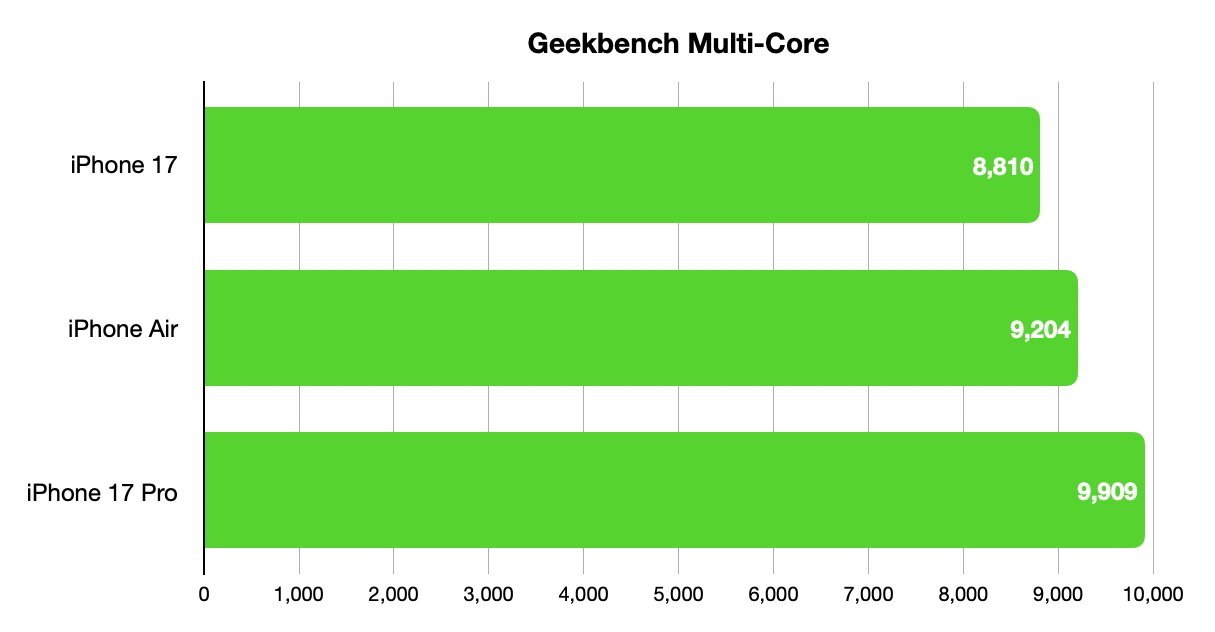
iPhone 17 Pro Max review: Geekbench multi-core scores
The vapor then condenses back into liquid, and moves down the wicks through capillary action back to the source of the heat, in a cycle of evaporation and condensation.
Great. That sounds fantastic, but what you get from the technology that did not debut on the iPhone is a device that operates cooler during more intense operations. You shouldn't have to worry about searing hot temperatures since the heat will be evenly distributed.
As far as performance goes, It's actually become quite difficult to discuss iPhone processing power. I'm not going to open and close apps real fast with a timer to decide how well it operates — that tells you literally nothing of use and is more a measure of the animation design than anything else.
Instead, I'll say that the iPhone is as performant as ever. Everything opens and runs without a thought, minus the occasional glitch that has nothing to do with processing power.
It is rare to find a prosumer app that challenges the iPhone processor other than games or artificial intelligence. Apple has focused on performance per watt so there can be hours of constant use.
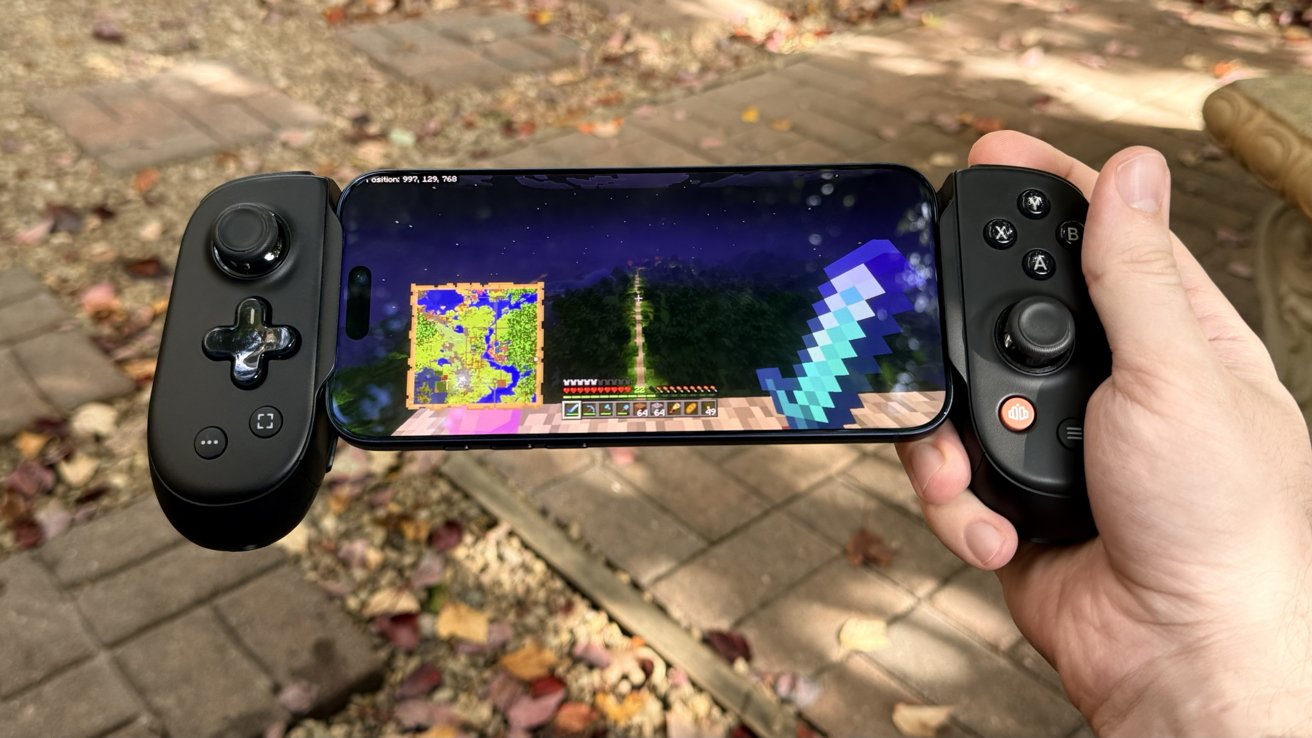
iPhone 17 Pro Max review: 'Minecraft' is always a good baseline gaming tester
Games continue to run great. I've been on a Minecraft kick lately, and while it may not seem like much of a challenge, it has visual settings that can get set pretty high.
I'm not getting the same detail and drawing distance as Minecraft on the Playstation 5 Pro, but it's not that far off. Other games like Resident Evil 4 or Assassin's Creed run much better than before — likely due to longer sustained peak load.
I played Resident Evil without a controller, gross I know, so I could feel the iPhone in my hands as I played. It warmed up a bit, but never got hot or uncomfortable.
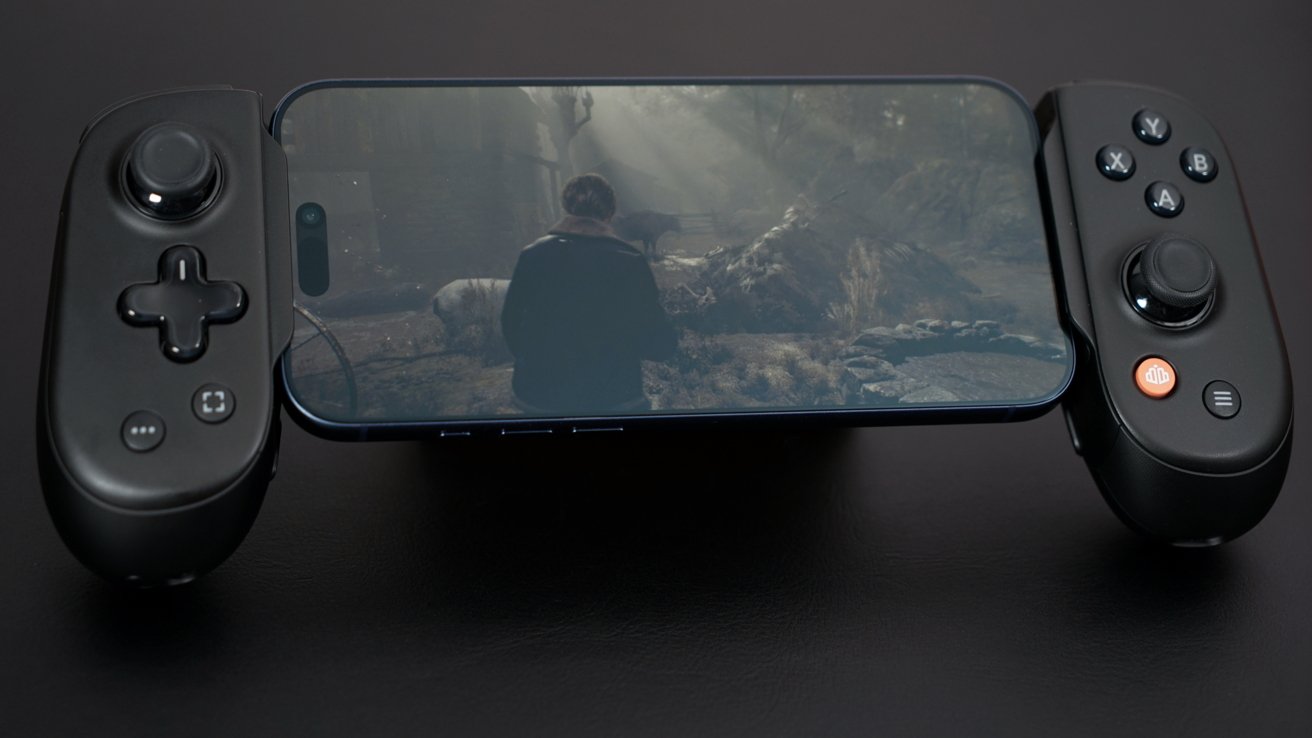
iPhone 17 Pro Max review: 'Resident Evil 4' runs better with A19 Pro and vapor chamber cooling
I turned the game off and the temperature dropped from mildly warm to cool within moments. It's drastically better thanks to the vapor chamber.
What makes the iPhone 17 Pro Max a "pro" device is the culmination of Apple's vertical integration. The thermally-efficient and structurally rugged unibody design, industry-leading A19 Pro, the range of excellent cameras, and powerful features available throughout make this go well beyond "just a premium iPhone."
The A19 Pro may not include any particularly flashy new upgrades beyond AI processing boosts, but it takes what was already great and makes it better. Whether you're making a movie or playing your 1,000th hour of Genshin Impact, the iPhone 17 Pro Max is a powerhouse.
iPhone 17 Pro Max review: Battery & other features
Apple's internal testing show about 39 hours of local video playback, up from 33 hours in the iPhone 16 Pro Max. That's quite a lot of screen-on time, but in normal use, you're not going to see that.
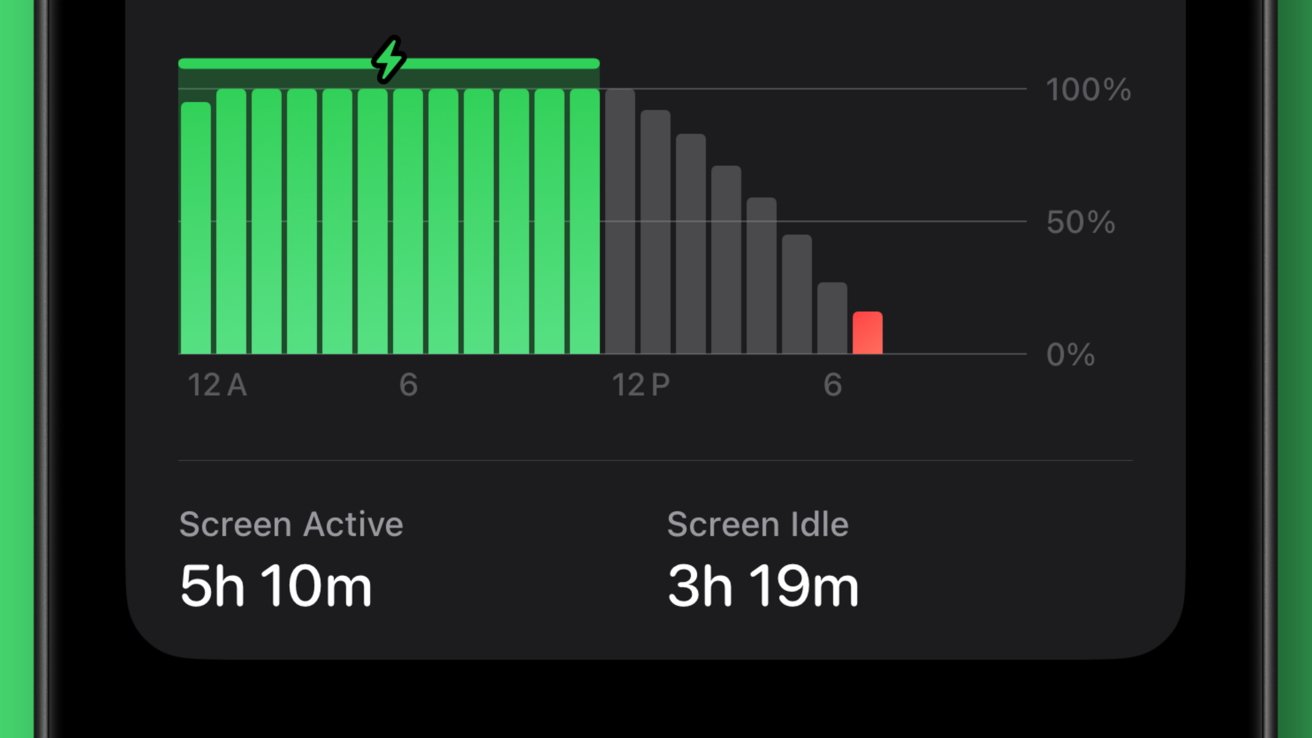
iPhone 17 Pro Max review: all-day battery
The only place on earth you might get close to 39 hours is if you're traveling and switching flights across multiple days with your iPhone stuck on Airplane Mode. Otherwise, every other function in use will decrease battery faster.
That said, there is no doubt the iPhone 17 Pro Max battery is the best in the lineup. I put the battery through a rough second day of use by testing the iPhone on a day trip to Asheville, North Carolina.
We got out of the car a little before noon and spent the day away from chargers. The mountain town proved to have good 5G coverage, so service wasn't a problem, and Wi-Fi wasn't in use.
I took a lot of photos in bright daylight, editing them, and sharing some through group chats. Several calls were made, some features like video capture were tested, but not to any great extent, and some games were played while idle.
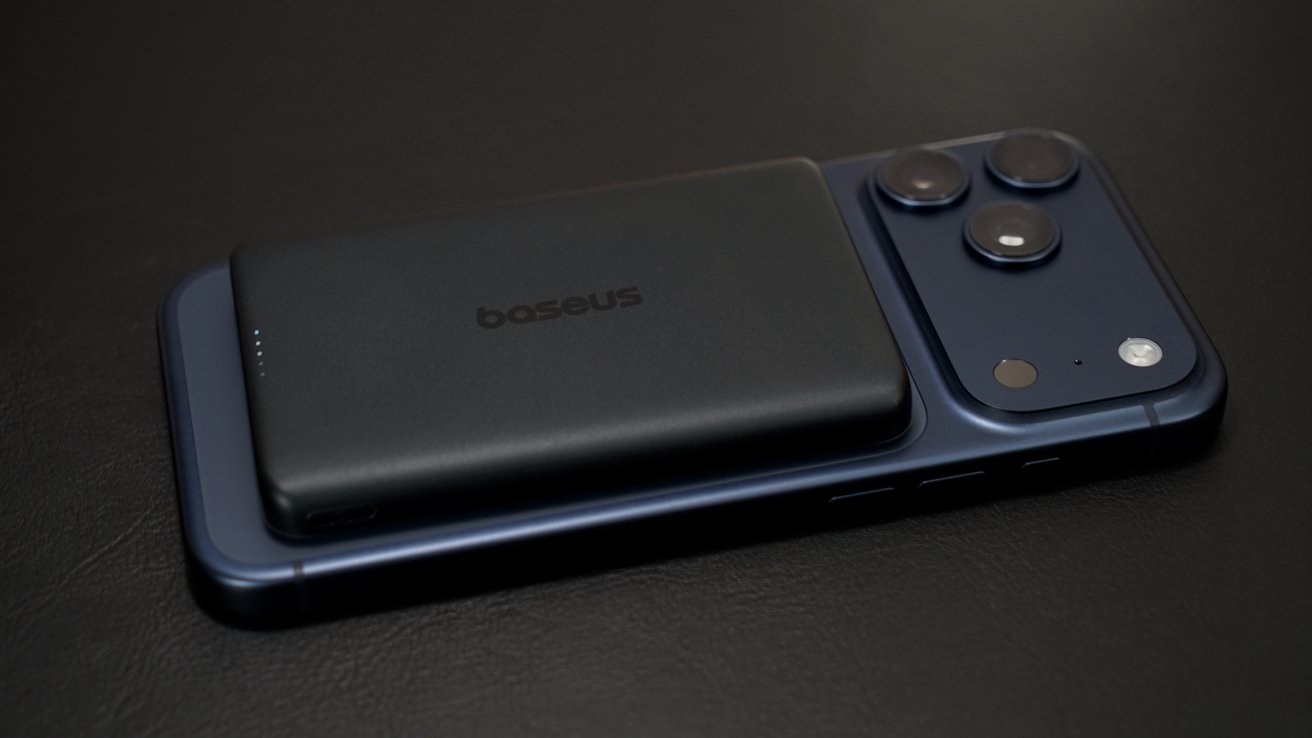
iPhone 17 Pro Max review: on a normal day, MagSafe would provide more than enough power
My total screen active time was 5 hours and 10 minutes, while my screen idle time was 3 hours and 19 minutes. My day ended when we got in the car to drive home after 8PM with under 10% battery remaining.
It's tough to determine if these results are properly representative of battery life of the device. The first two or three days after setting up a new iPhone and installing updates is usually the worst for the battery.
Background tasks, syncing from the web, and more keep the battery and processor going at full speed. And even with that, I pulled an 8 hour day of heavy usage without any charging.
I think that's quite impressive. And during actual normal circumstances, I'd have access to MagSafe chargers while idle, so I doubt the iPhone battery will ever be an issue.
Let's wrap up with a few less important features.
The USB-C port is unchanged retaining the 10 gigabit per second data transfer. This remains most important to videographers, and matters very little to everyone else.
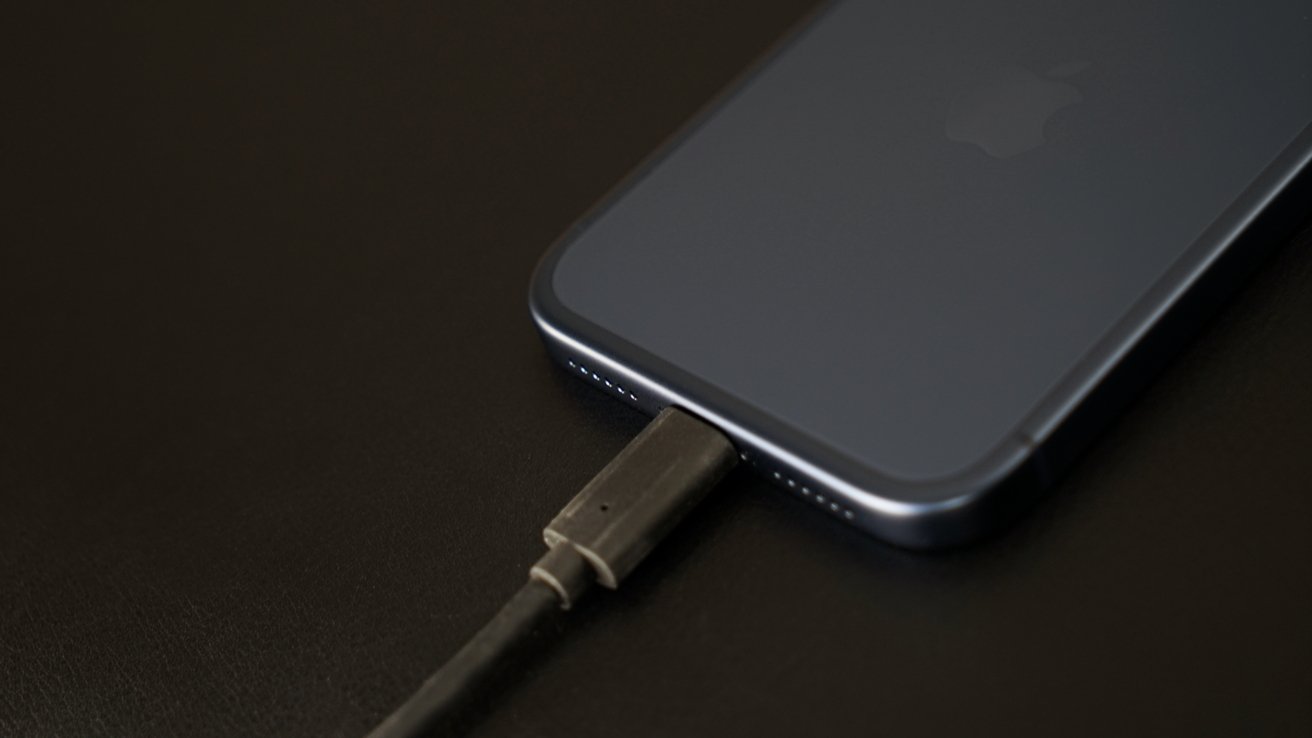
iPhone 17 Pro Max review: USB 3.0 isn't the best but it works
Apple offers 40W fast charging with its wired proprietary charger, which provides 50% charge in 20 minutes.
Apple's support of Qi 2.2 means 25W MagSafe charging with compatible adapters. Certified Qi2.2 chargers and Apple's latest MagSafe chargers will provide the maximum 25W rating to iPhones. In reality, it's somewhat lower because of assorted losses which are beyond the scope of this review.
Simply, if you want maximum convenience, use MagSafe. If you want maximum efficiency and speed, use wired.
There's no C1X chip here, so 5G sub-6 GHz and mmWave are available. The iPhone 17 Pro Max also has Wi-Fi 7, Bluetooth 6, and the second-generation Ultra Wideband chip.
Again, Wi-Fi 7 remains a feature for future-proofing, as does mmWave 5G. The former is still very expensive for the home, and it's worse for enterprise gear.
Full 5G support is still lacking almost everywhere. It's better than it was, but mmWave has some physics limitations that we have discussed elsewhere, making it very difficult to leverage inside a building, or at a range outside.
It's nice when you have connectivity to either Wi-Fi 7 or mmWave 5G, but don't count on it everywhere. Or for that matter, in most places.
iPhone 17 Pro Max review: More professional than prosumer
I was a little worried that Apple was going to introduce a new device that was different for the sake of different. Rumors about camera bars, two-tone designs, and vapor chambers made me wonder if there would be a cohesive story for the product.
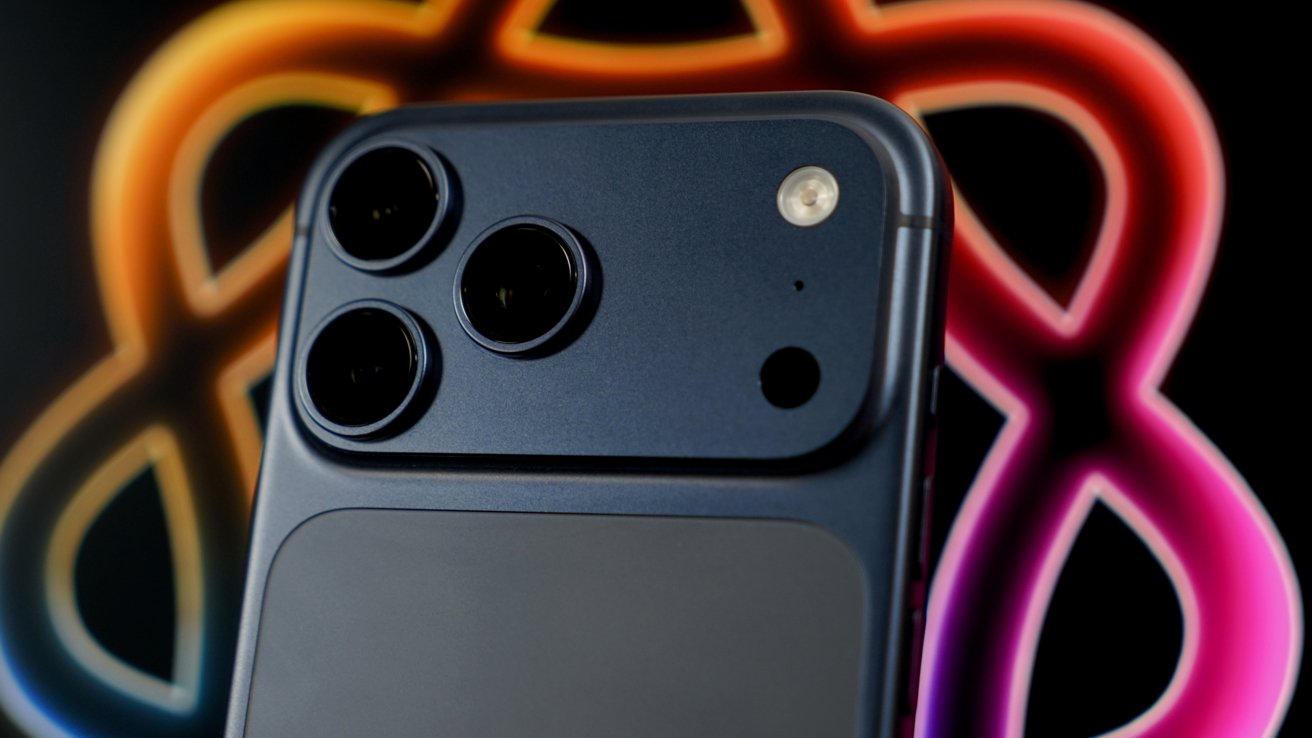
iPhone 17 Pro Max review: one for the pros
While Apple told a good story in its keynote, I think there's more to it if you're paying attention. Apple said with its hardware what it was unwilling to say before a product was revealed.
The material and design, the cooling system, and the improvements in the processor all point to one thing — artificial intelligence is about to get much more important on iPhone.
Today, we've got simple but useful tools on iPhone that run with Apple Intelligence. But rumors point to a major overhaul in the spring that will make artificial intelligence a tentpole feature of Apple's ecosystem.
No, it won't be gimmicky features looking for venture capital investment. Instead, it'll be an ecosystem of thoughtful AI features provided by multiple third-parties and Apple to provide real utility to the user.
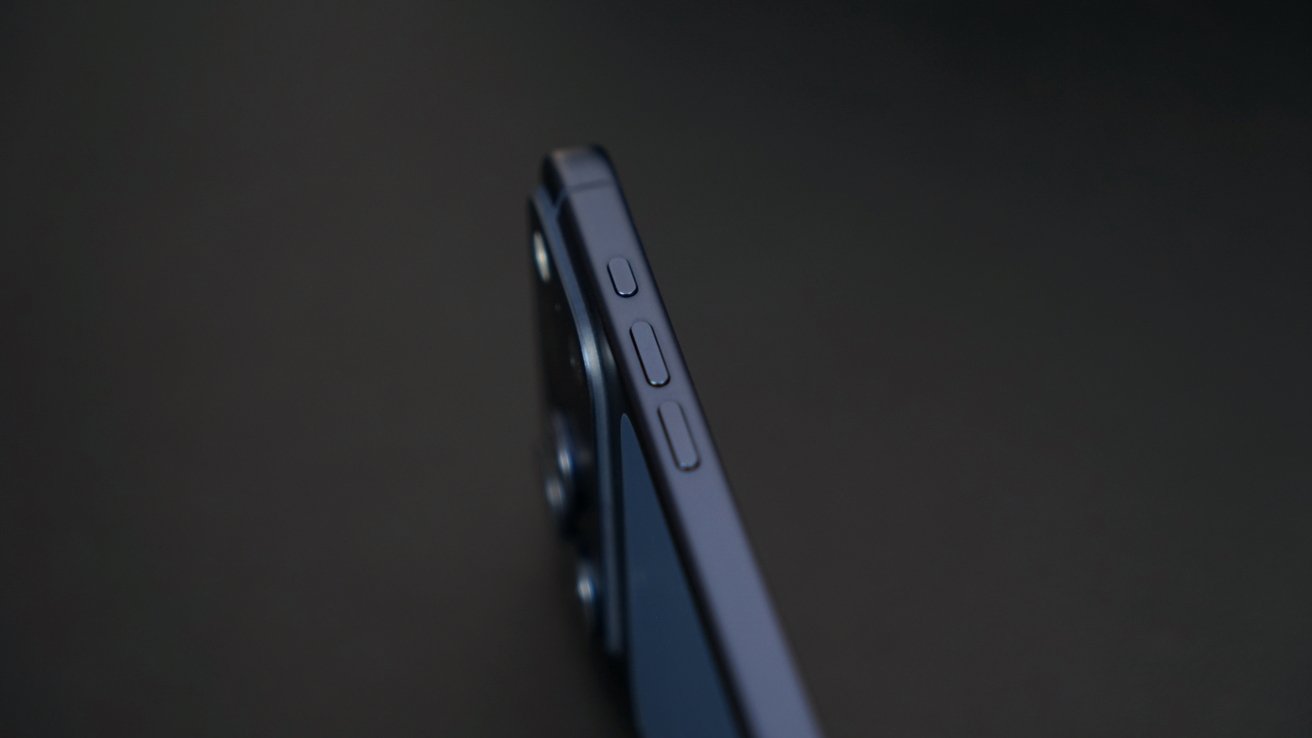
iPhone 17 Pro Max review: built with AI in mind
While everyone continues to say "Apple is behind on AI" as the oroboros of AI training starts to eat its own tail, Apple is building the foundations of a useful toolset. I have no doubt the iPhone 17 Pro Max will play an important role in that upgraded Apple Intelligence ecosystem when it arrives in early 2026.
In order for all of this to work, Apple needs a device that can handle AI locally, privately, and securely. Private Cloud Compute is great too, but for pros, on-device is even more critical, assuming they want Apple's tools at all.
Where Mike's iPhone 17 review needed a "normal person" touch, this one needs an enterprise touch that he can provide. His enterprise contacts are very pleased about the speed of the device. Several of them are using the iPhone 17 Pro already as a 3d mapping tool, and finding that it performs far better than the iPhone 16 Pro did.
For them the vapor chamber cooling keeps the scanning going. In some cases, a room is getting scanned 30% faster than it was before, and with lower rates of rescans required.
What the enterprise folks we've spoken to do not care about, is Apple Intelligence. Nor do they care about the other big guys, as they build their own networks.
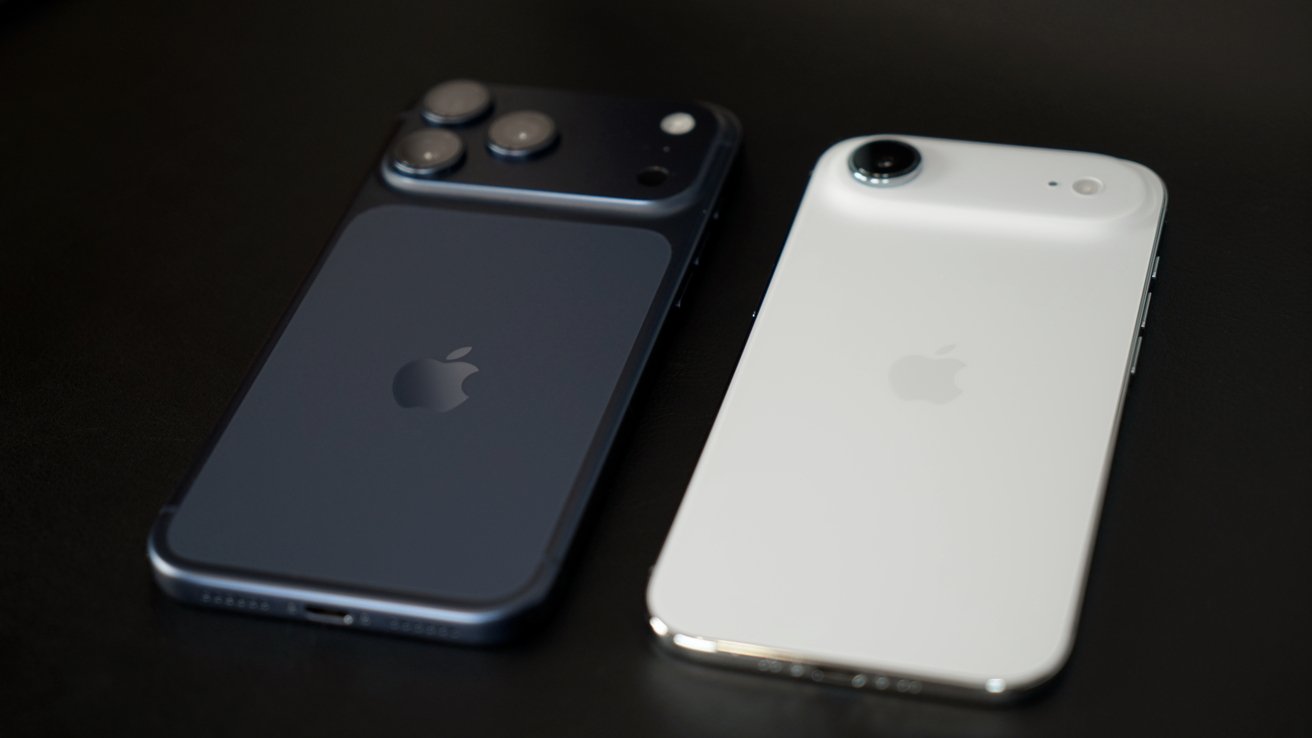
iPhone 17 Pro Max review: enterprise has different priorities versus consumers
And they build them with models that they have trained suited to their own tasking. They make them without Google plagiarism, or OpenAI crying that copyright and proper accreditation is too hard.
So, for better or worse, the iPhone is the platform that other artificial intelligence tools will run on, and will do so with more privacy protections than the big players provide. This frequently gets overlooked as people bemoan Writing Tools, Image Playground, and so forth as just toys.
Instead, the iPhone 17 Pro Max is the best artificial intelligence platform for the rest of us that's been built yet.
iPhone 17 Pro Max review - Pros
- A new cooling system that actually works
- Refreshingly updated design that's also more durable
- Excellent 4x camera with longer 8x focal length
- Smart selfie camera sensor with new features
- Games run better, longer, and cooler
- Upgrades that will benefit Apple's future AI efforts
iPhone 17 Pro Max review - Cons
- IP68 splash ratings are so 2017
- No attention given to Dynamic Island, Action button, or Camera Control
- USB 3.0 isn't what you'd call "pro"
- Reports of scratching issues can't be ignored
Rating 4.5 out of 5
Like it or not, the iPhone 17 Pro family as a whole is Apple's main focus, and flagship across every product it sells. Gone are the days where the Mac held the line, and the iPhone was an accessory.
For the iPhone-centric consumer at any skill level, I think the choice between models isn't as tough as it looks at a glance. The iPhone 17 is for the budget conscious, iPhone Air is for those that want an eye-catching premium device, and iPhone 17 Pro is for the professional getting things done with their device.
Get the right tool for the right job.
Where to buy Apple's iPhone 17 Pro Max at a discount
Wireless carriers are offering incentives on the new devices, with the best iPhone 17 Pro Max prices providing up to $1,100 in bill credits.
Here's a roundup of the top iPhone deals at press time:
- T-Mobile: Get up to $1,100 off an iPhone 17 Pro Max with a qualifying trade in any condition and eligible plan*
- AT&T: Get an iPhone 17 Pro Max for as low as $0/mo with a qualifying trade and plan*
- Verizon: Get up to $1,100 off Apple's iPhone 17 Pro Max with a new line and qualifying trade* *Terms and conditions apply. Please see the carrier's site for details.