After a tumultuous 2025, Apple has surpassed its all-time high stock price in mid-day trading because of strong iPhone 17 launch sales, and in spite of tariff headwinds compounded with concerns about how Apple Intelligence stacks up against competition.
Investors have reacted positively to Apple's latest moves in hardware and political actions. The company's ability to avoid the worst effects of tariffs and a positive iPhone 17 release cycle has propelled its stock to a new all-time high.
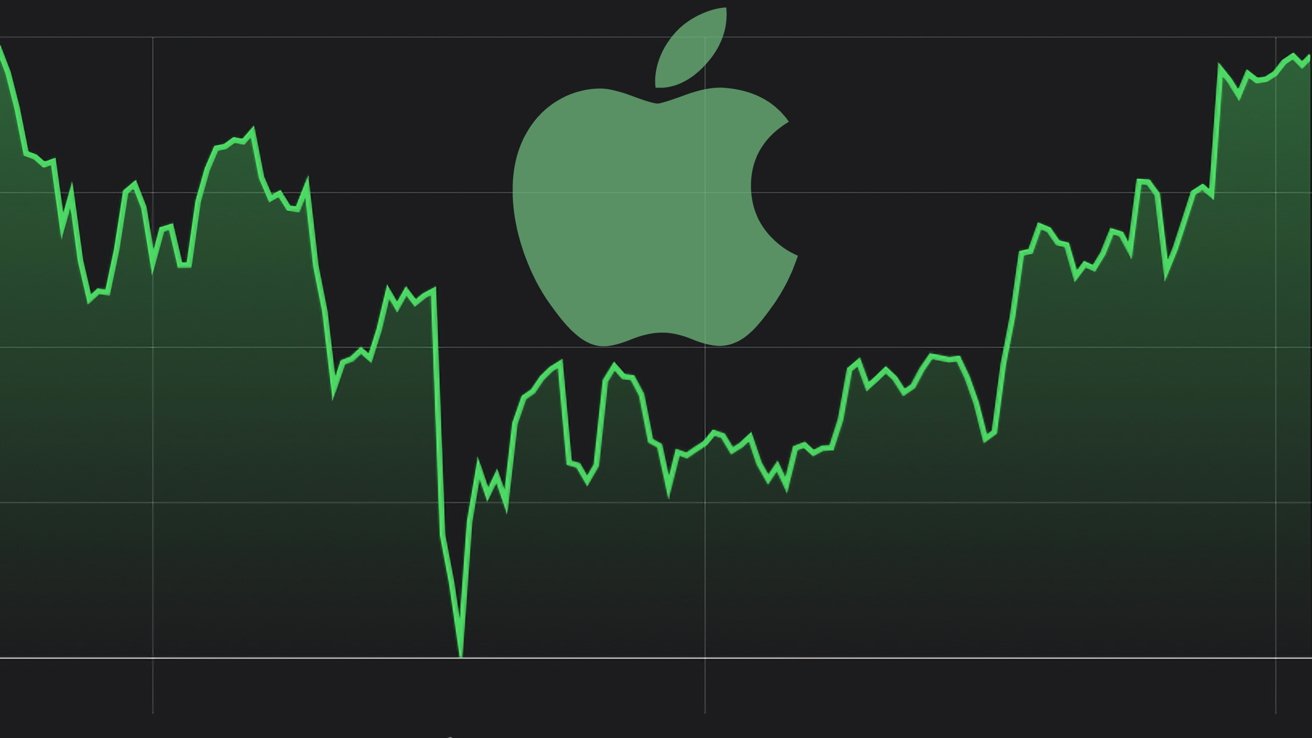
At publication time, AAPL is up to $262.42, up $10 on the day. That's breaking the previous record closing price of $259.02 and intraday trading peak of $260.10 set on December 26, 2024.
The stock increase is probably from multiple factors, including some hope that the ongoing federal shutdown will end, and strong quarterly earnings are forthcoming. Furthermore, a new report on Monday morning claimed that the iPhone 17 launch sales are the best they've been in years — but it's not certain how accurate those numbers are.
Apple's stock rebounded in late 2025, recovering most of the losses that occurred earlier in the year due to tariff concerns. Additional gains since can be attributed to high iPhone 17 demand and rumors of a strong iPhone 18 cycle in 2026.
There have also been incredible headwinds created by political and trade uncertainty that Apple has navigated through tense actions. While controversial, Apple CEO Tim Cook's decisions with how to deal with the Trump administration have kept the company out of hot water.
Concerns around the rise of artificial intelligence and Apple's place in it have also largely abated, at least for investors. Apple's slow pace may frustrate some, but it may prove out once the full LLM-backed Siri launches in early 2026.
Global headwinds have also become less of a concern thanks simply to the Trump administration pushing back against any and all regulation regarding US companies. Fines and overall impacts have remained small in scale as Apple fights against the EU, UK, and other regulators.
The biggest battle of them all, of course, is Apple's global supply chain. It continues to diversify by moving portions from China to India and other locations.
Pressure from the Trump Administration has also mostly backed off in regard to bringing iPhone manufacturing, of any scale, to the United States. Apple's promises of an additional $100 billion in American businesses and infrastructure were enough to keep that demand at bay.
So, even as things continue to remain uncertain for most global businesses, Apple has kept its footing. Investors seem confident that Apple will avoid problems, like price hikes or product shortages, at least in the near term.
Apple's $4 trillion valuation mark is in sight. To hit that valuation, Apple will have to climb to $268.26.