
A new report says Apple's iPhone Fold may skip Face ID in favor of a slimmer side-mounted Touch ID sensor, citing thinness as an issue.
Apple's long-rumored foldable iPhone, often referred to as the iPhone Fold, is widely expected to debut in 2026 based on repeated analyst and supply chain reports. While Apple hasn't confirmed the device, rumors over several years have consistently pointed to a book-style foldable focused on thinness and durability.
Details shared on December 15 by Weibo leaker Digital Chat Station describe a book-style foldable iPhone focused on thinness and durability. The report highlights a side-mounted Touch ID sensor instead of Face ID.
The latest leak joins a short list of sources repeating the same design tradeoff. The pattern suggests a physical limitation rather than a shifting plan. Apple hasn't confirmed a foldable iPhone.
Digital Chat Station has a mixed track record on Apple leaks, with some accurate reporting on display and camera developments but less consistency than established analysts. Past claims about technologies like under-display Face ID have shifted over time.
What the leak outlines
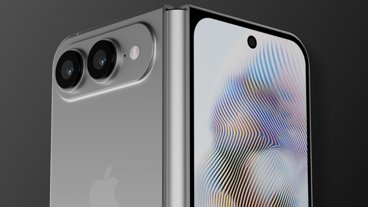
The leak describes a horizontally folding phone that opens like a book and supports tablet-style use. The internal display reportedly measures about 7.58 inches, providing room for reading, multitasking, and split-screen apps.
An external screen near 5.25 inches allows quick tasks without unfolding the device. The overall layout appears designed for productivity, casual browsing, and video consumption.
Additionally, the device is described as an engineering prototype still undergoing internal testing. No release date or pricing information appears in the report.
The information focuses on design direction rather than finalized specifications. Thinness drives most hardware decisions, with size constraints shaping nearly every reported choice.
Why Touch ID keeps replacing Face ID
Touch ID replacing Face ID remains the most consistent rumor across foldable iPhone reporting. Analyst Ming-Chi Kuo has repeatedly argued that Face ID is a poor fit for foldable hardware.
The TrueDepth camera system requires physical depth that foldables struggle to accommodate. Foldable phones already face challenges from hinges, batteries, and reinforced displays.
Adding Face ID would increase thickness and internal complexity. A side-mounted Touch ID sensor avoids those issues.
Several reports claim Apple has experimented with under-display fingerprint sensors for future devices. These systems place the reader beneath the screen, which adds extra layers and can reduce reliability.
Thickness also remains a problem, making under-display solutions less appealing for compact foldable designs. Touch ID is already found in products like the iPad Air and works predictably in daily use.

iPhone Fold render
Users trust this familiar method, which is a key advantage for early hardware categories. Proven technology usually succeeds first, while experimental features tend to arrive after the basics feel reliable.
The rest of the design follows the same script
Rumors about a foldable book-style device have circulated for years. Apple has often been associated with larger foldables instead of compact flip phones.
Larger foldables are better suited for iPad-like software behaviors. Multiple leaks have consistently reported stable display sizes. An internal screen measuring around 7.5 inches frequently appears in these leaks.
Consistency across sources indicates Apple's internal design targets. The hinge is very strong, though it lacks a detailed explanation.
Earlier foldable phones had durability issues and visible creases, but Apple is expected to over-engineer the hinge.
The internal display reportedly uses an under-panel front-facing camera to avoid notches when unfolded. This approach sacrifices some image quality, but Apple may accept the compromise for a cleaner layout.
The rear camera system is said to feature two 48-megapixel sensors with a large physical size. Apple has prioritized sensor size and processing over chasing extreme megapixel counts.
The latest foldable iPhone leak introduces no new themes. Touch ID replacing Face ID, a book-style fold, conservative display sizes, and durability-first engineering continue to resurface.
Repeated agreement among analysts and leakers suggests settled priorities and an exorbitant price. The iPhone Fold is expected to make similar compromises to the iPhone Air while lacking some premium features found in the iPhone Pro.