
Signs of an iPhone Fold have been floating around for well over a decade, but the device could finally debut in 2026 or 2027. Here's what the rumor mill has to say about it, and what the phone might look like.
While 2025 saw the release of the ultra-thin iPhone Air, the year ahead could prove even more interesting. Multiple sources and reports over the years have said that Apple was working on products with foldable displays, the first of which is slated to be an entirely new iPhone model.
Though other smartphone manufacturers, such as Samsung, have outright embraced the concept of foldable displays, with the Galaxy Fold and Galaxy Z Flip, Apple has yet to release such a device. The company has even refused to comment on the matter altogether.
Still, rumors indicate that a foldable iPhone, sometimes referred to as the iPhone Fold, is on the horizon. People familiar with the matter have told AppleInsider that Apple and its supply chain partners have been researching the idea for years.
More recently, though, leakers and analysts alike have chimed in. We've seen everything from claims of technical specifications to supposed iPhone Fold release dates.
iPhone Fold — Release date rumors
Rumors of an iPhone with a folding display began popping up in 2017, with a report estimating that mass production of its screens would begin in 2020.
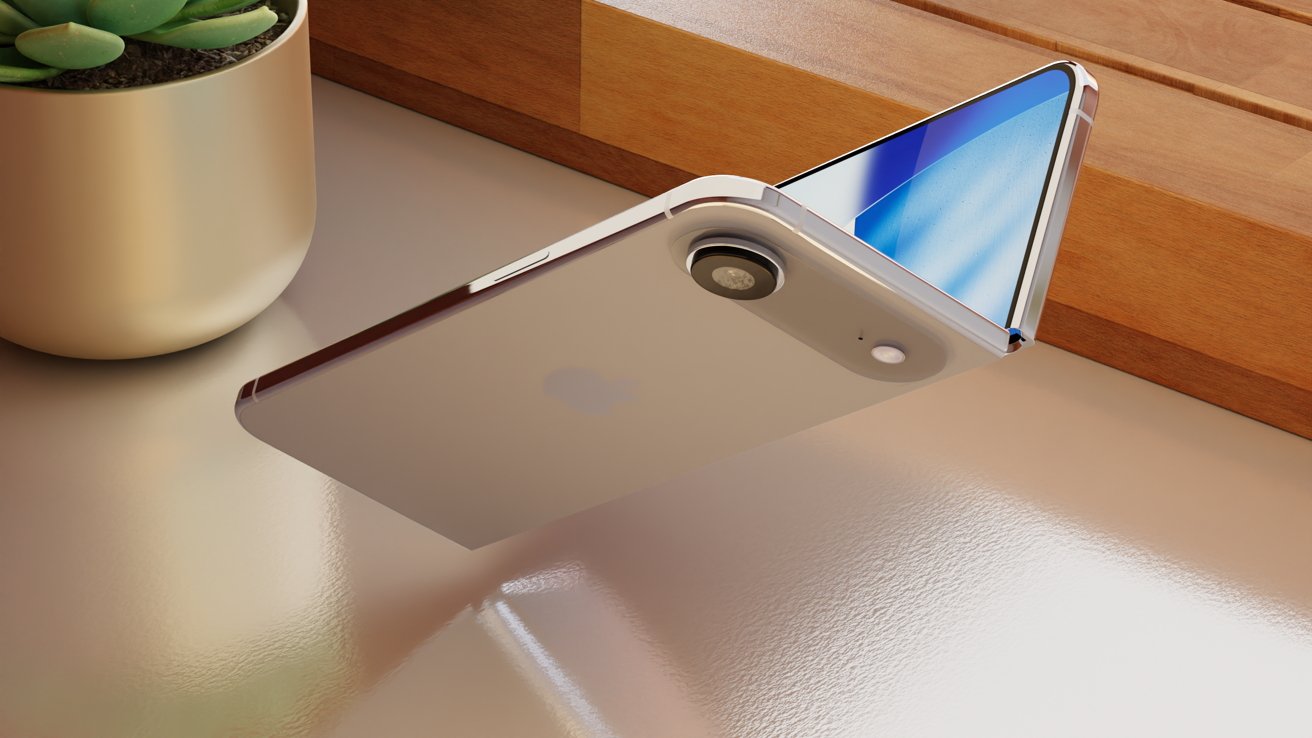
Analysts believe that the iPhone Fold will launch either in 2026 or 2027.
Not everyone agreed with that assessment, however, as a 2018 analyst report estimated that Apple would launch its first foldable in 2020. Unsurprisingly, that never happened, and the rumor mill moved on fairly quickly.
Sometime later, in November 2020, a report suggested that Apple supplier Foxconn was developing a foldable iPhone that was set to debut in 2022.
Months after he said the iPhone Fold would debut in 2023, Apple analyst Ming-Chi Kuo claimed, in September 2021, that the device would actually launch in 2024.
This, obviously, never happened. 2023 and 2024 came and went with no iPhone Fold. By 2022, analyst predictions had already shifted to a 2025 release date for the iPhone Fold, and Apple was said to have been working on multiple prototypes.
In February 2022, Ross Young of Display Supply Chain Consultants said the iPhone Fold wouldn't arrive before 2025. At the time of writing, a 2025 launch is most likely not happening, with multiple sources suggesting a 2026 or 2027 release.
Two reports from February, and one from March 2024, suggested that Apple was aiming for a 2026 release, but then delayed the iPhone Fold to 2027. In June 2024, another report echoed the claims of a 2027 launch date.
Only a month later, however, analyst Jeff Pu insisted that a 2026 launch would happen for Apple's foldable iPhone. Pu later reiterated his claims in March and April 2025.
In February 2025, it was suggested that iPhone Fold production would start in early 2026, indicating a 2027 launch. Still, a separate rumor from the same month alleged that the device would, instead, be released in 2026, with manufacturing slated for late 2025.

Display-related patents and patent applications offer ideas of how Apple could approach the folding iPhone.
Ming-Chi Kuo commented on the iPhone Fold again in March 2025, corroborating claims of a late 2026 or early 2027 rollout, and Q4 2026 production.
The same month, a generally reliable leaker claimed a 2026 launch was expected for the iPhone Fold. The source reiterated their claim in May 2025, July 2025, and twice in August 2025. Meanwhile, a separate report published in May 2025 backed the 2026 release rumors.
In June 2025, Kuo chimed in once again, this time saying Foxconn would produce Apple's first foldable smartphone in late Q3 or early Q4 2025, with large-scale manufacturing planned for summer 2026. The analyst's claims were reiterated in September 2025.
In July 2025, a new rumor suggested Apple had created a prototype iPhone Fold, which would align with the summer 2026 manufacturing claims. In October 2025, one leaker suggested that Apple was stockpiling iPhone Fold parts, again pointing to a 2026 release for the device.
However, an October 2025 report suggested that the iPhone Fold was delayed to 2027 due to hinge-related issues.
Though unlikely, it's also possible the device will get delayed or canceled altogether — moves Apple has made with other projects in the past.
One report, published in February 2024, suggested the iPhone Fold was scrapped. Given the amount of reporting we've seen since then, however, this is more than likely not the case.
Overall, the rumor mill believes the iPhone Fold will launch in 2026 or 2027, depending on who you ask. Of course, rumors being rumors, they should be taken with a grain of salt.
iPhone Fold — Display supplier
The most important component of the iPhone Fold is arguably its display. Apple has an established relationship with multiple component suppliers, including those who provide displays.

Samsung Display is most likely the exclusive display supplier for the iPhone Fold.
There's been talk of two major display makers providing screens for the iPhone Fold — LG Display and Samsung Display.
Back in October 2017, it was suggested that Apple planned to work with LG Display on the iPhone Fold display. This claim was later reiterated in February 2021.
Another report, published in April 2022, suggested Apple was working with LG Display on a foldable MacBook or iPad display as well.
Rumors of an iPhone with a folding continued into the following month, with claims of a flexible OLED panel being in development as of May 2022.
Months later, in September 2022, Apple was said to have been working with LG Display and Samsung Displays on an iPhone Fold screen that wouldn't crumple.
Achieving this reportedly involved creating hybrid OLED panels, which combine inflexible sections of glass with flexible plastic substrate panels that handle the actual bending.
However, a September 2020 rumor suggested that Apple had "asked Samsung Display to provide a large sample of foldable phone screens." This served as an early indication that a company other than LG Display might provide parts for the iPhone Fold.
Furthermore, in December 2023, Samsung Display allegedly underwent an organizational reshuffle, affecting the team that deals with supplies for Apple.
Apple had yet to reach a decision on the display supplier for the iPhone Fold, however, according to a January 2025 rumor.
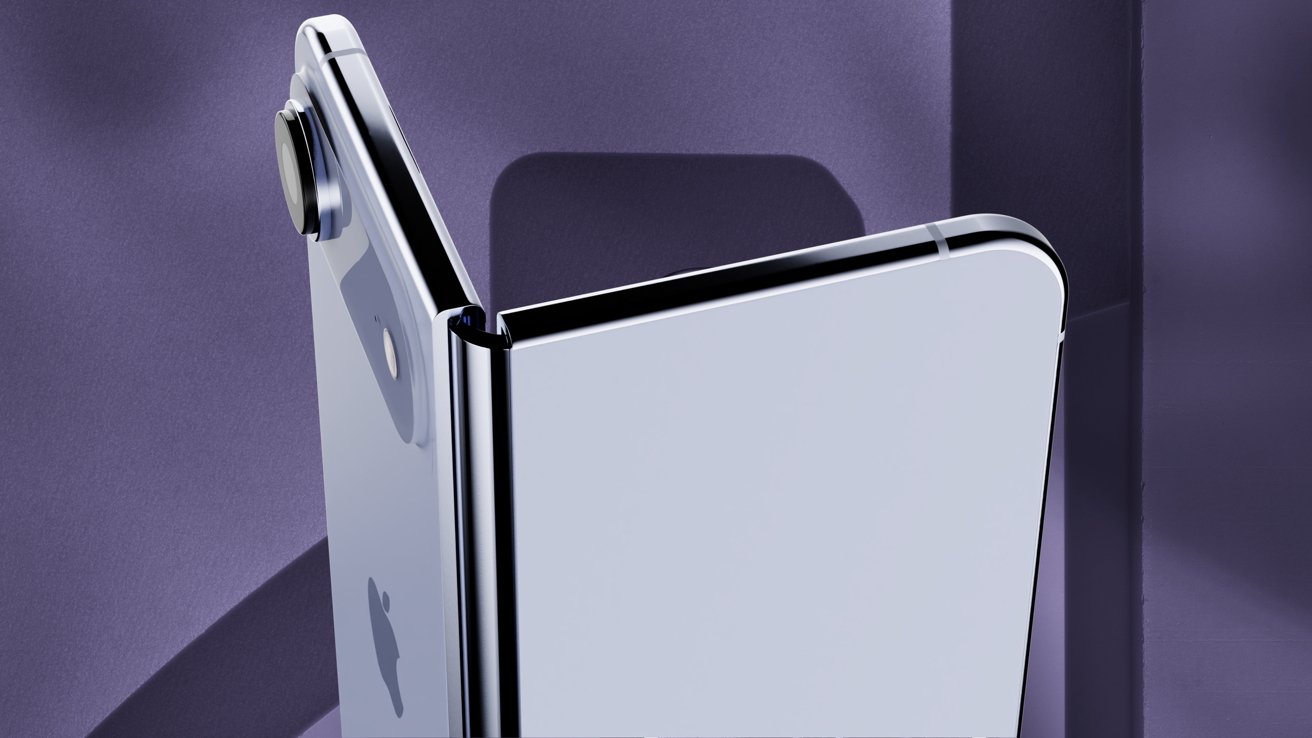
Apple had reportedly considered working with LG Display before choosing Samsung as its display partner for the iPhone Fold.
Things would change in February 2025, though. According to a different source, Apple had, at that point, chosen Samsung Display to create and supply displays for the iPhone Fold. The claim was later reiterated in April 2025 and May 2025.
The move may be attributable to Samsung's success with its own line of foldable phones, including the Galaxy Z Fold. At the time of writing, it appears as though Samsung Display will be the supplier of foldable iPhone screens.
In July 2025, Samsung Display reportedly began construction of a production line dedicated to making iPhone Fold screens. The same month, Ming-Chi Kuo claimed Apple would use Samsung's crease-free design for the iPhone Fold display, rather than its own design.
We've also seen plenty of rumors about the display itself, as well as its features and specifications.
iPhone Fold — Display size and resolution
The iPhone Fold is expected to have two screens, with a smaller outer display for general use and a folding internal one that's much larger. It appears as though the rumor mill has agreed on some of the essential specifications of those components.
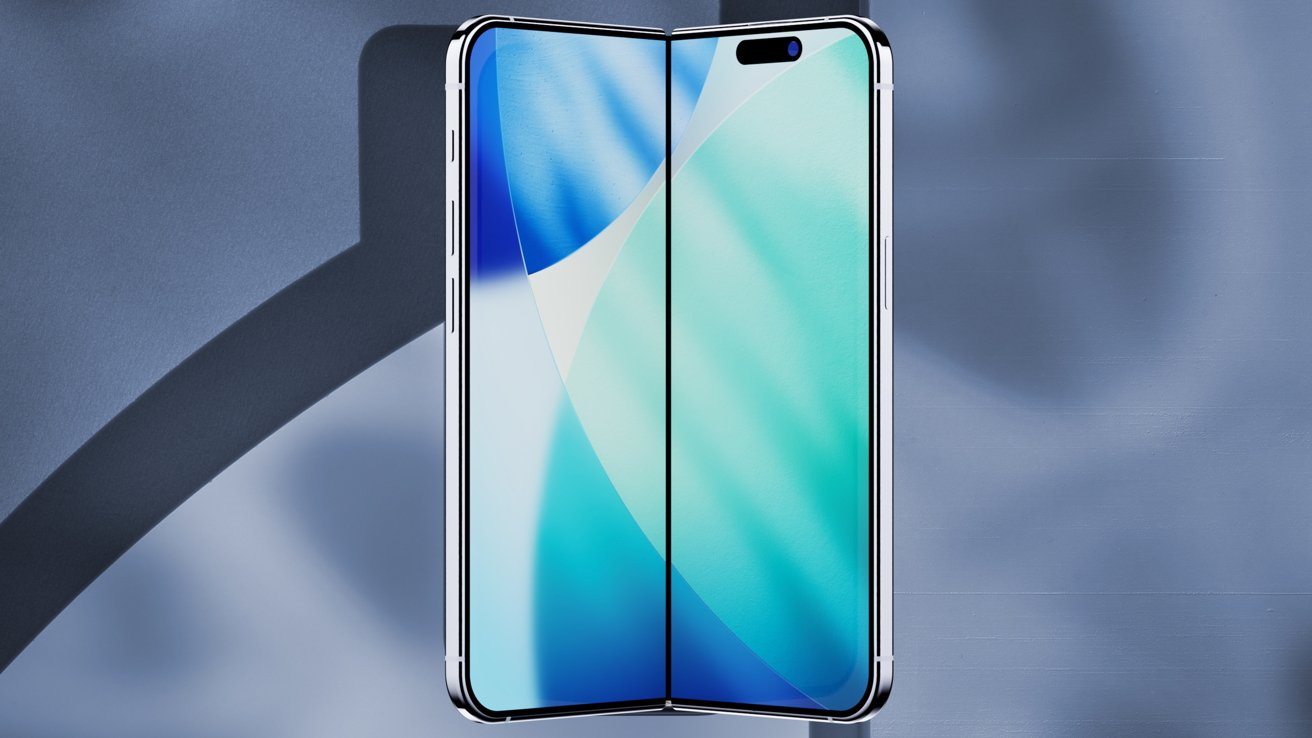
In February 2025, one report said the display for the iPhone Fold would be "comparable to two 6.1-inch iPhones folded together, resulting in a total size of over 12 inches."
The mathematics of that supposed measurement is somewhat wrong, as it would realistically be a screen size in the ballpark of 7.5 inches, which is similar to the 8.3-inch iPad mini.
The same month, a different leak claimed that Apple's foldable iPhone would have a 5.49-inch outer screen to allow it to work like a normal smartphone. The inner screen, to make it look more like an iPad, reportedly measures a somewhat realistic 7.74 inches diagonally.
Analyst Ming-Chi Kuo echoed these claims, saying in March 2025 that the "folded-out inner screen" would be 7.8 inches, while the outer screen would be 5.5 inches. Two April 2025 rumors also provided similar dimensions.
Both leakers suggested that the inner display will have a resolution of 2,713 by 1,920 pixels. This would give the display a pixel density of 428 pixels per inch.
According to the same source, the external-facing display will measure 5.49 inches and have a resolution of 2,088 by 1,422 pixels. This is a pixel density of 460 ppi, matching that of Apple's typical iPhone displays.
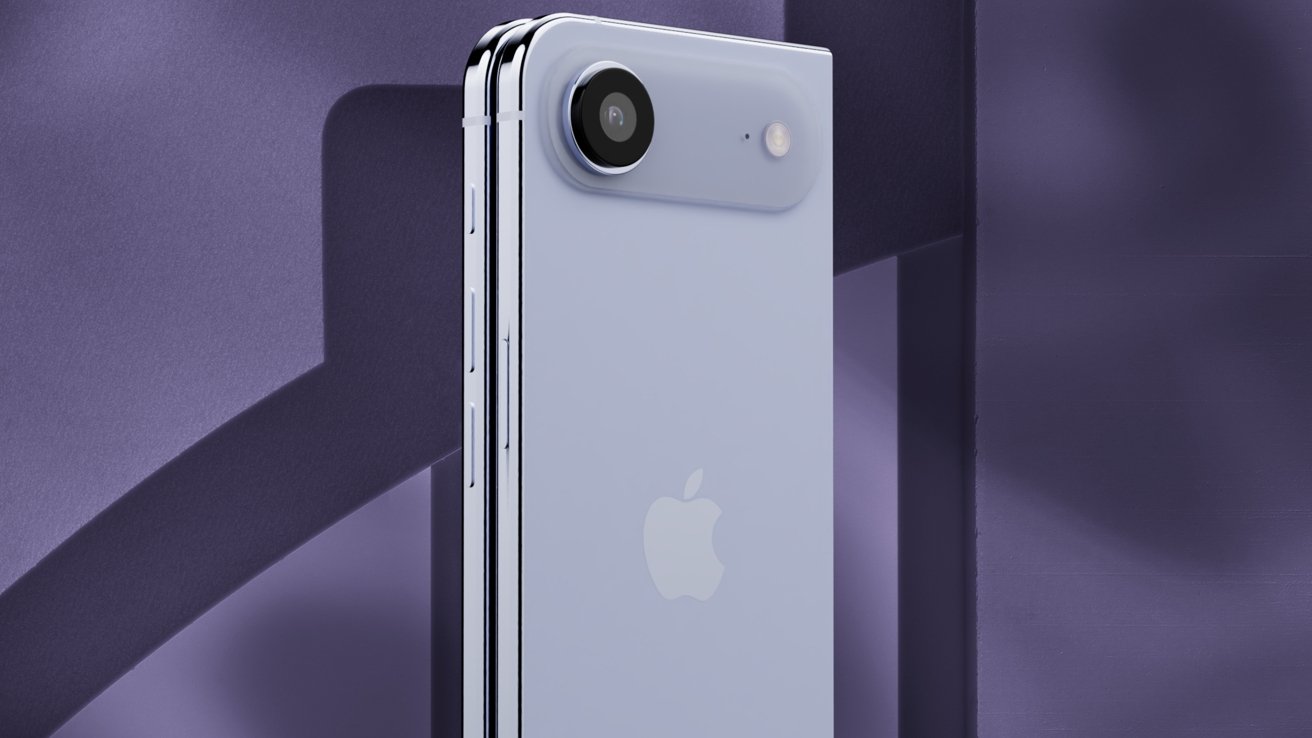
The iPhone Fold is expected to have two screens, with a smaller outer display for general use and a folding internal one that's much larger.
The internal display will supposedly use a hidden under-display camera that will be similar to other foldable device screens, while the external display will rely on a visible punch hole camera.
As for the display's aspect ratio, a March 2025 rumor indicates the iPhone Fold will use a familiar 4:3 format, much like older iPad models.
In June 2025, a different leaker said the internal screen size measures 7.58 inches, smaller than previous claims of 7.74 inches and 7.76 inches. The claimed resolution, however, was maintained at 2,713 by 1,920 pixels.
A month later, an analyst report outlined plans for an alleged 5.5-inch external display and a 7.8-inch internal folding display claimed. This information, again, aligns with previous claims and rumors.
In August 2025, a leaker with an established track record claimed that Apple had made a change in the display tech planned for the iPhone Fold. Specifically, Apple is said to have moved from on-cell sensors to an in-cell screen design. This refers to the positioning of the array of touch sensors within the display sandwich.
With on-cell displays, sensors are located right below the front glass, above the color filter substrate and polarizer. Meanwhile, an in-cell design moves the sensor layer deeper into the screen sandwich, below the color filter substrate but still above the polarizer.
On-cell offers multiple advantages, including better touch sensitivity and an easier manufacturing process. However, Apple apparently discovered that the on-cell approach can cause issues as well.
Allegedy, the iPhone maker found that on-cell screens can develop air gaps that make creases more pronounced. As Apple wants to minimize the appearance of creases, it's moved to the in-cell design. This would, ultimately, bring the display in line with Apple's other iPhones, which already use the same technology.
Apple's own patents serve as an indication of the company's interest and research into foldable display technology.
iPhone Fold — A decade of patents, hinge ideas, and display designs
Flip phones were all the rage in the 2000s — until smartphones came along. Fast forward two decades, and now manufacturers want to make a phone that's smart, AI capable, and foldable. Apple is, understandably, among those developing such a device.

Apple has been researching foldable displays since at least 2014.
Relative to standard smartphones, foldables are more difficult to design and manufacture. Their display components need to withstand extensive use. This, obviously, entails repeated folding of the display.
It takes time to develop and refine this kind of technology. So far, Apple has spent an entire decade researching foldable displays and their potential applications, as can be seen by the various patents and patent applications filed by the company.
A patent application filed by the iPhone maker in 2014 details manufacturing methods for an amorphous alloy known as "Liquidmetal." The material was also referenced again in an Apple patent only a year later, and there are indications Apple will use the material for the iPhone Fold hinge.
In in 2015, Apple also secured a patent for a portable device made almost exclusively from flexible components. This approach would allow for force-based gesture input, while also facilitating larger displays that fold up like a trifold wallet.
Apple was then granted a patent for a dual-display device with a hinge in the middle. This 2018 patent design more closely resembled an iPad or MacBook, though.
In April 2020, another patent detailed flexible batteries that could be used alongside "flexible displays" in a future iPhone.
The same year, an Apple patent application outlined how the use of geared hinges could strengthen the screen of a foldable iPhone. The hinge design featured in the patent application would make the iPhone foldable both inwards, like a book, and outwards in the form of a wraparound screen.
2020 proved to be an even more eventful year for Apple's display research efforts. The company applied for many patents regarding a foldable iPhone, ranging from slidable displays and scroll-like screens to ones with articulated hinges.
Another 2020 patent indicates that Apple may implement self-healing display technology, making it so that iPhone displays could "heal" the inevitable wear and tear. This may be related to the scratch-resistant display coating rumored for the iPhone 17 range, though this idea was seemingly abandoned in April 2025.
Apple has also considered internal screen fold designs, albeit with remarkably complicated hinge mechanisms. As explained in a 2023 Apple patent, the idea was to use added supports for the display at its most vulnerable point, so that users could press down on flexible sections without damaging the screen.
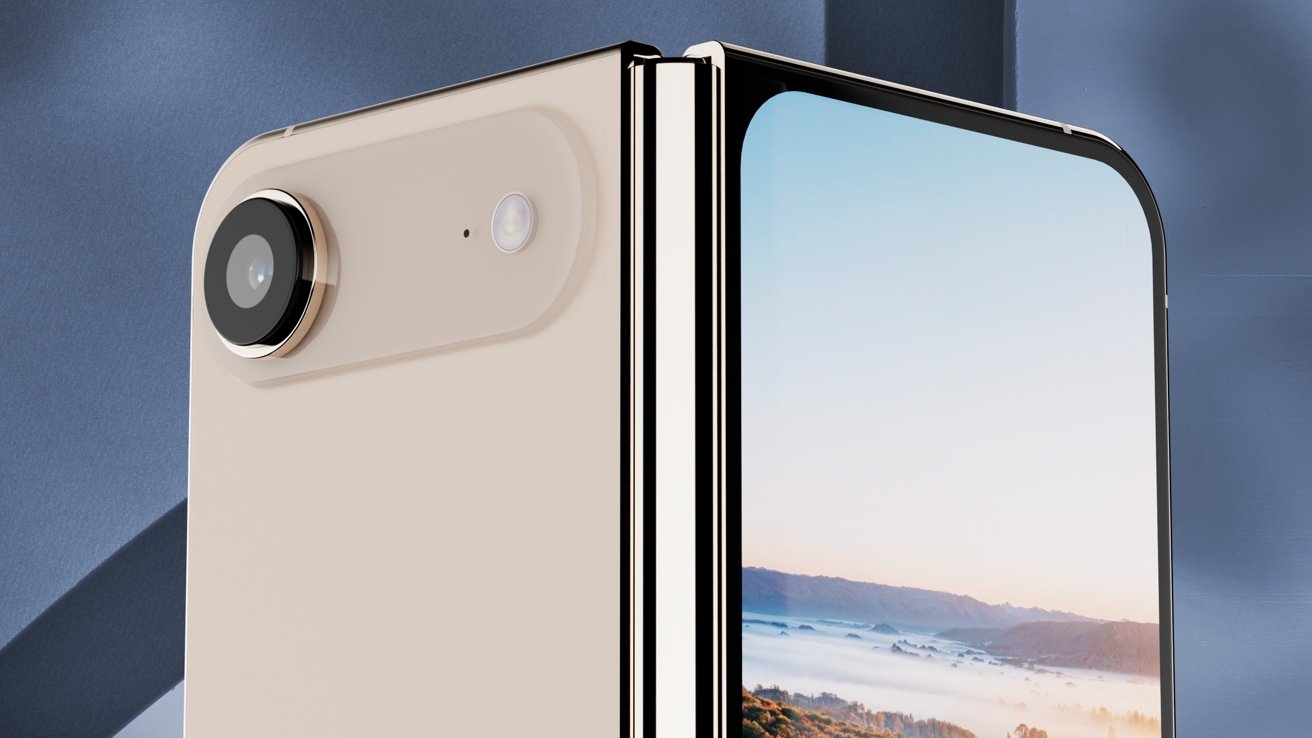
Apple has filed numerous patents application for foldable display hinge designs.
In 2024, the company was granted another patent related to foldable displays. In the patent itself, Apple explains its idea of a glass display that's taper-directed toward the center. In January of the same year, the company secured a patent for stretchable displays as well.
Apple has put thought into the user interface of the folding iPhone and how to utilize the extra screen real estate, as is evidenced by an April 2024 patent application.
While multiple display-related patents and patent applications offer ideas of how Apple could approach the folding iPhone, they're obviously not the only sign that the iPhone Fold is in the works.
In March 2025, a decade after Apple's Liquidmetal design patents were published, Ming-Chi Kuo said the company would use Liquidmetal for the hinge of the iPhone Fold display. The same month, a different leaker explained that the material could be twice as strong as titanium.
Kuo added in October 2025 that, when the hinge hits mass production, the average production cost will be around $70 to $80 per hinge. Manufacturing will reportedly fall to two companies — long-time Apple supplier Foxconn, and Shin Zu Shing, with Luxshare potentially stepping in as well.
In February 2025, a different report revealed alleged details about the display durability. Specifically, it was said that Apple's folding iPhone may not be plagued by a crease at all. Another source then corroborated claims that Apple was working to prevent wrinkles in the display after extended use.
iPhone Fold — Camera rumors
A dubious leak from February 2025 had a stab at the iPhone Fold's camera specs. The list included a new ultra-thin "Meta Lens" front camera, and rear Main and Ultra-Wide cameras.
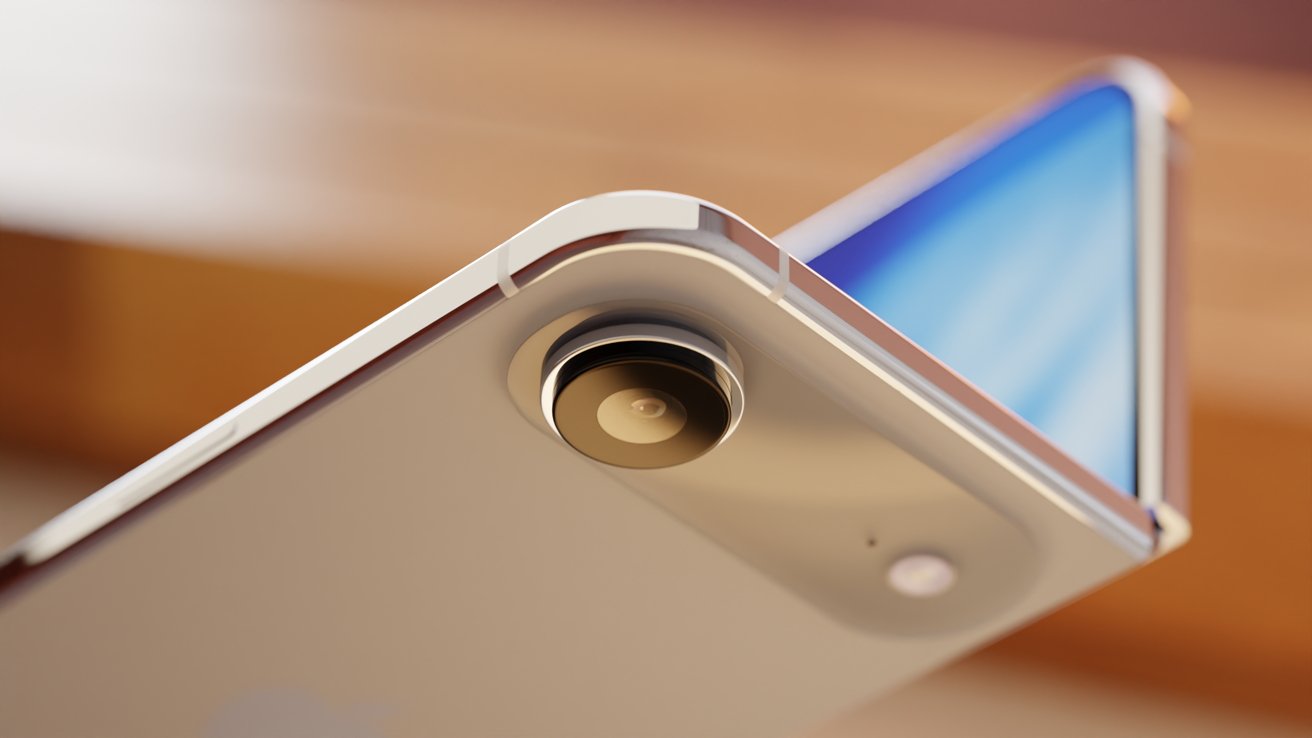
Dual rear cameras are expected with the iPhone Fold.
A month later, in March 2025, Kuo also said the device would have two rear cameras, and one front camera when the iPhone is unfolded.
According to Kuo, the iPhone Fold's internal display will use a hidden under-display camera, similar to those in other foldable device screens, while the external display will rely on a visible punch hole camera.
In June 2025, a third leaker chimed in, corroborating the previous claims that Apple's foldable iPhone would feature two rear cameras. One of them will reportedly be a 48MP sensor, possibly the Fusion Camera apple has used since the base model iPhone 15.
iPhone Fold — Design, dimensions, colors
In terms of design, leakers and analysts have provided specific measurements, offering insights into what the device will ultimately look like.
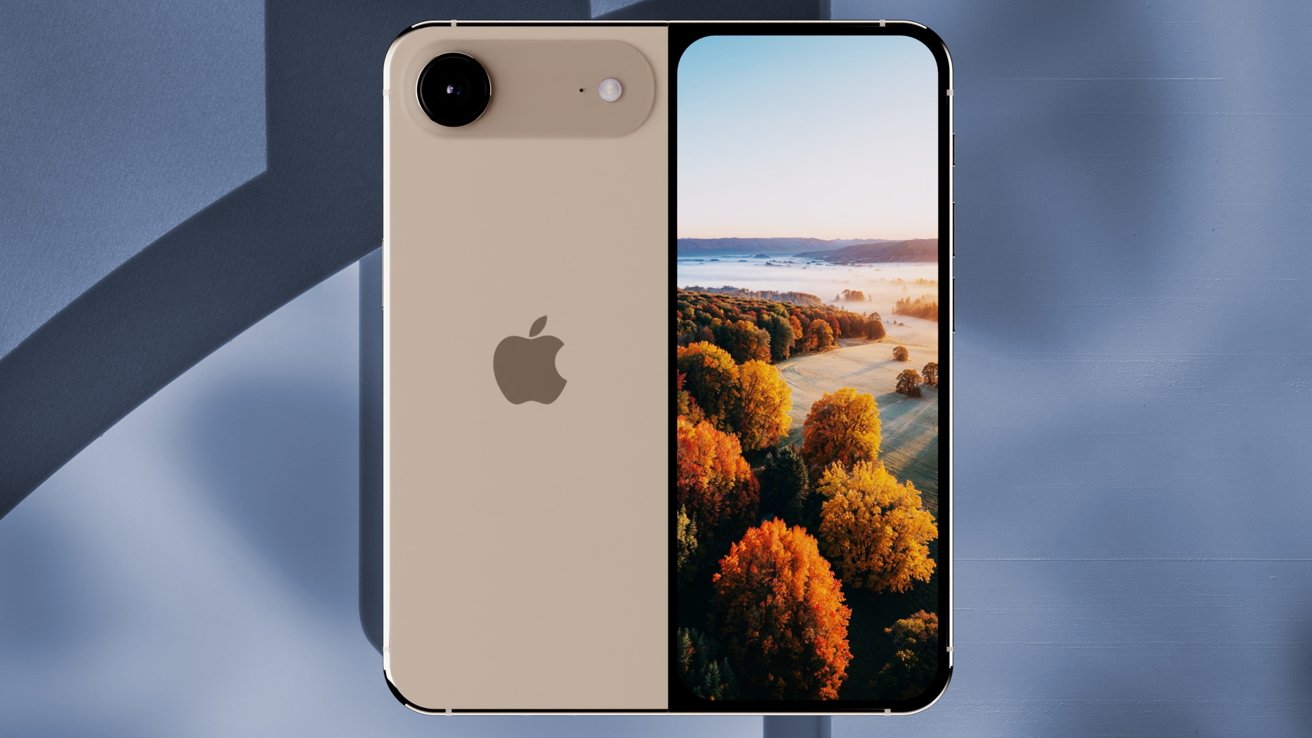
The iPhone Fold could look like one iPhone Air next to another.
In March 2025, Ming-Chi Kuo stated the iPhone Fold would have a folded thickness of approximately 9mm to 9.5mm. When opened, its thickness would be somewhere in the range of 4.5mm to 4.8mm.
Design-wise, Apple's foldable iPhone could look like two iPhone Air units side by side, which would explain the rumored thickness. This is according to a September 2025 report from a generally reliable source.
In August 2025, the same leaker explained the iPhone Fold may end up looking very similar to the Samsung Galaxy Fold. It will, allegedly, have an external display and a larger internal display that's visible when opened.
As with the iPhone Air, it will supposedly be eSIM-only, meaning the iPhone Fold won't have a physical SIM card slot. As per the same source, Apple reportedly tested the device in black and white colorways.
Relative to the iPhone Air, however, the iPhone Fold could end up utilizing an entirely different frame material. Analyst Jeff Pu claimed, in October 2025, that the foldable iPhone will feature a frame made of aluminum rather than titanium.
iPhone Fold — Battery, features, performance
In March 2025, two separate rumors claimed Apple's foldable display engineering efforts included a large focus on power efficiency. This approach would, allegedly, "achieve the goal of slimming the battery by improving the Display Driver Integrated Circuit (DDI)."
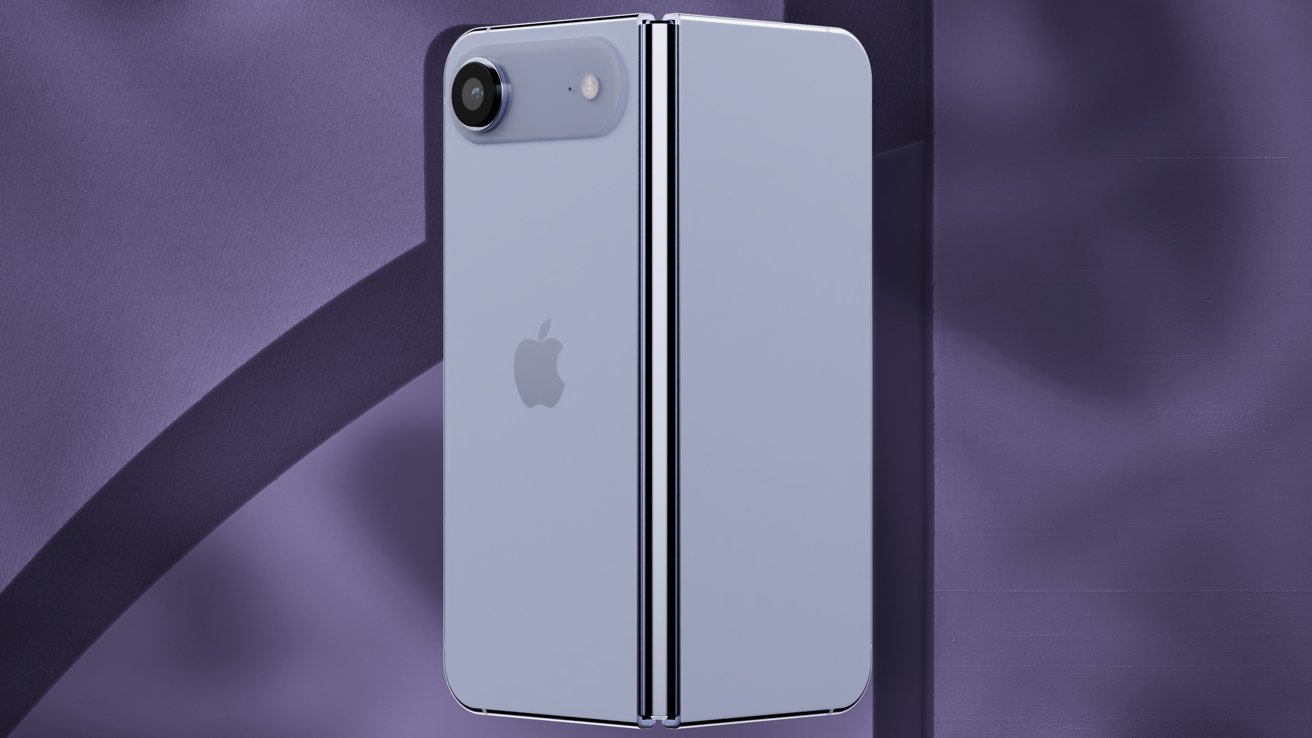
The iPhone Fold may feature a 5000mAh '3D Stacked' battery system.
One of the sources behind the claim said that the IC driver chips in the folding display would be upgraded, from utilizing a 28-nanometer production process to a 16-nanometer version. This should ultimately result in improved battery life, assuming the endeavor was successful.
We've also heard more about the battery itself, with a February 2025 report saying that Apple would use a 5000mAh "3D Stacked" battery cell system for the iPhone Fold. The leak itself was not regarded as reliable at the time, however.
In terms of biometric authentication, the iPhone fold reportedly won't feature Face ID or under-screen Touch ID. Instead, according to Ming-Chi Kuo in March 2025, the device will feature Touch ID built into the side button. The analyst reiterated this claim in September 2025.
Apple first used this side-button Touch ID approach in 2020 on the iPad Air 4, at the time calling it an "incredible feat of engineering." It would not be difficult to imagine this implementation on the iPhone Fold.
Performance-wise, Apple's first foldable iPhone could end up utilizing the A20 Pro chip. An October 2025 report outlined that the A20 Pro will be made with TSMC's 2-nm design, rather than the existing 3nm production process. Smaller transistors should lead to improved efficiency, less heat, and better performance overall.
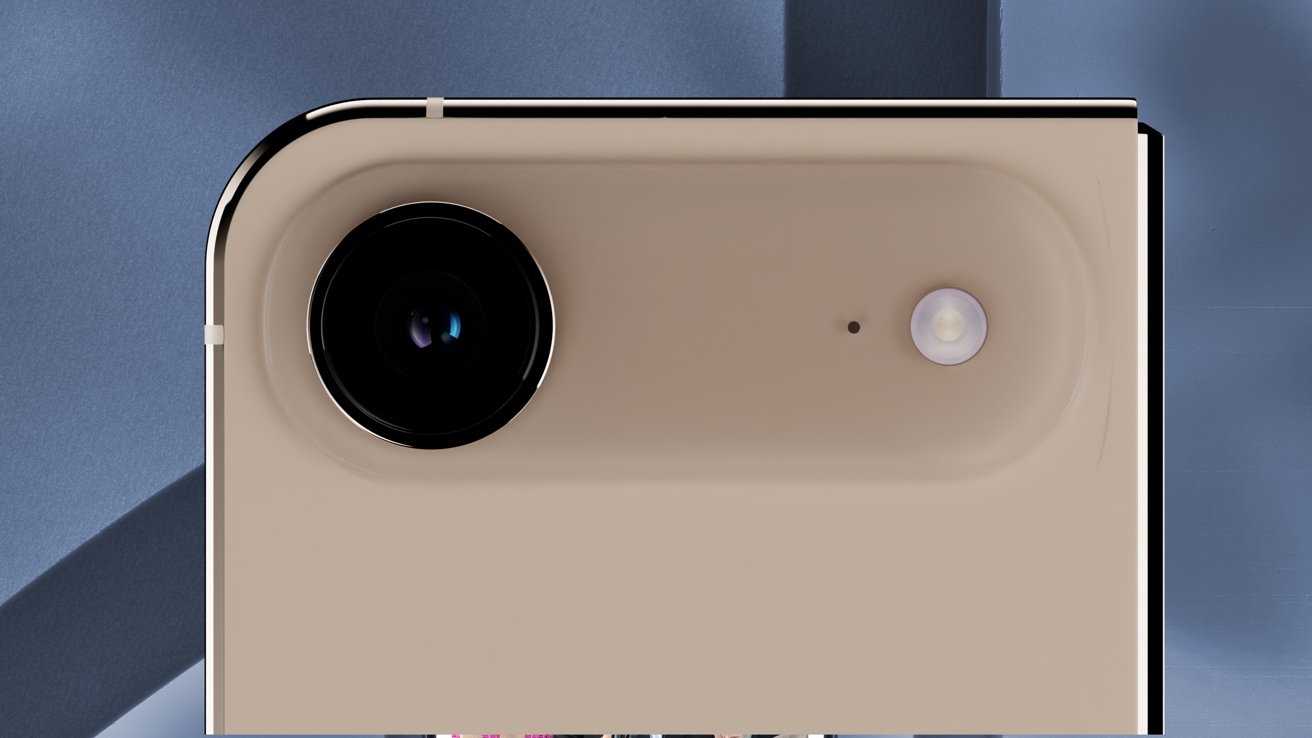
The iPhone Fold could feature Apple's C2 modem.
Another big tech decision by Apple is the modem of the iPhone Fold, which will be used to communicate with cellular networks. Following the initial success of its first in-house modem, the C1, Apple reportedly wants to use the next generation C2 modem in the iPhone Fold.
Apple's second-generation modem will apparently be much closer to the performance of cellular chips from Qualcomm. This is according to an August 2025 report, from a leaker with an established track record.
In February 2025, Apple's SVP of hardware technologies Johny Srouji said the C1 was the first step towards a "platform for generations." Promising to improve the modem with each generation, Srouji says the modem will help Apple "truly differentiate" the connectivity of its products.
Apple's C1X modem has already made its way to the M5 variant of the iPad Pro. It would make sense for Apple to use the C2 in the iPhone Fold.
iPhone Fold — Pricing and production rumors
In terms of pricing, the iPhone fold could ultimately cost around $2300, which is more than a Mac Studio. This is according to an analyst report from March 2025, though Ming-Chi Kuo has also provided a price estimate between $2,000 and $2,500.
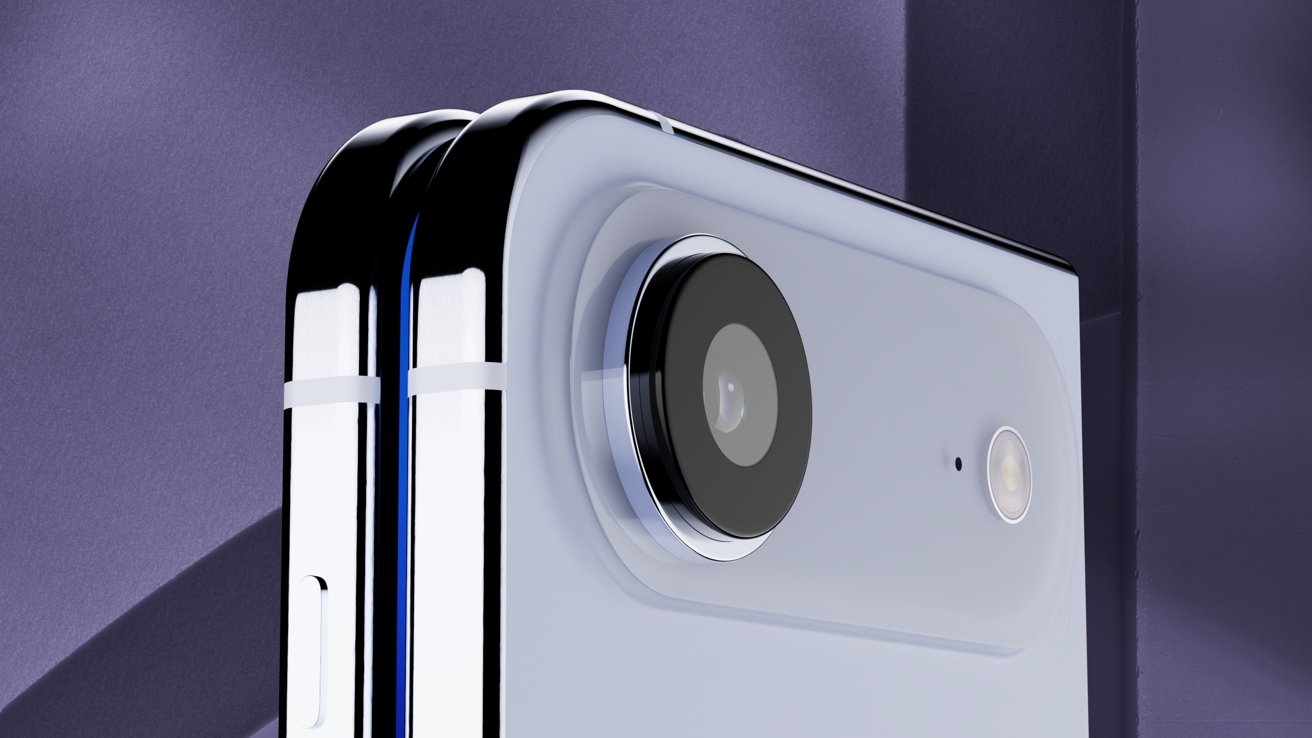
The iPhone Fold is expected to cost between $2000 and $2500.
In April 2025, a third leaker chimed in, saying that the price could end up being between $2,100 and $2,300. According to a September 2025 report from a reliable source, Apple's foldable iPhone end up costing consumers at least $2,000.
Overall, the consensus is that the iPhone Fold will be priced anywhere from $2000 to $2500, making it significantly more expensive than even Apple's current top-of-the-line iPhone models.
Even so, a September 2025 report says that the iPhone Fold will spearhead a huge upgrade cycle in 2026. Supposedly, Apple expects the iPhone Fold to see high demand despite its high price tag. The company has allegedly been briefing suppliers and looking for new production options, in anticipation of a 10% increase across all iPhone sales in 2026.
Apple is predicted to ship between three million and five million units of the iPhone fold in 2026, with production volume constrained by the complexity of manufacturing the device. Kuo predicts that between the first and the rumored second-generation iPhone Fold, Apple could sell 20 million in 2027.
Ultimately, the iPhone Fold remains at least a year away, and some are understandably skeptical about the market performance and potential of the device. Still, quite a few analysts and leakers believe its in the works, there are even claims of a successor product.
We'll see soon enough exaclty what Apple's first foldable looks like, assuming it doesn't get canceled like a few other company projects.