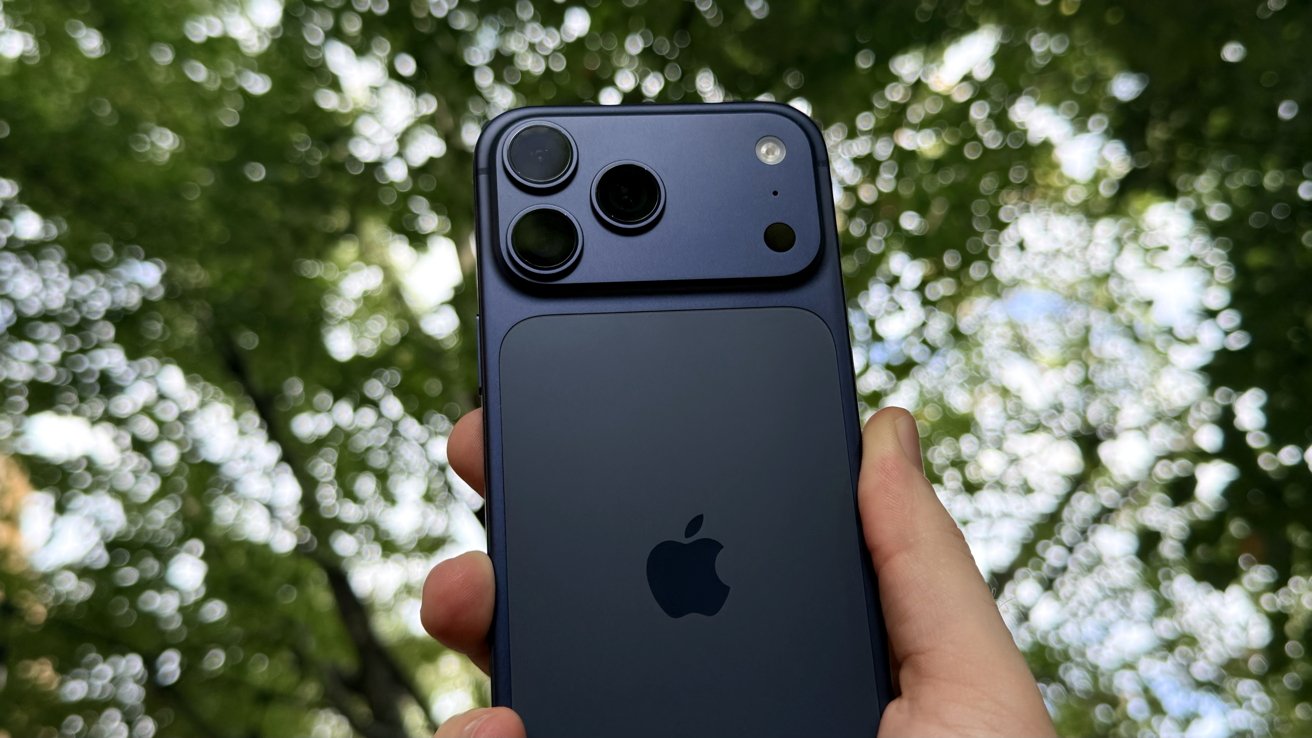
Apple didn't start out as the privacy company, but in the more than 12 years since iPhone 5s, it is the only company trying to offer privacy by default. Today, that's more necessary than ever.
You would think that after years of success with "Privacy, that's iPhone," other smartphone and computer manufacturers would catch on. Nope.
No matter how much consumers vote with their wallets, everyone that isn't Apple aims for the idea of revenue through data collection.
I remember when I began following Apple and buying its products, there was already this concept of privacy as a tentpole feature. Encryption as a default, Touch ID, passcode locks, and the idea that advertisers were the bad guys appealed on many levels.
There was a time when I would visit various nerd communities and find posts where people would say, "I want Google to know everything about me. The more it knows, the better it is."
At one point in the early 2010s when I didn't know any better, it seemed like a good idea. Your technology can't work for you without knowing things about you.
I had no idea what such convenience would cost, and in some aspects, I'm still picking up the pieces. Apple is the first company that made me aware of what's at stake for the end-user.
Privacy is a fundamental human right
I know it is easy to look at the megacorp Apple is today and become heavily cynical. The actions of CEO Tim Cook have been appalling through the second Trump term, even if there's an argument to make that those actions are necessary for business.
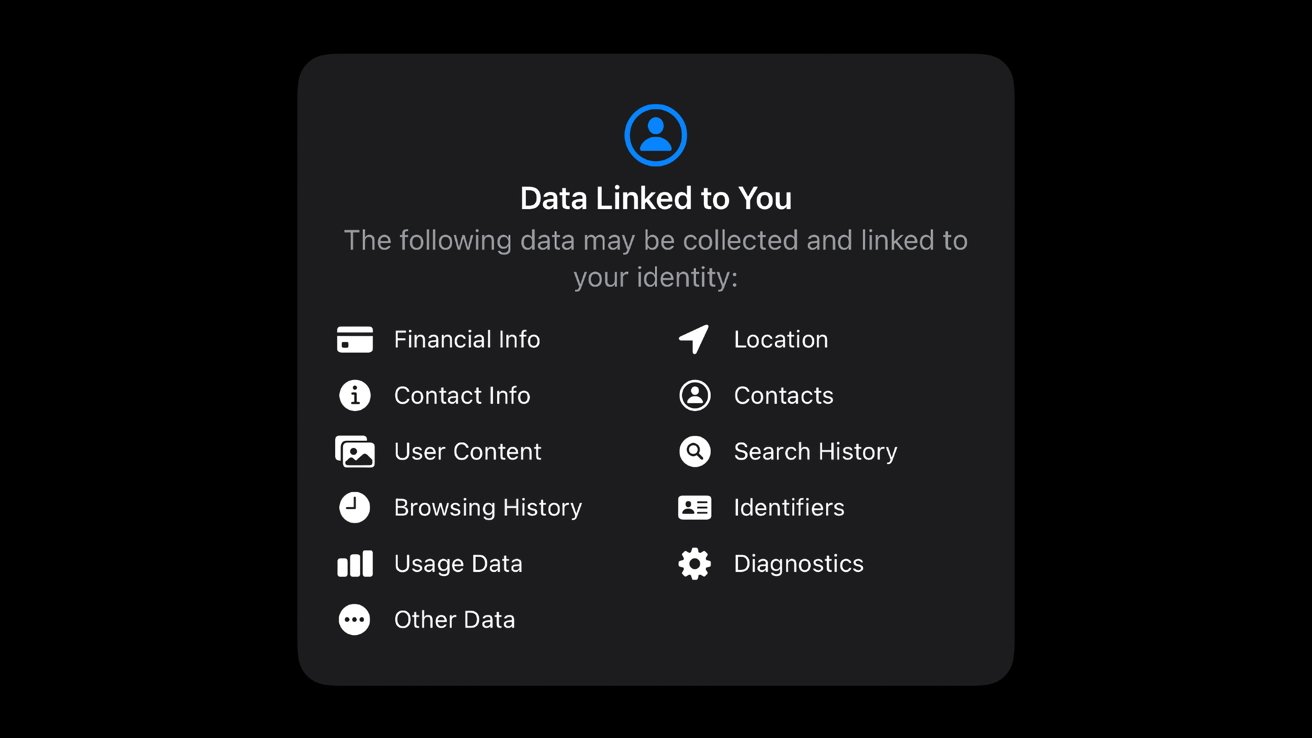
Apple's industry-leading privacy features ensure users stay safe and informed
Scrape beyond the surface of those easy-to-write headlines, and Apple is the same company I became obsessed with around 2014. Its dedication to preserving user privacy and security was an obvious pull once I was made aware of the abuses that can occur when companies have your data.
Once I knew what to look for, it was easy to spot all of the rampant abuse. My data was being handed around and used in a way that I did not agree with.
Something as simple as my commute to work becomes a monetizable entity. Others had their potential pregnancies revealed via ads and recommendations on Amazon.
It's all gross when you dig into it.
The conspiracies began, suggesting that their devices were recording everything they said and sending it to advertisers. The truth, funny enough, was much more invasive.
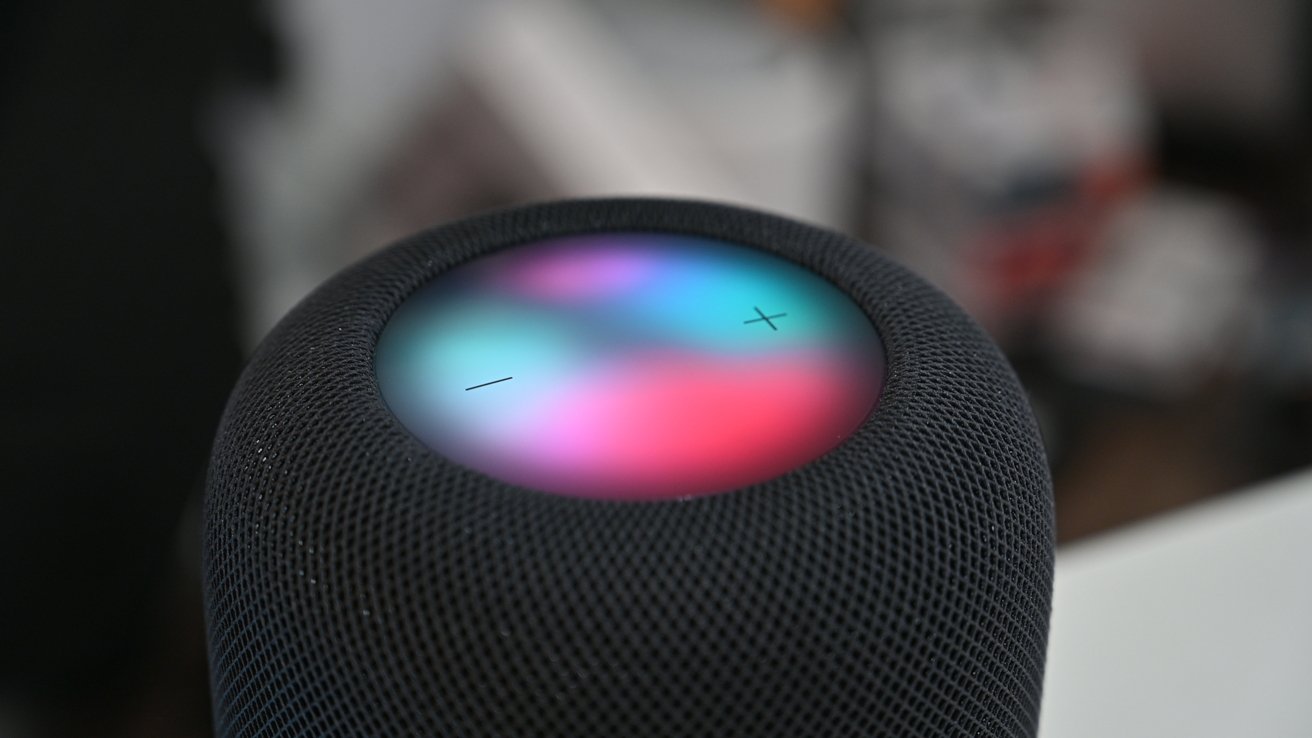
We trust Apple enough to fill our home with its microphones, and that's a hard-earned trust
The data collection was so efficient that hearing what you say to someone was less useful.
Adopting privacy as a feature
Apple didn't always put privacy and security at the forefront. Various ad campaigns would hint at Apple's product security, like showing how Macs didn't get viruses.
That wasn't true then, and it's not true now. Mike Wuerthele was talking to me about Scores, nVIR, and a bunch of others from back in the day. But the infection rates were and are far, far lower than Windows. And, they're certainly better on iPhone than on Android.
The modern version of Apple's privacy campaign didn't truly set in until after iPhone 5s with Touch ID and the Secure Element. That was 2013, just before I went all-in on the company.
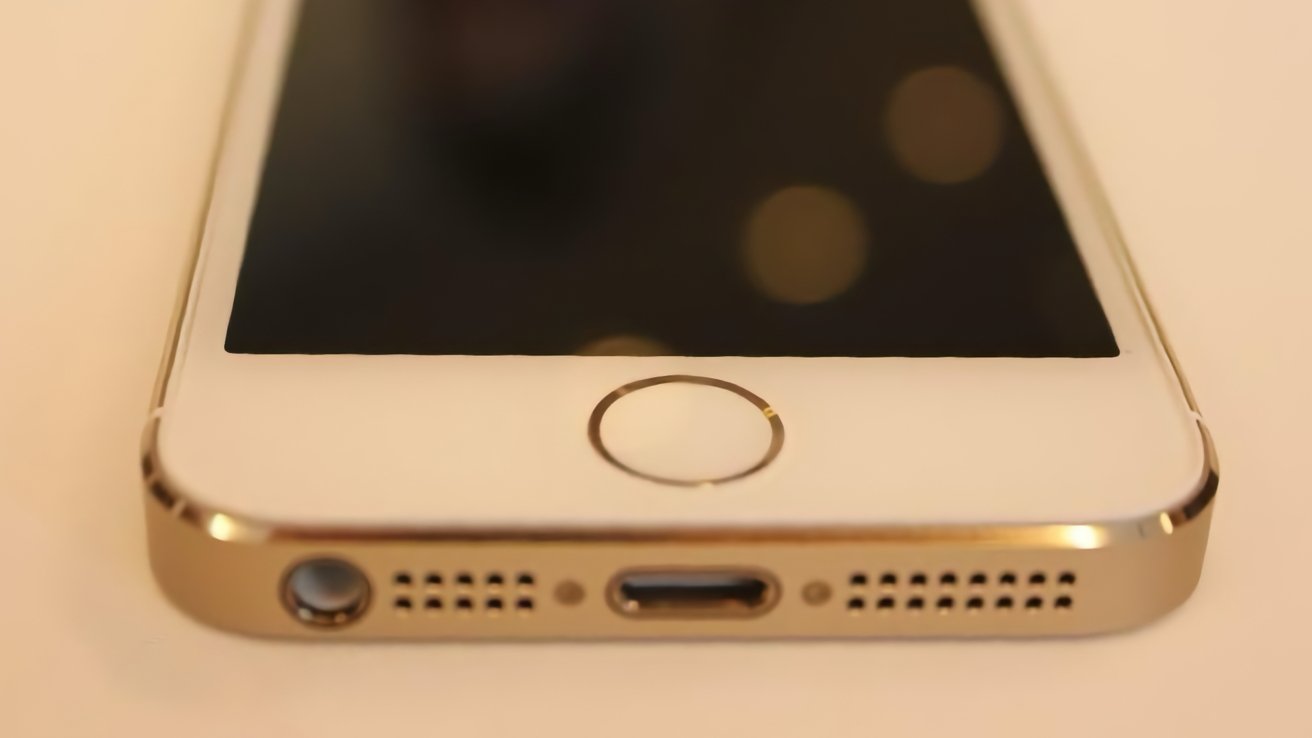
iPhone 5s introduced Touch ID and the Secure Element
Performance and redesigns were a big part of that product reveal, but Touch ID and privacy made their mark. It was a promise that your device could know everything about you while keeping it safe and secure.
Touch ID was pitched as a convenience tool that didn't compromise security. It laid the groundwork for what would give Apple its privacy image it has today.
Then, Apple's promise of privacy and encryption had to stand up in the court of law.
The San Bernardino shooting put Apple's commitment to protecting users to the test, and ultimately, they won. For years after, the FBI would seek ways to get a backdoor into iPhones, and ultimately failed.
The FBI turned to external entities for hacking tools, which are constantly thwarted by software updates on iPhones. Even though Apple's ability to stand up to the government might be in question today, its commitment to privacy and security hasn't wavered, even a decade later.
Apple is the only one doing this
There is nothing stopping other companies from ensuring consumer data is protected from hacking or subpoenas beyond expense. Having access to that user data is also useful to these companies, as it can be gathered, aggregated, and sold.
Privacy. That's iPhone. Image source: Apple
But by having access to that data, these companies open the door to governments being able to request it. Apple isn't immune to government requests either, but it has much less data to provide, especially when Advanced Data Protection is enabled.
In a world increasingly ruled by surveillance, Apple is among the few companies working to ensure your data remains yours. Even other companies that have encryption on devices don't consistently protect data in transit or in the cloud.
Other tools like App Tracking Transparency and iCloud Private Relay go further to ensure iPhone users remain private while browsing the web.
Meanwhile, Meta is coming up with new ways to surveil users. Ring wanted to turn its cameras into a police surveillance network.
Google, Meta, Microsoft, and other companies are being asked to hand over data to profile users as anti-ICE, or even mildly critical of the current administration. They're complying.
There isn't anything stopping other companies from focusing on privacy beyond profits
Governments can subpoena Apple all they want, and Apple will comply and hand over what they have. What they have is almost nothing.
And each year, Apple finds a way to have even less.
Worse, artificial intelligence is asking users for everything, including their most private thoughts and data. It's one of the biggest data thefts in the history of mankind.
Meanwhile, Apple Intelligence isn't doing that.
As of today, Apple is still the company I can turn to for devices and services with trust. I don't have to worry about my personal data being mishandled, because Apple doesn't have it.
Of course, I am not saying that other platforms can't be made more secure. Android, Windows, various services, and yes, even AI can be private and secure too.
However, you have to work for that on those platforms, where it's the default with Apple. And, Apple's platforms have stood up to scrutiny, while others have not.
That kind of trust is hard to earn. I don't know of any other company in that position.