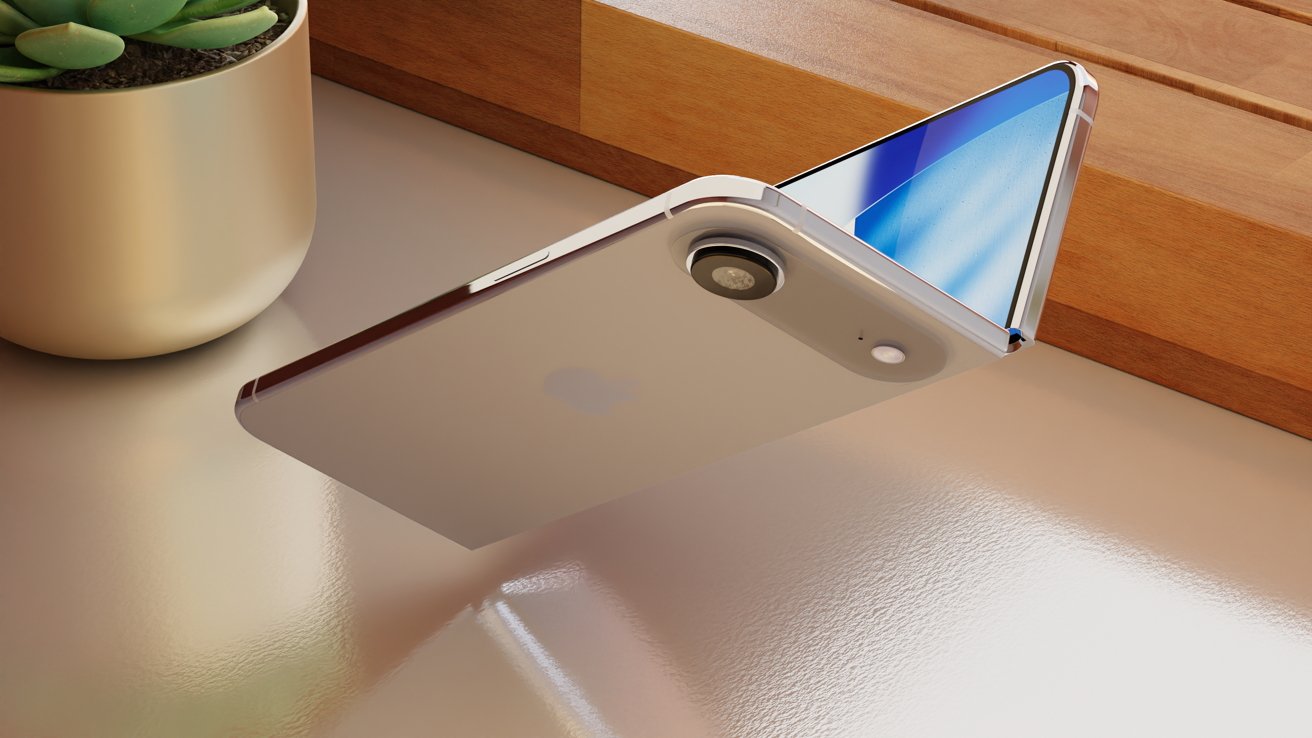
A popular rumor monger shared that the iPhone Fold will most likely be eSIM only, which seems obvious, given it will be based on the eSIM-only iPhone Air.
The iPhone Air is controversially only available with an eSIM, which introduces some immediate limitations on the global market. It even delayed the launch of the slim iPhone in China to mid-October due to regulatory issues.
The iPhone Fold is likely to run into a similar problem. Instant Digital shared what seems like more guesswork than rumor on Weibo, first shared by MacRumors, where they say iPhone Fold "has a great probability of not having a SIM card."
The poster goes on to say that they hope China will improve its eSIM experience "as soon as possible." It is well known that users in places like China prefer physical SIM cards, but that didn't seem to be a deterrent for iPhone Air sales.
The ultra-thin and light iPhone Air sold out in minutes during pre-orders when they went live in China. Even though Chinese smartphone buyers tend to like physical SIM cards, they may like new designs more, which is shown by the iPhone Air's reception.
However, some believe the iPhone Air hasn't been received well, but the data supporting that is slim at best.
Conflicting reports of demand
Apple doesn't share sales numbers, but some believe the iPhone Air hasn't sold well and may have led to production cuts. These kinds of production-related reports come through every year without fail, and they almost always lack context.

iPhone Fold will be placed above iPhone Air in the lineup, not iPhone Pro
Apple CEO Tim Cook has stated many times before that looking at one portion of the supply chain for hints of how a specific device is selling will not provide accurate results. Think of it this way: it's like trying to describe an elephant by touch while wearing a blindfold, you'll describe a completely different creature depending on if you're by the trunk or the leg.
A separate report suggested that Apple isn't going to slow iPhone Air production. However, whichever report is accurate, it lacks a full view of Apple's supply chain and its internal sales numbers and targets.
Whatever the case, iPhone Air is certainly no flop, and being eSIM only doesn't seem to be an issue for buyers, even in a country where that's historically been the case. There is little doubt that iPhone Fold will not have eSIM either, but that likely won't be the make-or-break aspect of the device.
The iPhone Fold will be an expensive, low-margin, low-volume product — a rarity for Apple's usual launches. The Mac Pro, for example, is a rare entry into that kind of market for Apple.
The iPhone Air is, by necessity, a compromised device that has proven to be controversial for buyers. The iPhone Fold will exacerbate these compromises by being a device that has lower specs than an iPhone Pro at a higher price while operating at as an iPad mini when open, not iPad Pro.
That said, regardless of iPhone Air's sales numbers or iPhone Fold's probability of success, the lowest sales numbers from Apple are the envy of the world. The iPhone Fold is expected to launch in the fall of 2026.