The first developer beta of iOS 26.3 is here, and with it, settings that make transferring to Android easier and notification forwarding for third-party wearables.
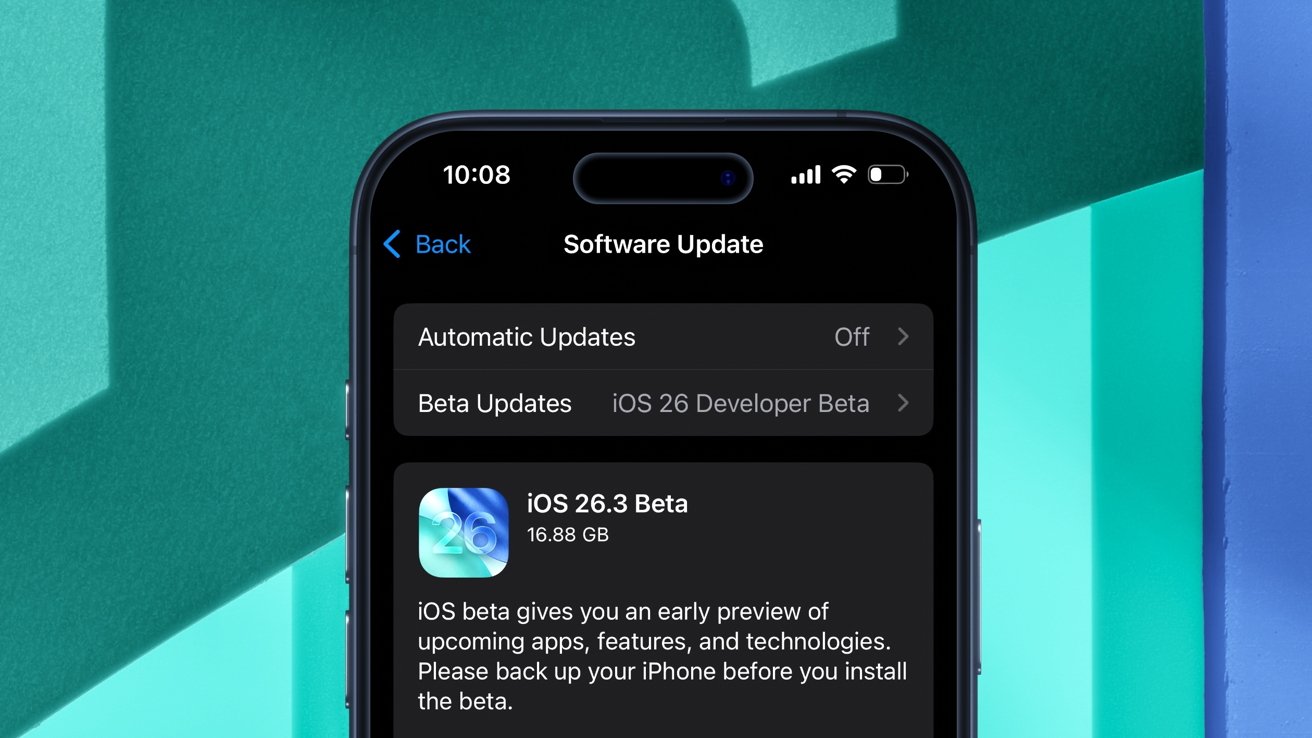
On Monday, just days after iOS 26.2 made its way to the general public, Apple started the iOS 26.3 beta testing cycle. The iPhone software update has the build number 23D5089e, up from 23C55 on the public release of iOS 26.2
As a whole, iOS 26 and iPadOS 26 brought about a multitude of changes, the most visible being Apple's controversial "Liquid Glass" design language. The following update, iOS 26.1, delivered new toggles for existing system features, along with additional customization settings for Liquid Glass.
iOS 26.2, made available to everyone on Friday, introduced 30-day access codes for AirDrop along with automatic episode chapter generation for the Podcasts app. We also got new settings for the iPhone's Side button, letting users in Japan select a third-party virtual assistant in place of Siri. Third-party app marketplaces are now available to users in Japan as well.
With Monday's iOS 26.3 update, Apple delivered two changes that had already been on the horizon for some time, and both of them have to do with non-Apple devices.

iOS 26.3 simplifies transferring to Android
Following Google's decision to make switching to iPhone easier through a dedicated setting, Apple has now done the same for those who wish to transfer their data to an Android device.
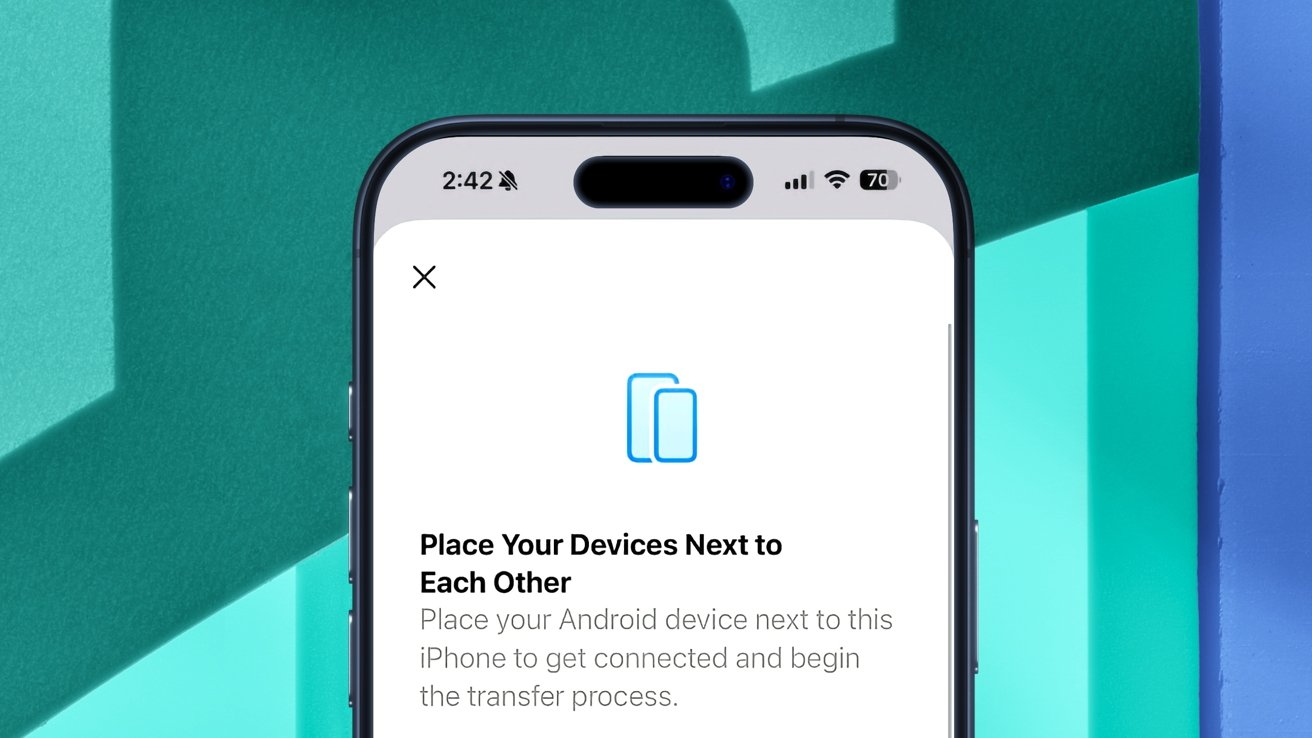
iOS 26.3 has a new setting for transferring data to an Android device.
The device switching features are rolling out as part of a collaboration between Apple and Google. To be more specific, iOS 26.3 includes a new Transfer to Android option in the Settings app, which users can find by navigating to General, Transfer or Reset iPhone.
"Place your Android device next to this iPhone to get connected and begin the transfer process," Apple's description reads. The company emphasizes that apps, photos, messages, and the phone number used with an iPhone can be transferred to an Android smartphone.
"Health data, devices paired with Bluetooth, and protected items like locked notes" cannot be transferred to an Android device from an iPhone, even if it is running iOS 26.3.
Apple has also outlined the requirements for transferring data to Android, saying that both devices need to run "the latest software," and that they need to be connected to Wi-Fi with Bluetooth set to active.
Those who choose to transfer data to an Android device wirelessly can do so via a session ID and pairing code. Alternatively, it's also possible to use the iPhone to scan a QR code displayed on an Android smartphone.
The platform switching capability is available globally, though that hasn't stopped the European Union from taking credit and saying its Digital Markets Act caused the change.
The appearance of this new transfer process in iOS 26.3 beta 1 is hardly a surprise, and we've known this was coming for months.
In May 2025, code from the Android QPR1 Beta 1 build suggested that the Google SIM Manager app included language to help users transfer their eSIM from iPhone to Android. There was also a mention of a new "Transfer to Android" section in the iOS Settings application.
Apple delivered another similarly unsurprising change with Monday's developer beta, and it has to do with non-Apple smartwatches.
iOS 26.3 beta 1 brings notification forwarding to third-party wearables
With iOS 26.3, users will now have an easier time working with third-party timepieces, particularly as it pertains to notifications. In short, the notification forwarding feature will make the iPhone work better with smartwatches from manufacturers other than Apple.
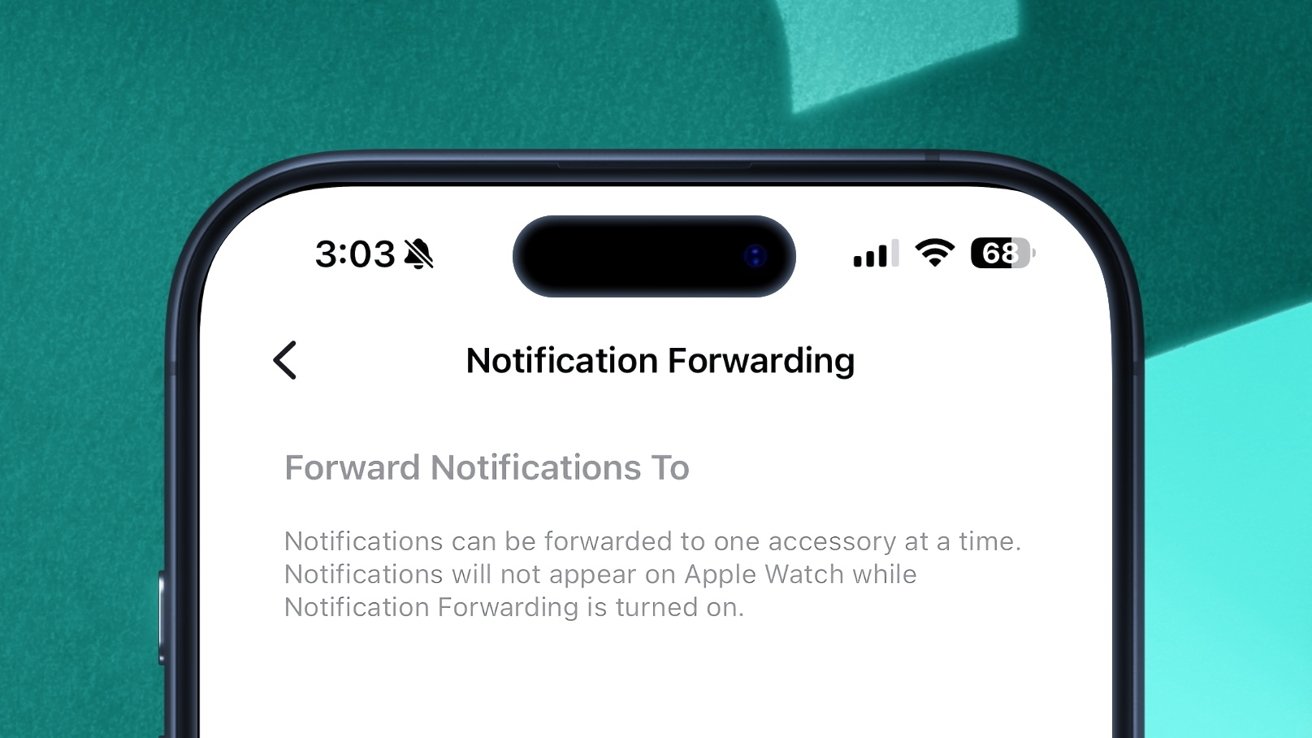
iOS 26.3 enables notification forwarding for non-Apple smartwatches.
The new capability, found in the Notifications of the Settings application, controls whether notifications from an iPhone can be displayed on another non-Apple device.
Previously, iOS 26.1 beta code alluded to this feature working with "one accessory at a time," and that if enabled, it would disable Apple Watch notifications. Monday's iOS 26.3 beta confirms this is indeed the case.
The move was likely made to ensure Apple's compliance with interoperability requirements, namely those of the European Union's Digital Markets Act. In essence, the DMA requires Apple to make some of its proprietary features available on devices from other manufacturers.
Apple was similarly forced into opening up the iPhone's NFC hardware, effectively helping Apple Wallet rivals. The iPhone maker later made the same capabilities available to developers in the United States.
With iOS 17.4, the EU also made Apple enable third-party app marketplaces in the region. It's ultimately not much of a surprise that Apple decided to roll out a feature that works with third-party devices rather than opting to deal with regulatory compliance issues.
Overall, the iOS 26.3 developer beta only delivers two meaningful changes, and it remains to be seen whether or not the update will add anything else of note. The following release, iOS 26.4, is expected to include the previously delayed personal context capabilities for Siri.