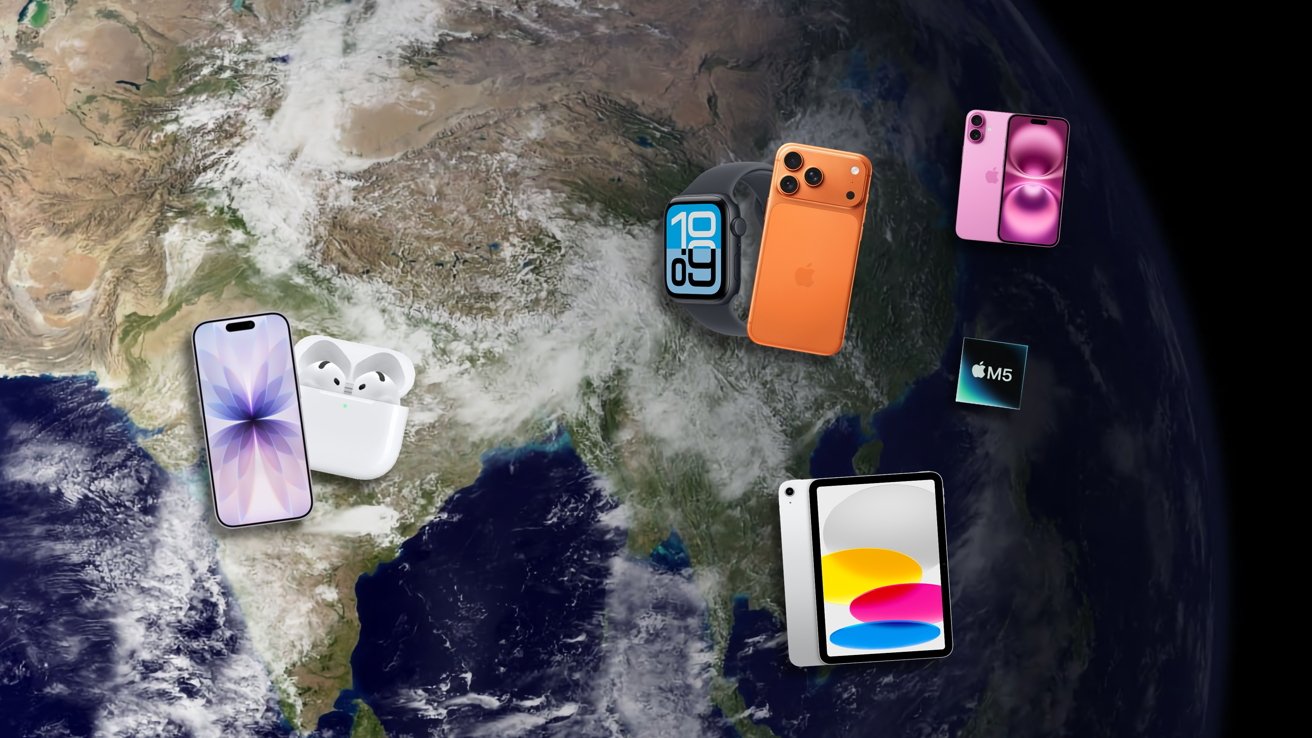
Making an iPhone or iPad is a global effort, with companies across North America, Europe, and Asia contributing to every stage of the process. Here's how it all fits into place.
Apple relies on multiple supply chain partners, with assembly plants located throughout the world. The United States' ever-changing tariff policies throughout 2025 affected everyone, from consumers to corporations. It made us more aware of where a given product was made.
While the average person had to figure out the extra fees they had to pay for orders from China, Apple had to find ways of diversifying its already complex supply chain.
Apple's chip suppliers
Before an Apple product can even be assembled, the company needs to secure its individual components. Parts for an iPhone, such as RAM, NAND chips, displays, image sensors, and more, are sourced from separate supply chain partners, each of whom has an established relationship with Apple.
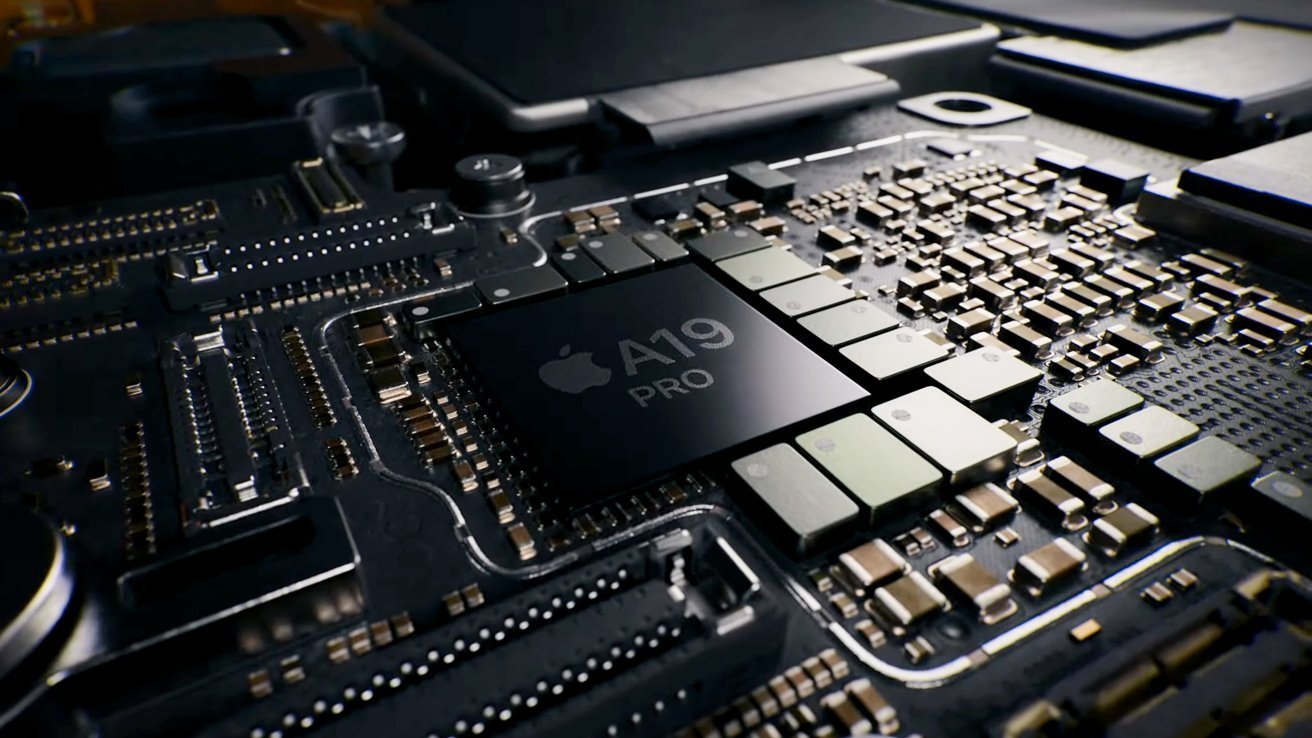
The A19 Pro, like all Apple Silicon chips, is produced by TSMC.
TSMC, short for Taiwan Semiconductor Manufacturing Company, produces the chips that house the processing hardware found in Apple devices. Though the chips themselves are designed by Apple, most of them are actually made at TSMC's Taiwan foundry.
To be more specific, TSMC's latest manufacturing processes cannot be used outside of Taiwan, by law. So the state-of-the-art processing hardware in the iPhone and iPad is likely going to come from Taiwan for the foreseeable future.
Older Apple chips, meanwhile, are also produced elsewhere in the world. TSMC also has an Arizona facility, where it produces chips like the A16 Bionic and the S9 Apple Watch chip. The A16 Bionic is found in the 2025 model of the 11-inch iPad, though it was also used in the iPhone 14 Pro and standard iPhone 15.
TSMC has effectively been the sole supplier of iPhone processing hardware since the A10 chip, which debuted with the iPhone 7 back in 2016. The A9 chip was produced by TSMC as well as Samsung, which supplied chips used in the original iPhone up to the A8 chip in the iPhone 6.
The change itself is visible through Apple chip identifiers, as hardware produced by TSMC generally always starts with a "T." The A18 chip, for instance, bears the identifier T8140. Chips made by Samsung feature a designation that begins with the letter "S," such as the s5L8930, more commonly known as the A4 chip.
In essence, any Apple chip made within the last decade was produced by TSMC. With the increasing demands of AI companies, however, Apple is seeking to reduce its reliance on the Taiwanese manufacturer. Part of the solution seemingly involves turning to its old chip partner, Samsung.
In August 2025, Apple announced that it was working with Samsung on an "innovative new technology for making chips. At the time, Apple claimed the work was being done at Samsung's semiconductor facility in Texas.
Separately, analyst Ming-Chi Kuo claimed in November 2025 that Intel would produce lower-tier Apple Silicon chips, though it remains to be seen if this will actually happen.
The change wouldn't represent a shift back to Intel-designed chips for Macs, though. Apple's computers haven't had Intel processors inside since the 2020 MacBook Air. Additionally, macOS Tahoe is the last release of macOS compatible with Intel-based Macs, meaning there's no going back.
While Apple currently relies on a single supplier for its processing hardware, the same is not true for the RAM used in the iPhone maker's products.
RAM and Storage — Apple's NAND chip suppliers
Apple sources NAND chips for its products from a variety of established suppliers. This is true for the iPhone, iPad, and the various Mac configurations that Apple offers.
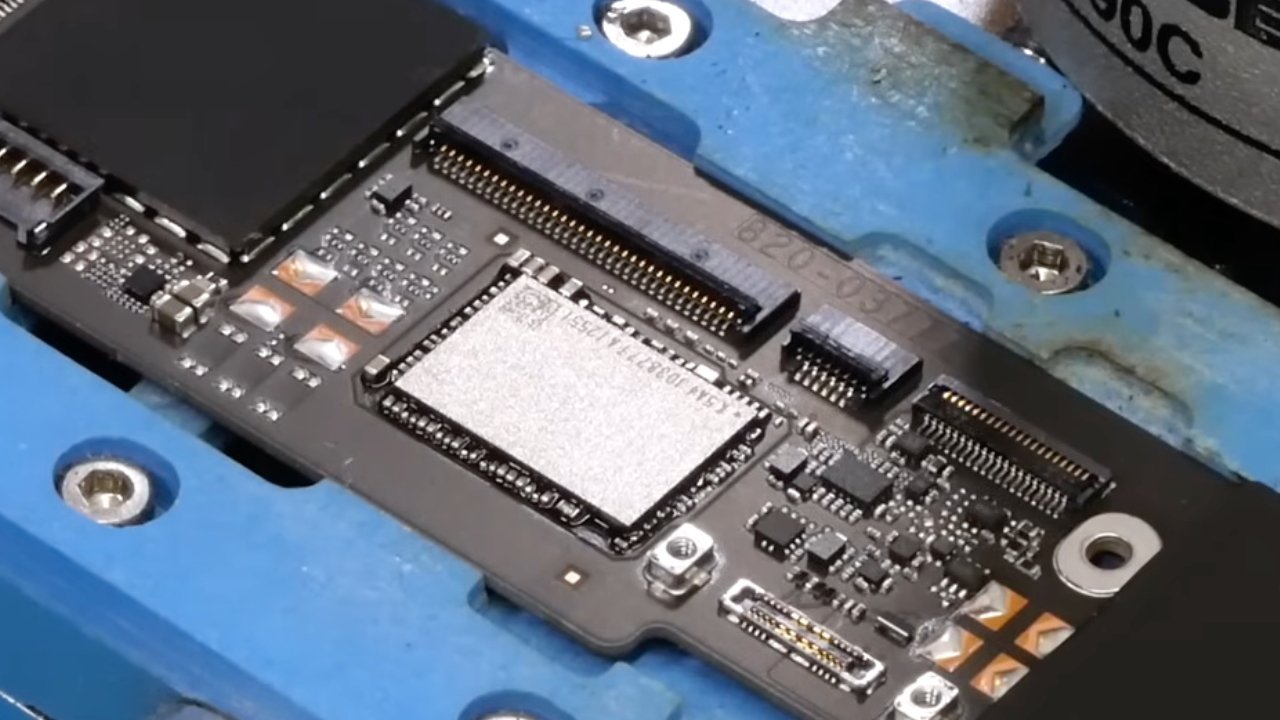
Most newer Apple products use NAND chips for storage.
For storage options on iPhone, Apple relies on NAND chips produced by SK Hynix, Western Digital, Kioxia, and Samsung. These companies have been around for decades, and they're arguably the top players in the market.
When it comes to RAM, Samsung and SK Hynix are on the list again, with the addition of Micron. This is according to people familiar with the vendors Apple relies on for its hardware projects.
Samsung produces its NAND flash memory chips in China and South Korea, and the same is true for SK Hynix. Micron has facilities in China, Singapore, Japan, and the United States. Western Digital and Kioxia produce their NAND chips in Japan.
Apple currently uses LPDDR5X RAM for its products, with all new Macs offering at least 16GB of unified memory. iPhones and iPads with the A19 Pro and M5 chips are offered with a minimum of 12GB of RAM.
Apple's display partners
Chips aren't the only thing Apple has ordered from Samsung. The largest supply of OLED panels for the iPhone and iPad Pro is Samsung Display, which has manufacturing facilities in South Korea.
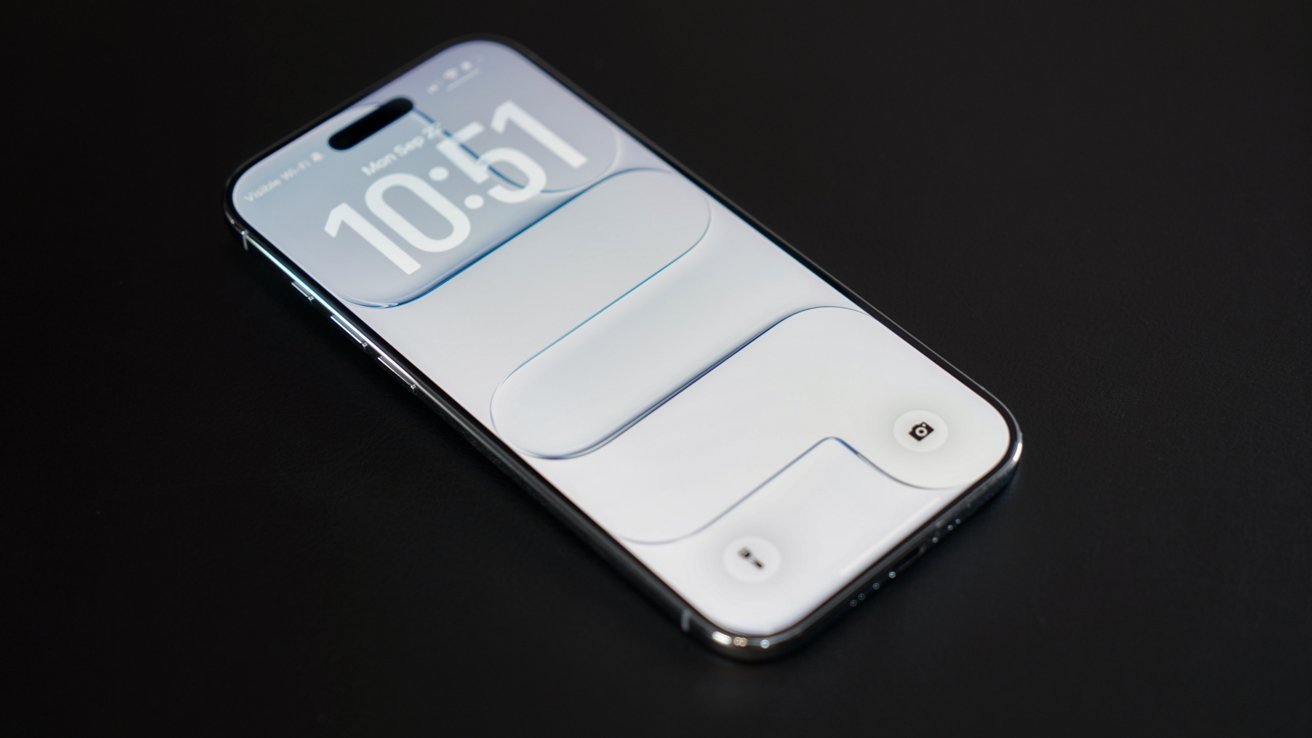
Apple sources iPhone displays from Samsung, LG Display, and others.
Apple also relies on the South Korea-based LG Display, which supplies Apple-designed panels for the Studio Display, among other products.
Like Samsung Display, LG also produces displays for the iPhone 17 range, with the two companies primarily supplying components for the "Pro" iPhones. The upcoming iPhone Fold, another high-end model, is also said to feature a Samsung-made display.
Displays for the standard iPhone, particularly its region-specific variants, are also sourced from BOE. The company primarily produces displays for the base model iPhone sold in China.
Along with the display itself, Apple's iPhone range is also equipped with a protective layer, known as Ceramic Shield. The term was introduced in 2020 with the iPhone 12 range, though all previous iPhone models used Gorilla Glass, which was made by the same company, Corning.
Corning is based in the United States, and it also produces the protective cover glass found across the Apple Watch range.
Apple's exclusive camera supplier
For the camera models in iPhones and iPads, Apple relies on Sony. The two companies have had a partnership for well over a decade, with image sensors for Apple devices being made in Japan.
However, an August 2025 report suggested that Apple was working to reduce its reliance on Sony by using Samsung camera models, made in the United States. It remains to be seen, however, whether this will actually happen.
Who makes other Apple device components
The other core components of an iPhone or iPad are supplied by a variety of companies. Batteries are sourced from the China-based manufacturers Amperex, Sunwoda, and Huizhou Desay, as well as from Samsung.
Gyroscopes, power management ICs, and inertial measurement units, or IMUs, are provided by STMicroelectronics, which is headquartered in Switzerland, and facilities in France.
Audio chips are provided by Cirrus Logic, which has locations in the United States, the United Kingdom, China, Japan, Taiwan, and Singapore.
Modems for the iPhone 17 range are supplied by Qualcomm, while the iPhone 16e, iPhone 17e, iPhone Air, and cellular versions of the M5 iPad Pro use Apple-designed C-series modems.
Texas Instruments supplies Power Management Integrated circuits, along with board components for the Apple Vision Pro. Other suppliers include Onsemi, Lattice Semiconductor, and USI.
In short, Apple uses a variety of suppliers for individual components, but the situation is more straightforward when it comes to the final assembly.
Where the iPhone is put together
Apple's most significant assembly partner for the iPhone is Foxconn, also known as Hon Hai Precision Industry, with facilities in Guanlan and Zhengzhou in China. This is where products like the iPhone are assembled.

Foxconn is one of Apple's main assembly partners.
Specifically, this is where most iPhone models are assembled, including the standard variant, the Pro, and the Pro Max models.
Additionally, Foxconn also has a factory in India, and roughly one in four iPhones is assembled in the country. Pegatron and the Tata Group have assembly plants in the country as well.
The number of iPhones assembled in India has increased in recent years, as part of a supply chain diversification strategy to reduce reliance on China.
Foxconn's India facility primarily makes the base model iPhone. The same is true for Foxconn's Brazil facility, which assembles lower-tier iPhones locally to avoid high import fees in Brazil, rather than focusing on export.
Additionally, select iPhone models are assembled by Luxshare ICT. Notably, the company produced the iPhone Plus line, which has since been replaced by the iPhone Air.
Where the iPad is assembled
Much like the iPhone, Apple's iPad line is also assembled by Foxconn in its Zhengzhou and India facilities.
Wistron and Pegatron also assemble the iPad in India.
iPad assembly is also conducted in Vietnam, with the Chinese company BYD Electronics. Compal Electronics also produces select iPad models, like the iPad mini, in China, Taiwan, and Vietnam.
Where the Apple Watch and Apple Vision Pro are assembled
As with the iPhone and iPad, the Apple Watch is also primarily assembled at Foxconn plants in China. Around 90% of Apple Watch units are produced in China, by Foxconn, Luxshare, and Quanta Computer.
Vietnam is the second major assembly hub for the Apple Watch, with Foxconn and Luxshare both having facilities in the country.
The Apple Vision Pro is similarly assembled in Vietnam and China, with Luxshare acting as the primary contract manufacturer. Initially, Apple's headset was only assembled in China, but assembly of the M5-powered model has shifted to Vietnam.
Where Apple's Mac lineup is assembled
The MacBook Air and MacBook Pro, like most Apple products, are both assembled by Foxconn and Quanta Computer in China and Vietnam. The laptops are still primarily assembled in China, though.
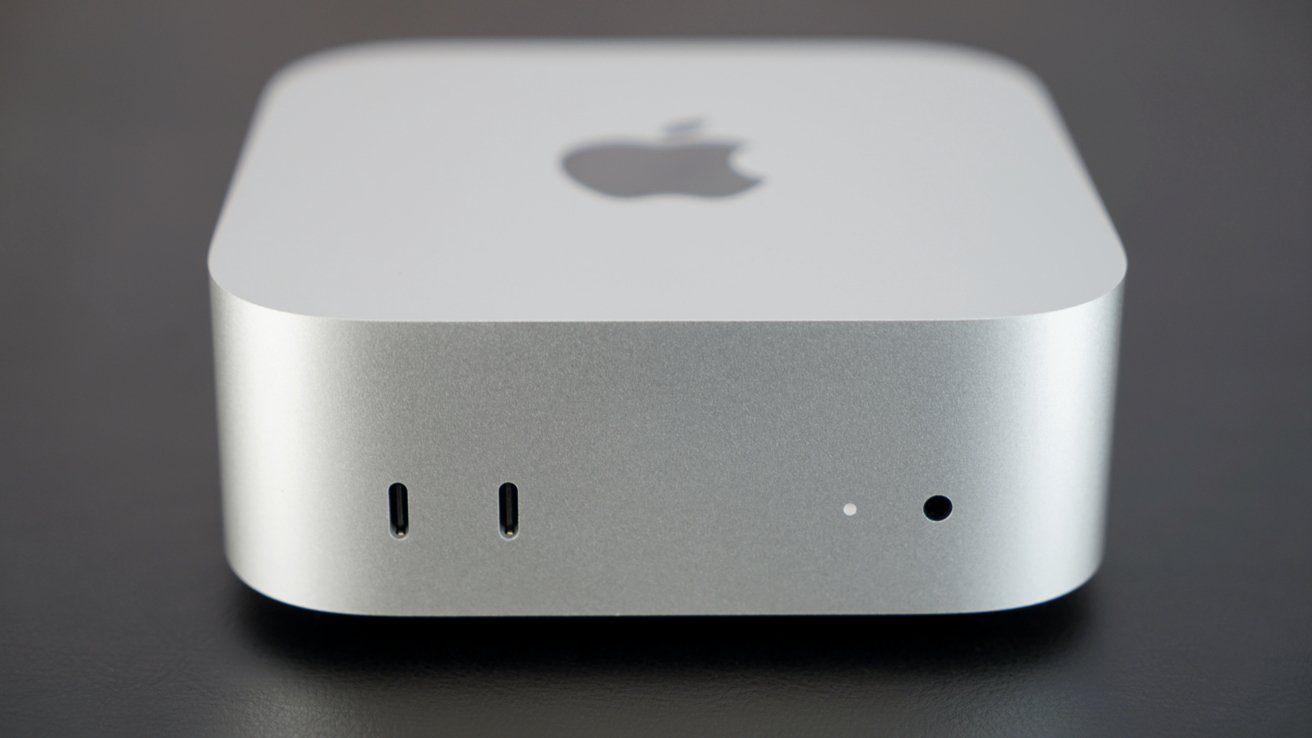
The Mac mini is set to be assembled in the United States in 2026.
Apple's budget-oriented laptop, the MacBook Neo, is assembled in China as well, with the primary assembly partner being Quanta Computer, and additional assembly again handled by Foxconn.
It's effectively the same China and Vietnam assembly story with the Mac Studio, but the situation is somewhat different with the Mac mini. Though production is still largely focused on China, the Mac mini is also set to be assembled in the United States.
Starting in late 2026, Foxconn's facility in Houston, Texas, will begin assembling the Mac mini. Foxconn's Texas plant is also set to assemble servers to power cloud-based Apple Intelligence features.
Previously, the 2019 Mac Pro was also assembled in Texas, albeit in a facility operated by Flex Ltd. formerly known as Flextronics. The product line has since been discontinued.
Aside from the upcoming US-made Mac Mini, the iMac is the only other Mac that's also produced outside of China and Vietnam.
Apple maintains a wholly-owned facility in Cork, Ireland, that assembles built-to-order configurations of the iMac for the European, Middle Eastern, and African markets.
Standard configurations, however, are still assembled by Apple's traditional manufacturing partners in China — Foxconn and Quanta Computer.
Where HomePod and AirPods are assembled
Vietnam and China remain a major assembly hub for the HomePod lineup. Apple relies on Foxconn, Luxshare, BYD Electronics, Inventec, and Goertek for HomePod assembly.
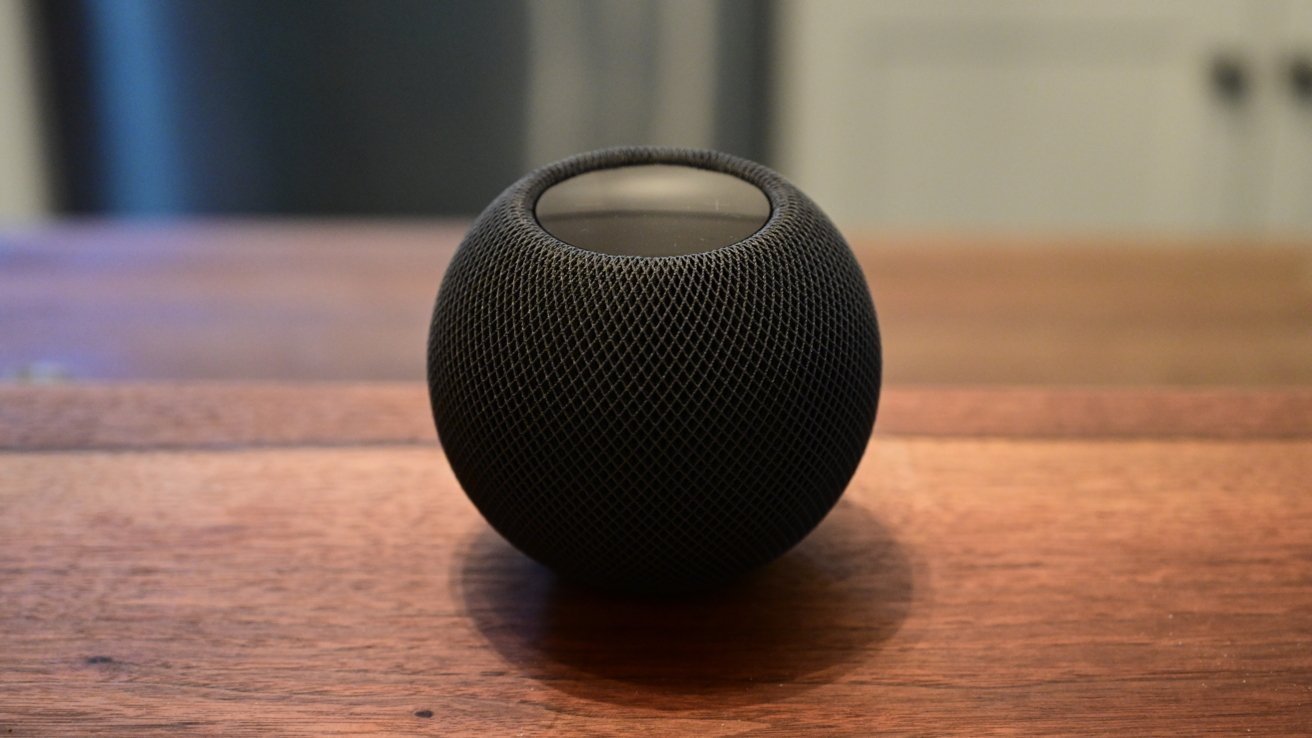
The HomePod, like other Apple products, is made in China and Vietnam.
The same Apple assembly partners also produce models belonging to the AirPods range, including AirPods Pro, AirPods Max, and the standard AirPods.
As of March 2025, AirPods are also assembled at Foxconn's India facility, located in Hyderabad, Telangana. Products assembled there include AirPods 4 and AirPods Pro 3.
Overall, most Apple products are produced in China and Vietnam, with an increasing number of devices being assembled in India as a supply chain diversification measure.
The only real exceptions are the iPhones made in Brazil, the Mac mini, which is set to be assembled in the United States, and custom iMac configurations, which are put together in Ireland.
Why the 'Made in USA' iPhone will never become a reality
Despite Apple's Texas efforts with the Mac mini, Apple products will never be primarily assembled in the United States. As we've said previously, even with President Trump's insistence on iPhone assembly moving to America, that won't happen anytime soon.
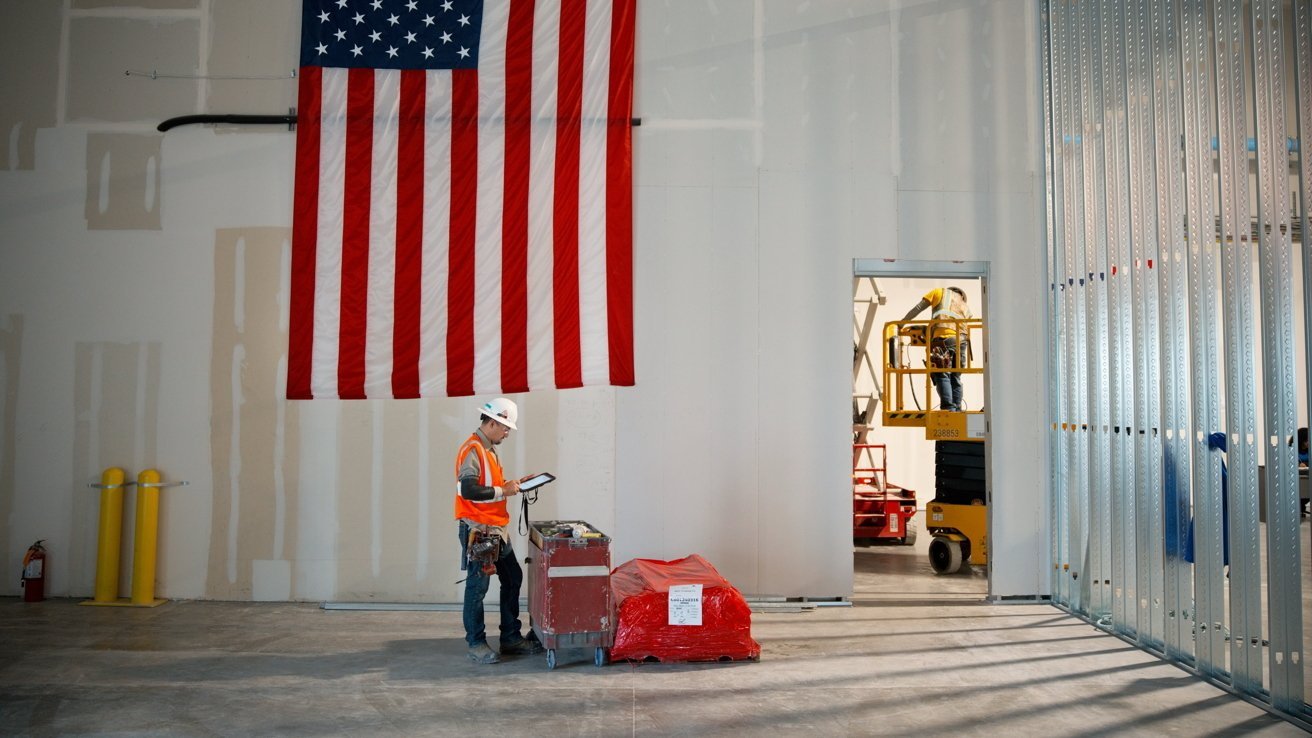
Apple will continue to rely on a diverse supply chain.
In the United States, Apple would never be able to source the necessary skilled labor at the scale and cost currently available in countries like India, China, and Vietnam.
And aside from TSMC's Arizona facility, and Foxconn's Texas assembly plant, Apple would need to build multiple factories to produce its products.
Even if large-scale final assembly was made possible for all of Apple's product lines, the company would still have to rely on manufacturers in China, South Korea, and elsewhere for iPhone components.
By law, TSMC can't use its latest chip production processes outside of Taiwan, and the processing hardware is the core component of an Apple product.
If Apple were to to try and substitute its international supply chain partners with ones in the United States, the iPhone and iPad would more than likely become more expensive as a result. Simply put, it would be an unreasonable choice.
There's also the issue of materials necessary for production, as Apple would never be able to source all the needed rare earth minerals and metals needed for part manufacturing.
It ultimately makes sense that only select Apple product lines are usually assembled in the United States, with the components still coming from around the world.
Apple's current supply chain strategy shows a need to reduce its reliance on China by expanding elsewhere in Asia, with a particular focus on India and Vietnam. That pattern is likely to continue in the years ahead, with U.S. manufacturing investments always being in the backdrop.