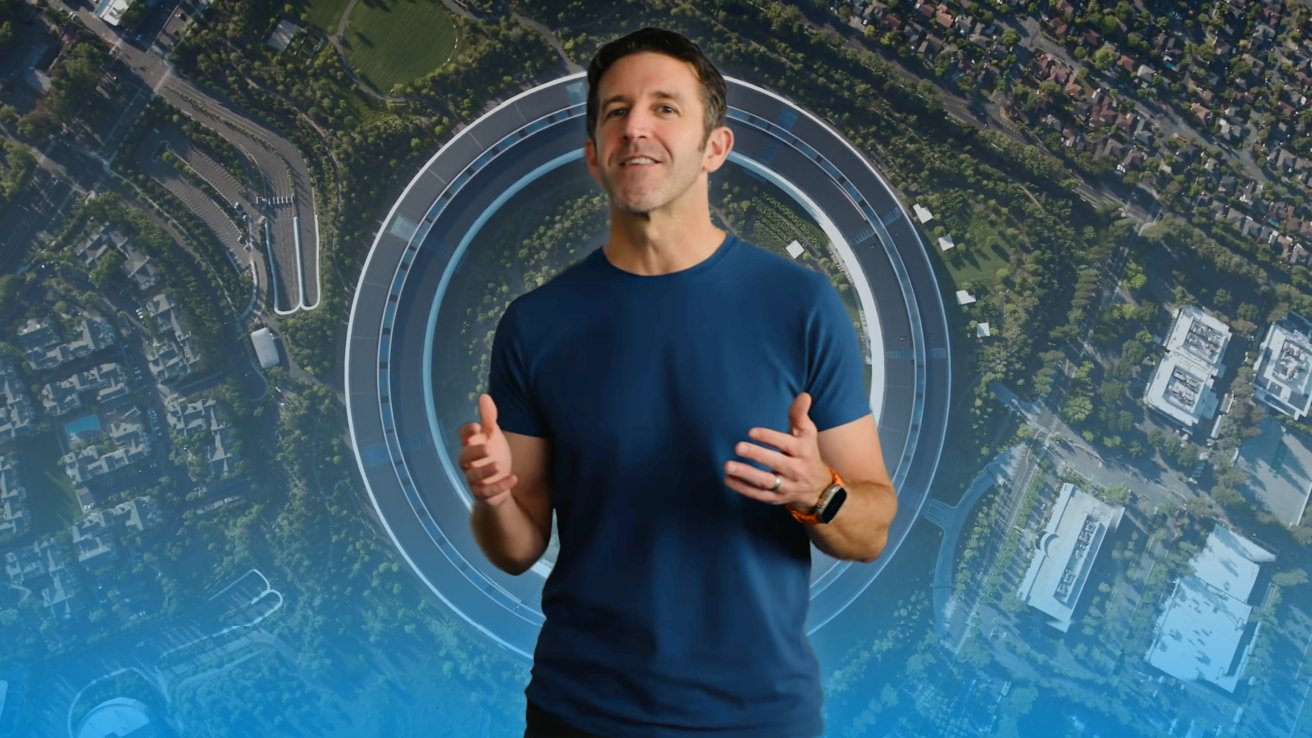
John Ternus was the center of speculation as being the best and most likely choice for the next Apple CEO, and those predictions came true. Who is he, and how did he get here?
Apple, like many other massive companies with giant workforces and a decades-long history, has to plan for the future direction of the company. Part of that preparation involves determining who will take control as CEO after the current leader departs, and what to do to prepare for that inevitability.
For Apple and its aging leadership, Apple had to find its replacement for Tim Cook. Even though Cook wasn't thought to be retiring in 2026, the sheer size and number of moving parts at Apple meant it had to prepare in advance, so there's enough of a runway for the heir to the position to get ready, as well as the company itself.
That person is John Ternus, Apple's Senior Vice President of Hardware Engineering. Following speculative reports claiming he was a leading internal candidate among a strong field, Apple confirmed on April 20 that he will be Cook's replacement.
Here's the story of John Ternus, the hardware leader who will soon get the keys to the entire Apple kingdom.
Pre-Apple
Compared to the corporate journeys of other high-level executives in tech, Ternus had a relatively direct and minimalist path to joining Apple. His LinkedIn profile shows only one education listing and two career roles under his experience, and one of those is Apple.
It isn't a straight line, but it comes close.
Originally from California, Ternus emerged from the University of Pennsylvania in 1997, graduating with a bachelor's degree in Mechanical Engineering. He was on the varsity swim team.
His senior project at Pennsylvania was a mechanical feeding arm. The intention was for it to be used by quadriplegics and other people with limited mobility to control the arm's motion using head movements.
This was a somewhat apt project to take on, considering Apple's various in-development projects. This includes the smart home robot that is rumored to effectively be an iPad on a robot arm, as well as the Pixar-like emotive lamp that's an Apple Machine Learning Research project.
Exiting from university, he then found employment at Virtual Research Systems. In his role as a mechanical engineer, he spent his time at the start-up working on headsets and accessories in the gradually growing field of VR.
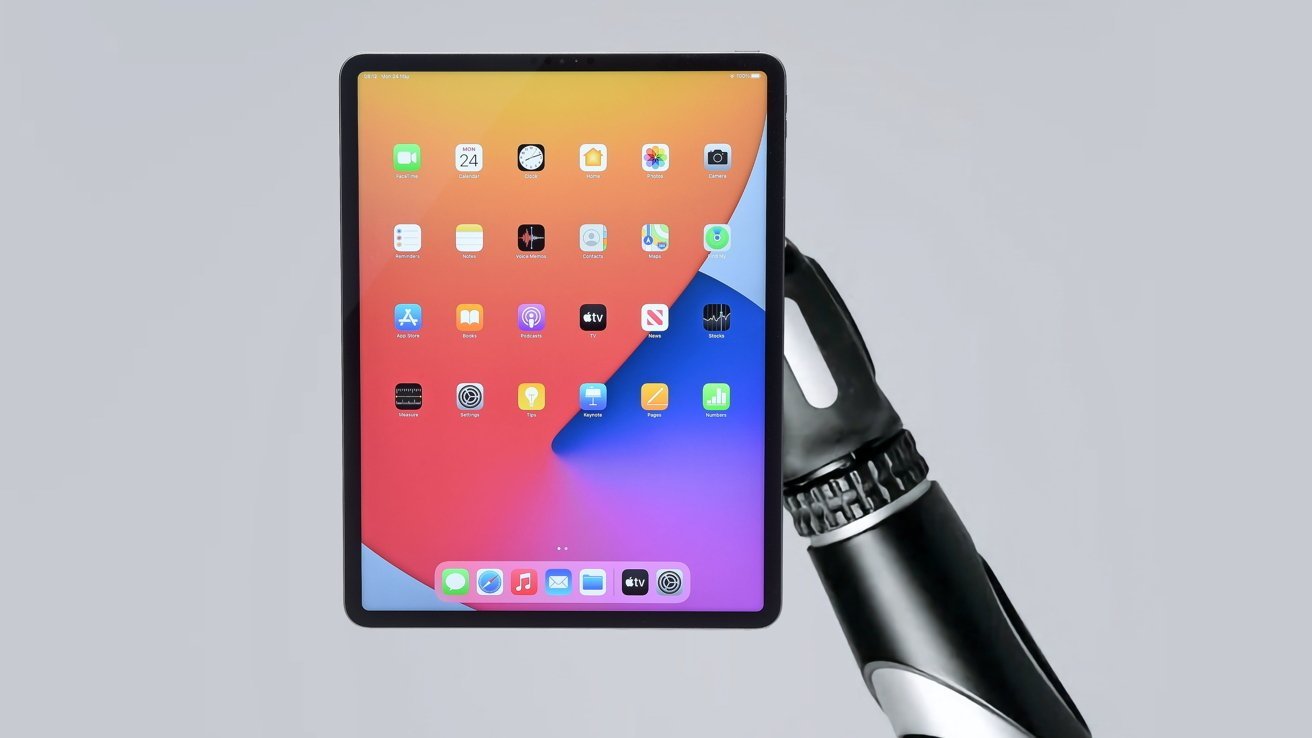
An iPad on a robot arm concept could lean on Ternus' college experience
Just like his university project, Ternus' experience here probably helped later on at Apple, given the creation of the Apple Vision Pro and the long-rumored Apple Glass smart glasses.
Ternus only spent a few short years at Virtual Research Systems. Barely four years after leaving Pennsylvania, he signed up to Apple.
Before becoming SVP
Ternus joined Apple in 2001, using his experience at his previous employer to become part of the product design team. His initial work at Apple included the development of the revered Apple Cinema Display.
However, it didn't take long for Ternus to start his rise among the ranks. Approximately three years after joining Apple, he became a manager on the team.
Steve Siefert, Ternus's first boss within Apple, told The New York Times that the engineer made a decision to stay close to his team instead of being more autocratic. When moving floors and being given the option of a closed office in an open plan space, he decided to work nearby his team, to better motivate them.
This apparently wasn't a one-off. When Siefert retired in 2011, Ternus was offered his office, but elected to remain with his open-space team.
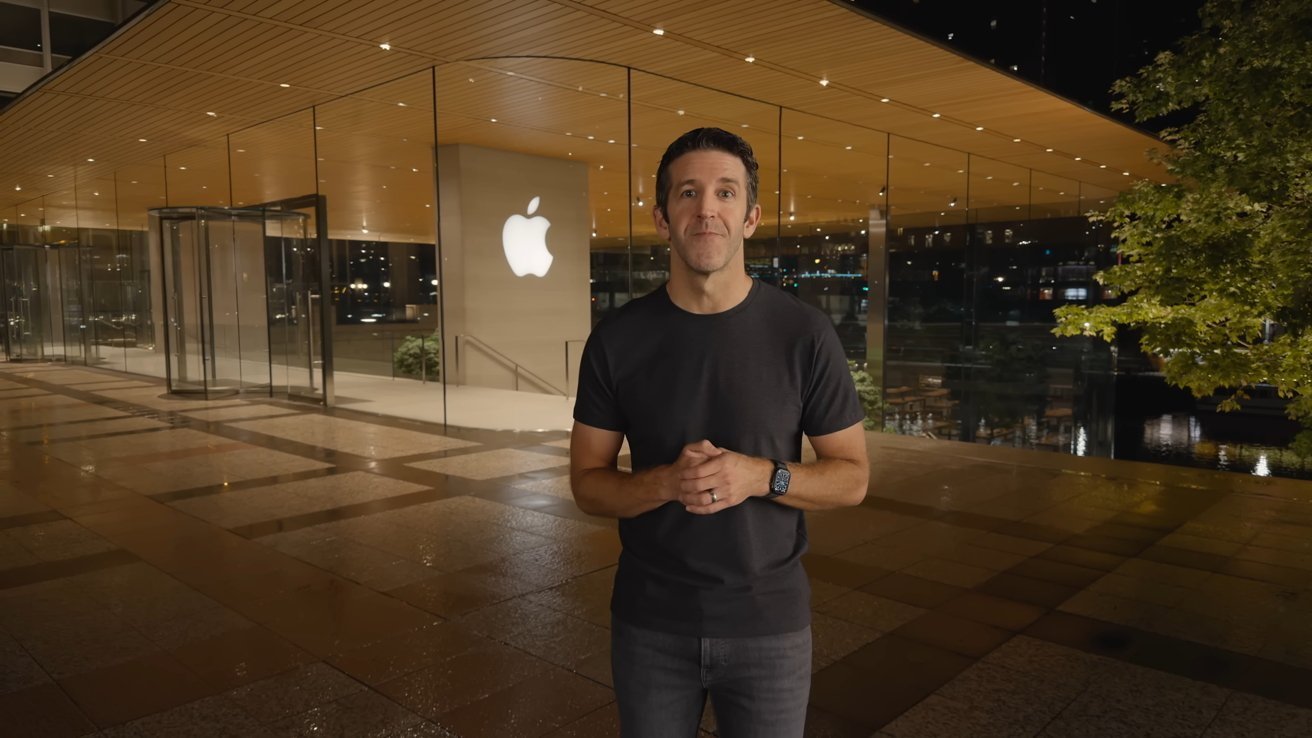
John Ternus outside of an Apple Store - Image Credit: Apple
His rise in the ranks continued in 2005, when he led a hardware engineering team working on G5-series iMacs.
It was also around this time that Ternus spent a lot of time working with suppliers and assemblers in Asia. This gave him experience in manufacturing, and understanding the hardships of pulling off Apple's designs.
The next major jump in his Apple career came in 2013, when he became a Vice President of Hardware Engineering in 2013, serving as a lieutenant to Dan Riccio, then head of hardware.
As part of his ascendance to the role, Ternus was given an even bigger remit. He was tasked with managing not only the Mac team, but also the iPad group too.
While he had to manage the iPad teams for quite a few years, his work on the product line actually goes further back. According to Apple's leadership description for Ternus, he had worked on every generation and model of iPad that has ever been released.
In one Bloomberg profile from March 2026, Ternus was apparently one of the driving forces for the creation of iPadOS. He argued that the iPad wasn't taking full advantage of the hardware's capabilities, because iOS wasn't able to take advantage of the bigger screen and more powerful processor.
This led to him persuading software chief Craig Federighi into building the iPad-specific operating system, complete with desktop-like multitasking functions. He also worked to add the Apple Pencil and magnetic charging and pairing systems as well.
In his time in the role, he also worked on other products, including the iPhone 12 and the AirPods line.
He was also influential in adding LiDAR to the Pro models of iPhone. According to a New York Times profile, he proposed limiting the reasonably expensive $40 component to the Pro versions, because they would normally be purchased by people who would be excited about technology, versus standard model owners who wouldn't necessarily care about it.
This wasn't out of the ordinary for Ternus, as he had frequently championed ideas that were unusual, but plausible. When the G5 iMac team were working on magnets to hold the glass screen in place, Ternus apparently worked to try and convert the skeptics.
He was also instrumental in the development and transition of the Mac lineup from Intel chips to Apple Silicon. As part of this, he took a prominent role in keynote presentations, detailing the shift to the in-house-designed chips, and in the interviews that ensued.
Becoming the hardware chief
In January 2021, Apple announced an executive shake-up impacting the hardware side of the business, that impacted Ternus directly.
Dan Riccio was to move out of his role as SVP of Hardware Engineering, in order to take on a new role as the VP of Engineering for a then-untitled "new project."
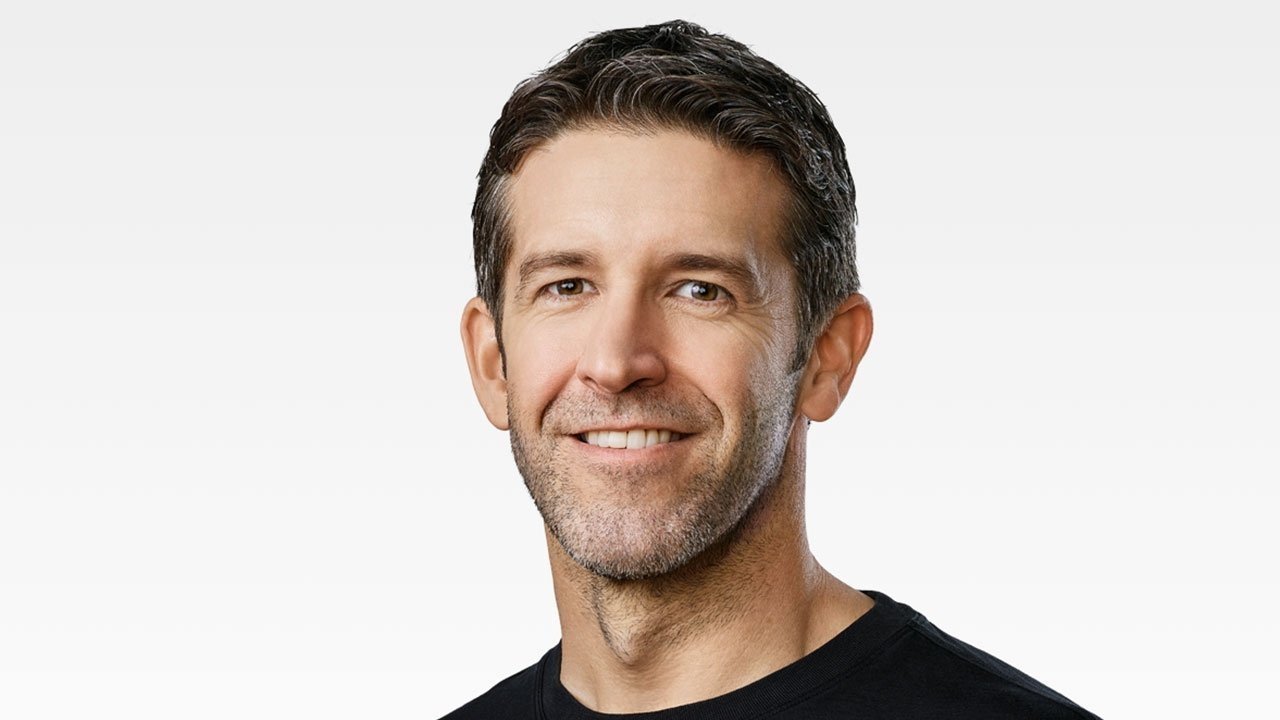
John Ternus from Apple's Leadership page - Image Credit: Apple
The move left a massive void that Ternus was selected to fill. He became SVP of Hardware Engineering, with Apple's Leadership page updated to include Ternus in the executive list in April the same year.
As the role demands, he is the leader of all hardware engineering at Apple, reporting directly to CEO Tim Cook.
This included expanding his already quite vast hardware remit to cover other teams in the field. That included the all-important iPhone teams, as well as his existing management of iPad, Mac, and AirPods teams.
Occasional strains
Not everything Ternus touches turns to gold, however. There have been some stumbles in his history that he has worked through.
Like the iPad changes, he was apparently a key proponent for the MacBook Pro Touch Bar. One source in March said that the idea was "shoehorned" in for its marketing potential, but it was later culled.
His push for the Butterfly Keyboard was also a big blunder, leading to complaints and lawsuits.
These blunders, as well as a Cook-style leaning to cutting costs over design-centric spending, led to his relationship with the Industrial Design Team being somewhat strained. Before Riccio left, some head designers tried to make Tang Tan be his successor instead.
When it comes to the HomePod, he apparently opposed the addition of a camera due to the potential increase in development costs. Ternus has at least taken some responsibility for Apple falling behind in the smart speaker category and is championing new home devices to catch up.
While he has a reputation for being personable in his management style, Ternus has occasionally gone in different directions.
The biggest was the Apple Vision Pro headset, and the discovery of a flaw that prevented low-latency audio from streaming to AirPods Pro, which was part of the initial pitch to consumers. The fix, however, was to ship an updated AirPods Pro at the end of 2023, just before the Apple Vision Pro's release.
The bigger problem was managerial, as Ternus apparently alienated some employees by trying to work out who was to blame, rather than trying to solve the problem at hand. March's profile does underline how this was an unusual incident for Ternus, given his usual managerial style.
Becoming more public
After becoming SVP, Ternus became more prominent in the public eye, because of his position. As the de facto figurehead for hardware at the company, he had to become more public-facing, and that meant talking to the media in interviews and more product hardware presentations.
One of his earliest after moving to the position was promotional interviews about the iPad Pro, which had been switched over to use the M1 chip for the first time. He insisted that it was the same quality of M1 chip as the Mac, claiming "iPad Pro has always had the best Apple Silicon we make."
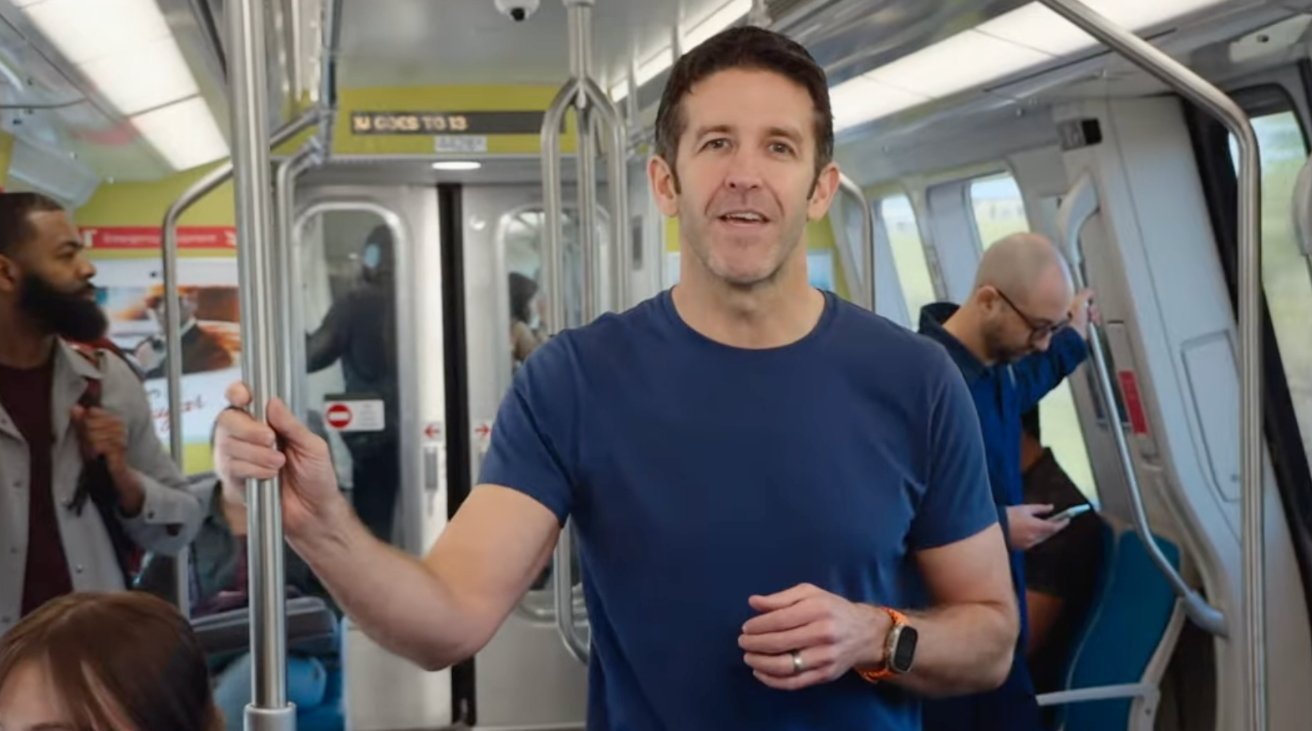
John Ternus on a fake railcar for one Apple Event - Image Credit: Apple
He then described Center Stage as being one of the favorite kind of features to make because "of the way it marries the hardware and software right." He also credited his team, saying "That's a lot of talented, creative people coming together and trying to find the thing that makes it Apple-like."
In another interview at the same time, he stuck to the company line about the iPad and Mac sides staying separate instead of merging. Apple wasn't going to get "caught up" in theories, he said, and that the company was pushing to make the best Mac and iPad it could.
Later that same year, he started to field questions about the MacBook Pro, confirming that Apple won't make a touch screen MacBook Pro. "We make the world's best touch computer on an iPad," he said, adding it was "optimized for that."
When the attention turned to an inbound EU law change on batteries and waste batteries in 2023, Ternus once more took to the floor to distance Apple away from claims it would introduce a removable back panel to the iPhone.
While he slightly danced around the topic, he showed Apple's intent was clearly to maintain the sealed device designs and not necessarily to enable easy user maintenance. He argued that you could make an internal component more maintainable by making it discrete and removable, "but that actually adds a potential point of failure."
A few months later, Ternus took to a TV interview about Apple Silicon, praising the choice as if "the laws of physics had changed." This was in reference to being able to build a MacBook Air with a minimal thickness, 18 hours of battery life, and performance comparable to a MacBook Pro.
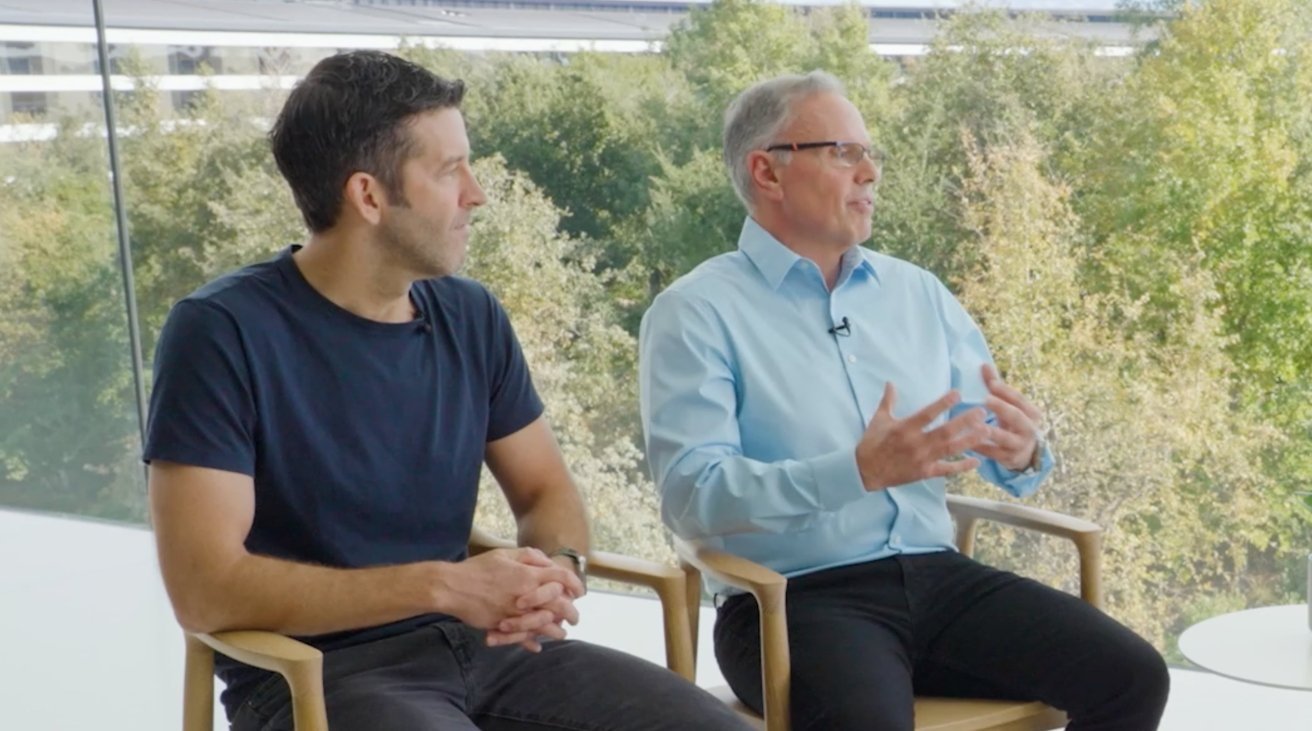
John Ternus [left] and Johny Srouji [right] in a 2023 interview - Image Credit: CNBC
He went on to talk alongside SVP of Hardware Technologies Johny Srouji, describing how the Apple Silicon change was prompted by a need to free the company from the constraints imposed by using other people's technologies. Ternus believed that one of the most profound changes in Apple's thinking in the previous 20 years was the shift to bring many of the technologies it uses in-house.
In mid-2024, he resurfaced in an interview promoting the expansion of Apple's self-repair programs to use parts-pairing. It's a technique that can allow for legitimate second-hand components to be used in repairs, while still blocking elements taken from stolen devices.
Ternus believed that "parts pairing" was used mostly with a negative connotation, that Apple apparently blocked third-party parts from working, which he insisted wasn't the case. Declaring parts paring as "not evil," it was really a case of Apple ensuring quality for consumers by knowing what module is being installed.
He also added that, in response to legislative changes, Apple wants to "make things more repairable," but also warned "Repairability in isolation is not always the best answer."
"The reality is repairability is a means to an end," he said. "The goal is to build products that last, and if you focus too much on [making every part repairable], you end up creating some unintended consequences that are worse for the consumer and worse for the planet."
One month later, Ternus was rolled out once more to talk about Apple's durability testing and policies. He also appeared during an Apple Event presentation, enthusing about iPad from a fake train carriage.
An expanded remit
While he has been SVP of Hardware Engineering for five years, his role hasn't been completely static. Beyond promoting the technical side of Apple's new product lines and everything that went into it, he was also given more work to do.
In April 2025, his existing remit was expanded considerably, thanks to the publicly embarrassing debacle that was the launch and rollout of Apple Intelligence. The delays in introducing new contextual features led to a reorganization of the way the AI and Machine Learning organization was led.
The ousting of John Giannandrea as the leader of Siri in favor of Apple Vision Pro chief Mike Rockwell was one change. The other was the move of the robotics team, previously under Giannandrea, to the hardware division itself.
While the fallout hasn't really made any real public waves as of yet, since Apple doesn't currently offer any robotics to the public, it does impact the development of products under that umbrella. The robotic arm smart home device mentioned previously would be one example.
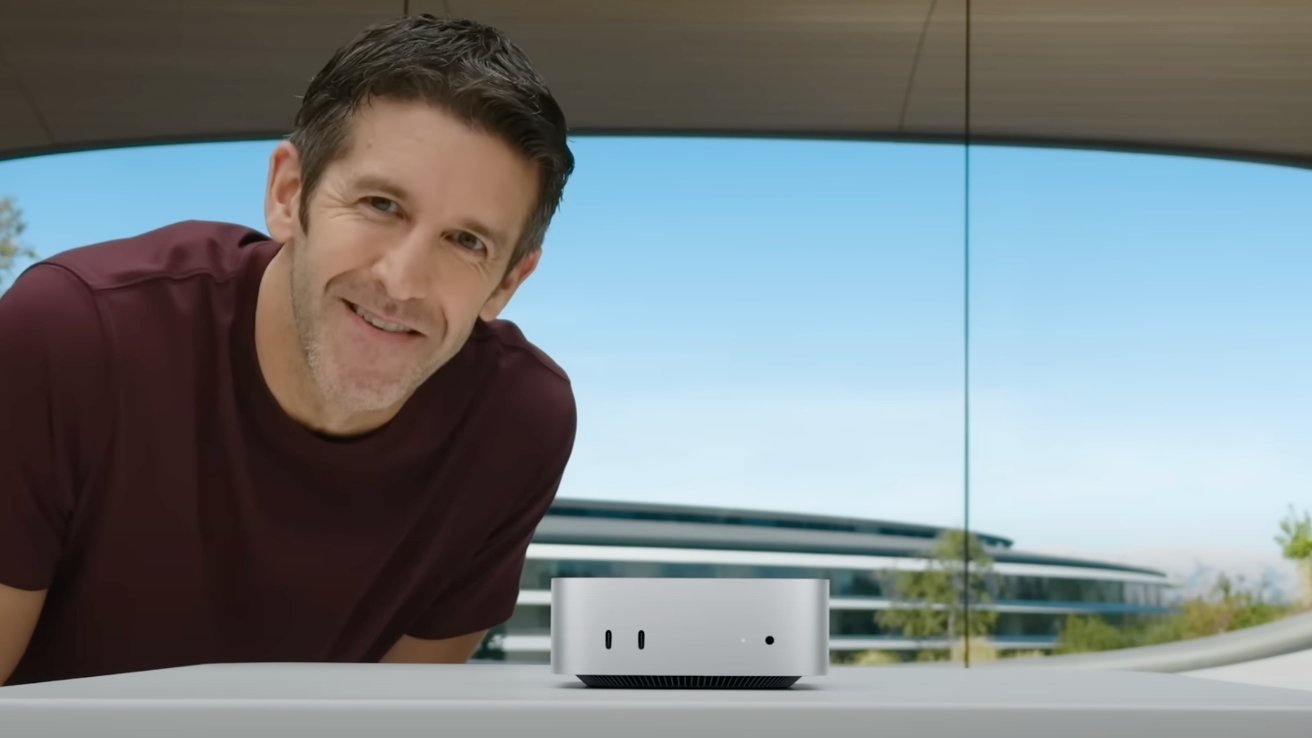
John Ternus introducing the new Mac mini - Image Credit: Apple
In January 2026, the amount of Apple Ternus had to manage grew even more, albeit in a somewhat quieter fashion. Previously handled by Jeff Williams when he was COO, the design team was bequeathed to Ternus by Cook.
However, he wasn't quite ordained as the actual head of design itself, like former Chief Design Officer Jony Ive. Instead, Ternus became the "executive sponsor" for design, with the teams still reporting to Cook.
In effect, Ternus had to handle design discussions during meetings of the executive team, across both hardware and software.
The additional workload was interesting due to the lack of public acknowledgment from Apple. It was theorized that a confirmation of Ternus working with design teams would be another indication that Ternus was a "rising star" within Apple, and would earmark him as a bigger candidate for the CEO role.
Even with Apple's apparent attempt to keep the change quiet, that didn't stop the reports about Ternus being a prime choice for Cook's eventual replacement.
A seemingly ideal candidate
When it comes to succession planning, the obvious places to look are at the top of the executive tree in most companies. That's similarly the case with Apple, but a few more factors come into play.
For a start, there is a need for the CEO to be relatively young, or at least able to stay in the role for quite a few years. With Cook in the top seat for over 14 years, and with co-founder Steve Jobs doing so for 11 years in his second term, there's a tendency for CEOs to be in position for about a decade.
Ternus is ideally aged, as at 50 years old, he has considerably more than a decade to go before retirement beckons. Not everyone at the top of Apple had that kind of advantage, as others in the top tier are not quite as young, and therefore aren't necessarily going to serve as long a term.
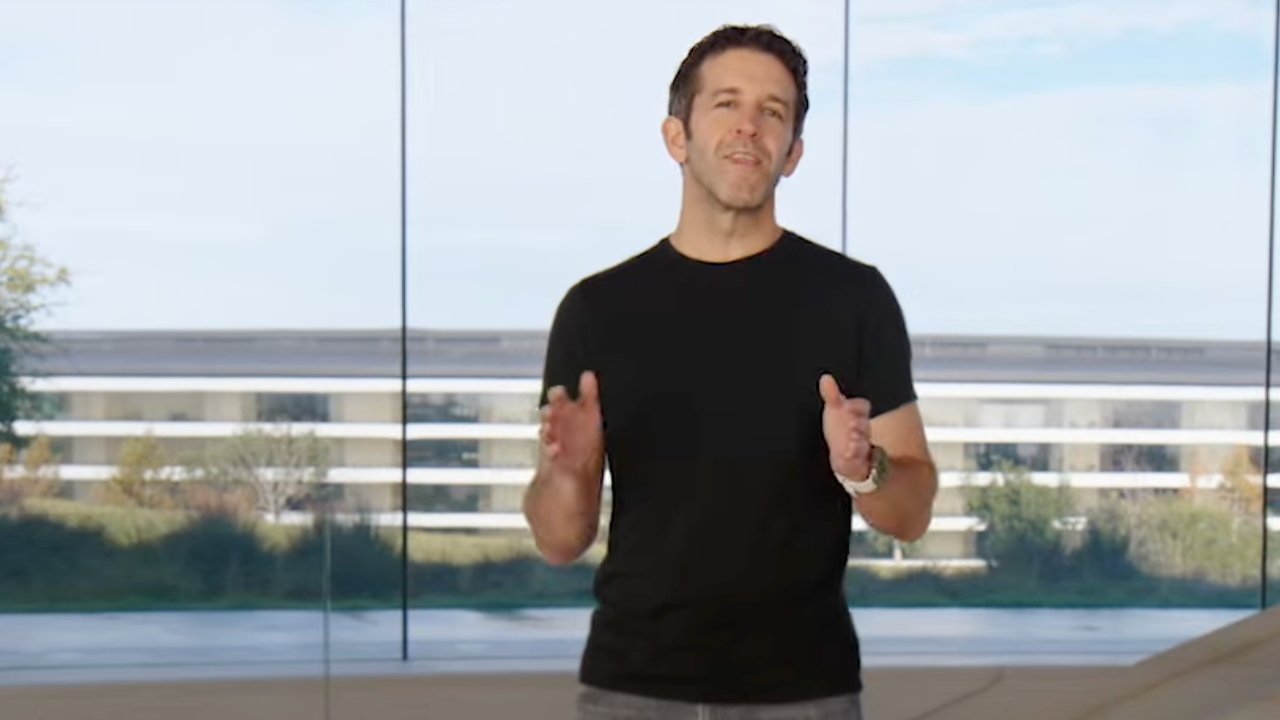
At 50, John Ternus is one of the younger members of the Apple executive team - Image Credit: Apple
There's also the question of awareness, as it is a very public role. It could be said that Apple has tried to make that less of an issue, as Ternus has appeared many times during Apple events.
He may not necessarily have the presence of software chief Craig Federighi, but Ternus has been visible.
Ternus also has a background that could signal a change of course for Apple as well. Jobs honed in on design, and Cook mastered the supply chains to grow Apple into a behemoth.
Adopting Ternus as CEO will be beneficial from the hardware and technology side, considering his history. With design and manufacturing already well developed, leaning toward developing new technologies would give the existing areas of expertise within the company something to work into new or evolved products.
There's also how Ternus is viewed within Apple itself. He already had the support of a lot of Apple's senior staff, who also viewed him as the probable and now next chief.
He's also functioning as a good communicator who empowers employees, which echoes the style of Cook.
As dynasties of this size require, Cook needed to name a successor well before his departure, to avoid rocking the boat too much with the transition.
As it stands, Ternus will be taking the role, and potentially stay in it long enough to properly grow as CEO.